7-day Latvia grand tour: Riga, Sigulda, Kuldīga, and Daugavpils by car
Guided tour to UNESCO Kuldīga town and Venta River waterfall
Duration: 8 hours
- Hotel pickup
- Small group
Why Latvia is one of Europe’s best road trip destinations
Latvia is compact — 300 kilometres from Riga to the eastern border, 200 kilometres from north to south. Seven days with a car covers the essential circuit: Riga’s UNESCO Old Town, the medieval Gauja valley, the UNESCO-listed town of Kuldīga in Courland, and the remarkable Daugavpils Fortress in the east. You return via Jūrmala for a last night by the Baltic Sea.
Latvia’s roads are good and almost completely uncrowded. Traffic jams exist only in Riga itself. Petrol is approximately €1.45/litre (2026 prices). Driving in Latvia is on the right, the speed limit is 50 in towns, 90 on regional roads, and 110 on the Via Baltica (A1). There are no toll roads.
Car hire from RIX: Hertz, Europcar, and Sixt are all available at the airport (€35–60/day for a compact car). Book in advance for summer. A GPS is built into modern hire cars; the Lithuanian border does not require any additional car insurance if hiring from a Latvian company.
Total estimated budget, 2 people, 7 days: €1100–1400 (car hire €250–350, hotels €80–120/night × 6 = €480–720, fuel €80–100, meals, tours, entry fees).
The route
Riga (Days 1–2) → Sigulda/Gauja/Cēsis (Day 3) → Kuldīga (Day 4) → Liepāja (Day 5) → Daugavpils (Day 6) → Jūrmala + return to Riga (Day 7)
Total driving: approximately 900 km over 7 days.
Day 1: Riga — Old Town
Arrive at RIX Airport, collect car, drive to hotel in Riga (15 minutes). Park in a paid car park (Old Town has no free parking; the Origo or Dzirnavu iela car parks are convenient at €2–3/hour or €10–15/day).
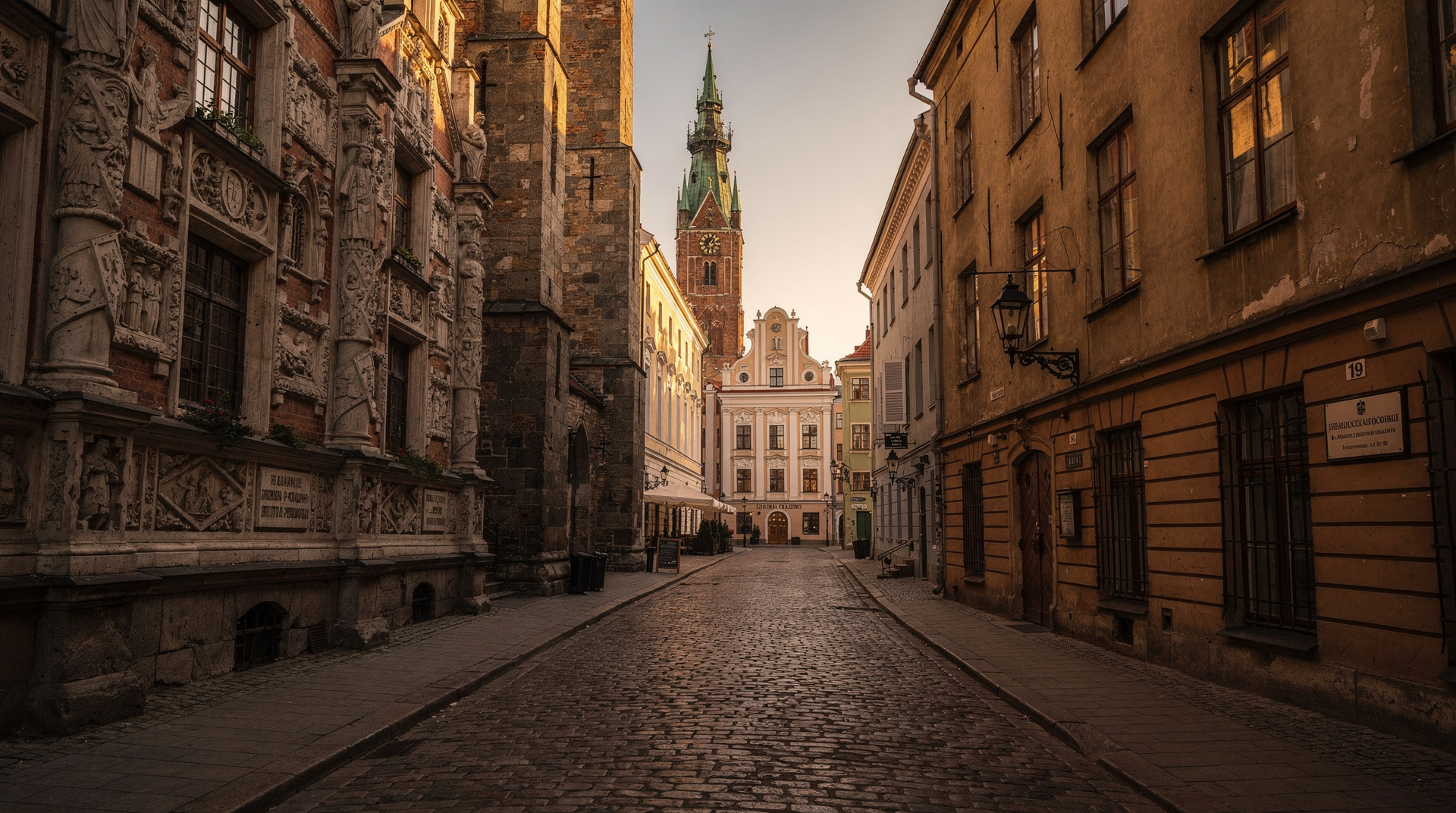
Morning: Guided Old Town walking tour (€22, 2 hours) — House of the Blackheads, Dome Cathedral, Three Brothers, Cat House. Pre-book the Blackheads entrance ticket (€7) for skip-the-queue access.
Afternoon: Canal and Daugava boat cruise (€18, 1 hour) — leave the car at the hotel and walk to the pier near the National Opera. St. Peter’s Church viewing platform (€9).
Evening: Folkklubs Ala Pagrabs (Peldu iela 19, traditional Latvian, mains €11–18). Riga Black Magic Bar for Black Balsam.
Day 2: Riga — Art Nouveau and surroundings
Morning: Tram or walk to Alberta iela. Art Nouveau history walking tour (€22, 2 hours). Art Nouveau Museum (€8). Walk through the Quiet Center.
Afternoon: Central Market (Centrāltirgus) — explore the five Zeppelin hangar pavilions independently. Museum of the Occupation of Latvia (free, 1.5 hours). Panorama Riga observation deck (€8).
Evening: Dinner at Vairāk Saules (Dzirnavu iela 60, mains €18–28, modern Latvian, book ahead). Last night in Riga.
Day 3: Riga → Sigulda → Cēsis
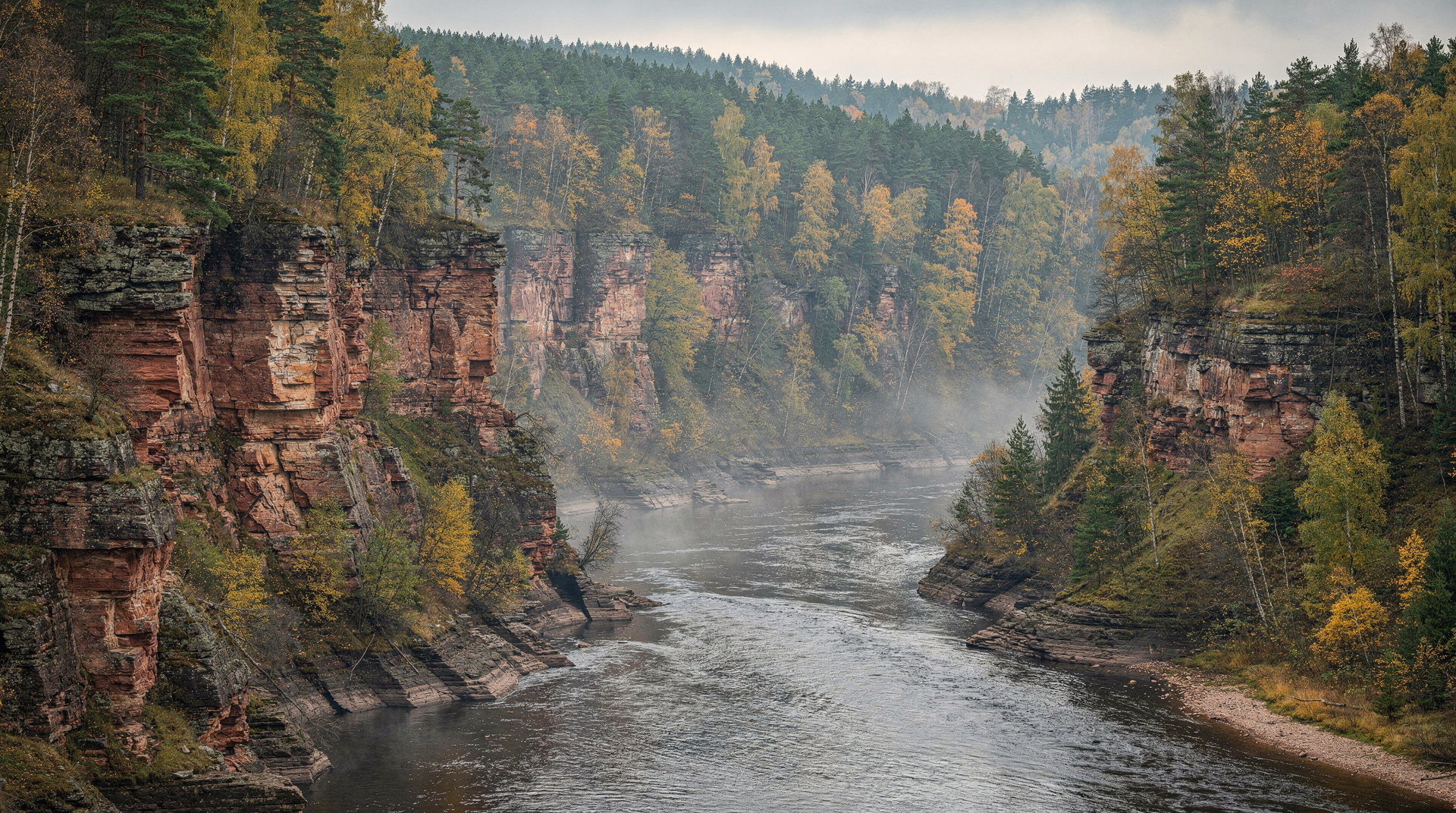
Drive: Riga to Sigulda: 53 km, A2 highway, 50 minutes. Free parking near Sigulda Castle.
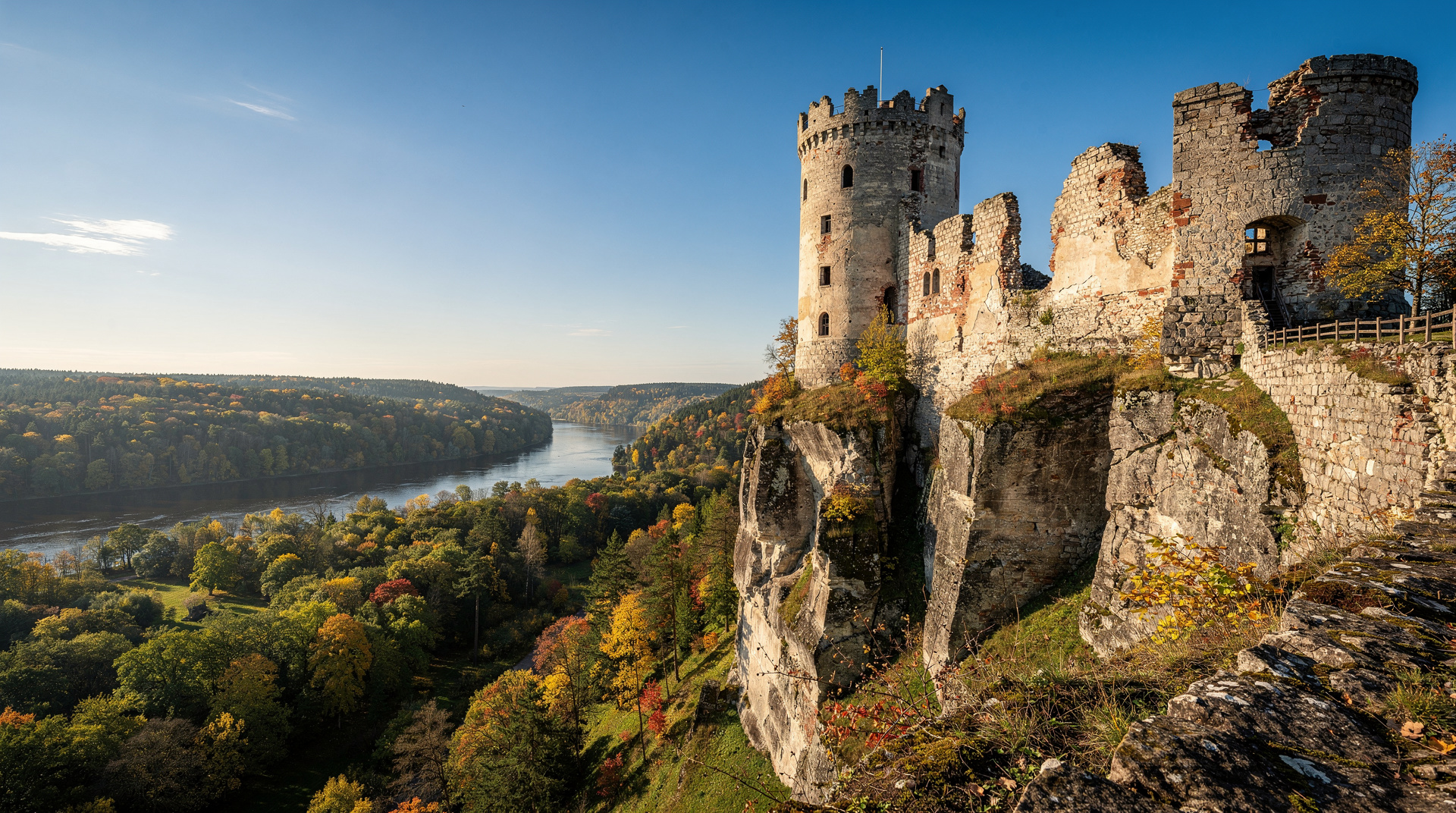
10:00 — Sigulda Castle ruins and new castle. The 13th-century Livonian Order castle ruins are free to enter. The adjacent new castle (19th-century neo-Gothic) is the municipality offices but visible from outside.
11:00 — Gūtmaņala Cave. 3 km drive from Sigulda centre. Latvia’s largest sandstone cave, with visitor inscriptions dating from 1668. Free entry, 20 minutes.
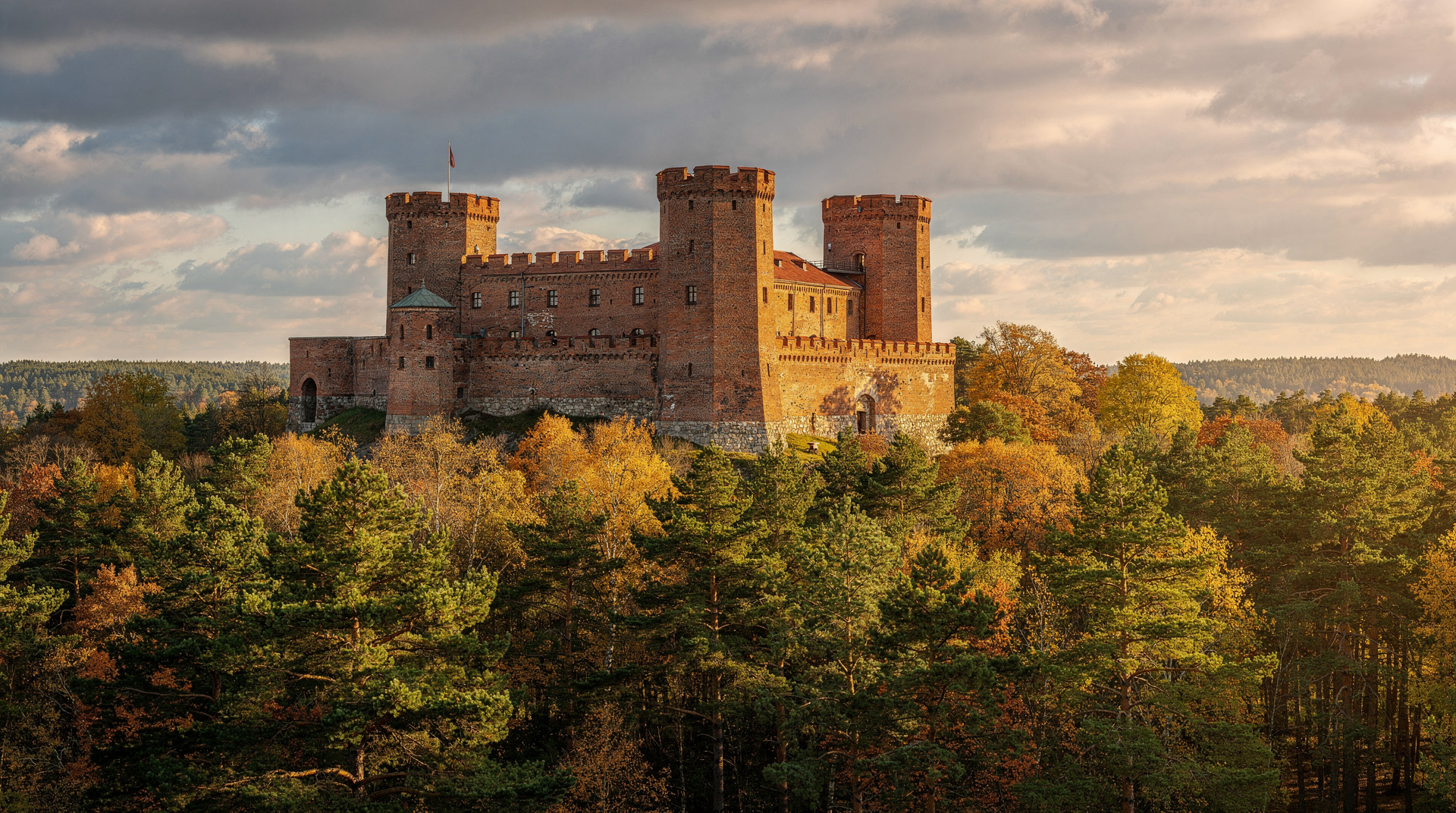
12:00 — Turaida Museum Reserve. 3 km from Gūtmaņala. Entry €7. The red brick castle with the best view over the Gauja valley. The rose garden and folk song monument are excellent in summer.
14:00 — Lunch at Aparjods (near Sigulda centre, Ventas iela, mains €12–18, Latvian food with outdoor terrace).
15:00 — Summer bobsleigh (April–September). If visiting in season, the summer bobsleigh on the Olympic track (€40–68) is one of the most unusual experiences in Latvia. Pre-book. The track is a 15-minute drive from Sigulda centre.
Drive to Cēsis: 35 km from Sigulda, 35 minutes. Stay overnight in Cēsis (Hotel Cēsis from €70, or Aparjods guesthouses from €60).
Evening in Cēsis: Walk the medieval old town (Rožu laukums/Rose Square, Kalns hill, 13th-century St. John’s Church exterior). Dinner at Cēsis Restaurant (Vienības laukums, mains €14–20).
Day 4: Cēsis → Kuldīga
Morning in Cēsis: Cēsis Castle Museum (€8, candle tour) — 2 hours. The candlelit medieval chambers are remarkable. Walk the Araisi Archaeological Park (3 km from centre, €4) if time allows — reconstructed medieval lake fortress on an island.
Drive: Cēsis to Kuldīga: 255 km via A2 (back through Riga bypass) and P98 south to A9 and west. Allow 3 hours with the Riga bypass. Or via smaller roads through Zemgale — longer but scenic.
Arrive Kuldīga by 16:00. Check in to accommodation (Jēkabpils Hotel or private guesthouses near Kuldīga centre, €55–85 double). Kuldīga has limited hotel options — book in advance.
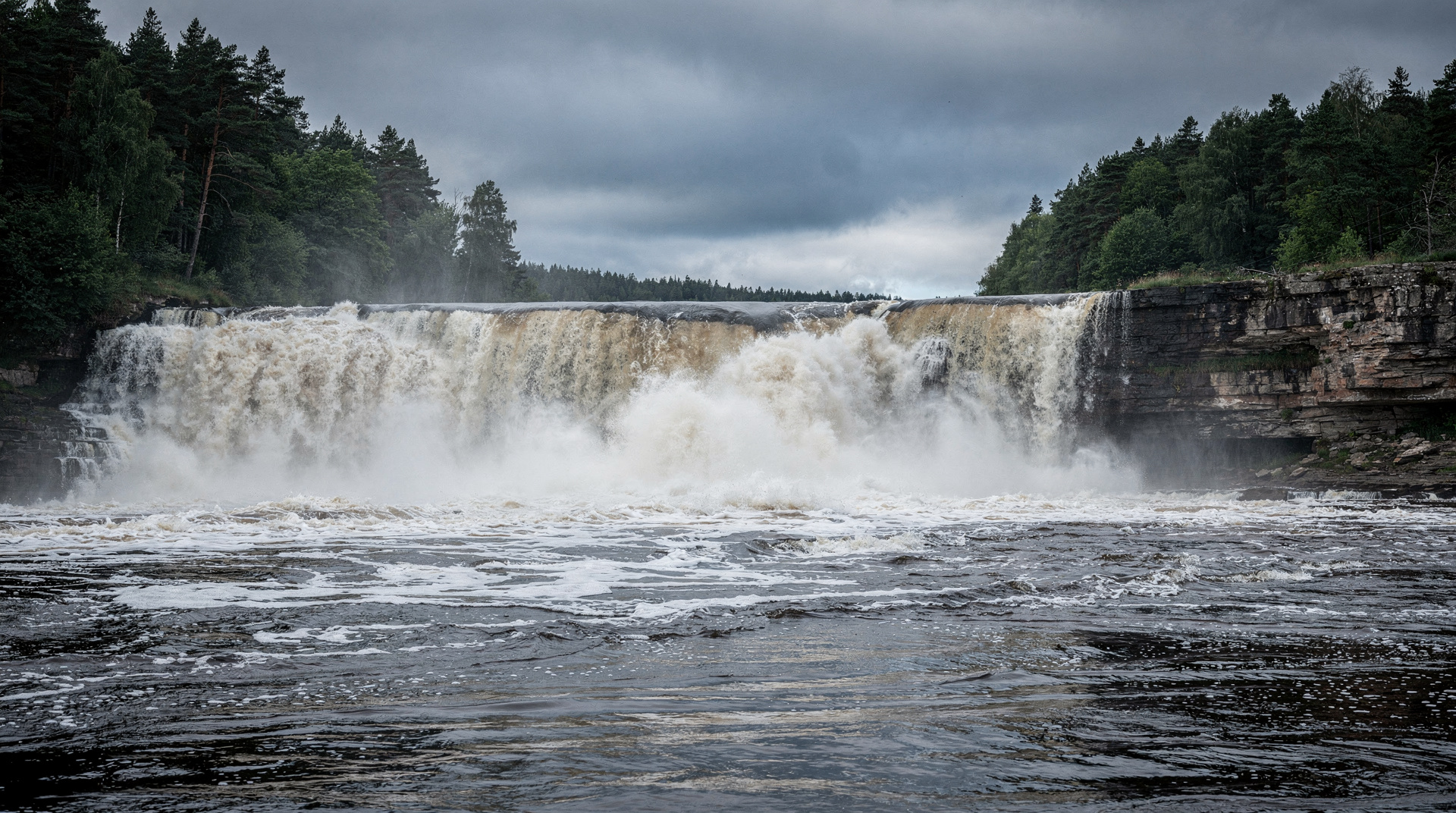
16:30 — First look at Kuldīga and Ventas Rumba. Walk to Ventas Rumba — the widest waterfall in Europe (249 metres wide, though only 1.8 metres tall). In spring (April–May), the sight of thousands of lampreys leaping up the waterfall to spawn is remarkable. In summer the waterfall is full but calmer. Free to see from the bridge.
Evening: Walk Kuldīga’s UNESCO-listed old town — cobbled streets, the 17th-century brick bridge (the oldest in Latvia), the Kuldīga town hall square. Dinner at Villa Paula (Baznīcas iela, mains €14–22, the best restaurant in Kuldīga, Latvian cuisine with a wine list).
Day 5: Kuldīga → Liepāja
Morning: The guided tour of UNESCO Kuldīga and Venta waterfall (€75, 8 hours from Riga — or book locally for a shorter version) is available for groups who want the full historical context. Alternatively, self-guide with the Kuldīga tourism map: the old town, Alekšupīte stream and the small waterfall (a fairy-tale urban waterfall running between houses), the church on the hill, and the Kuldīga District Museum (€3, history from the Livonian Order to the present).
Drive: Kuldīga to Liepāja: 90 km south on A9 and P119. 1 hour.
Arrive Liepāja by 14:00. Liepāja is Latvia’s third city and the cultural capital of Courland — a port city with a significant naval history, a long sandy beach, and some of the best live music in Latvia (the city is known as the rock capital of Latvia). Karosta (Naval Fortress): the abandoned Tsarist-era naval port at the northern edge of Liepāja has a remarkable but eerie ghost town quality — enormous brick naval barracks, a decommissioned submarine, Orthodox church. Self-guided walking (free) or guided tours available.
Beach: Liepāja’s beach is one of the best in Latvia — wide, clean, open to the full Baltic. Swimming from late June to August.
Stay in Liepāja (Fontaine Hotel from €80, or Amrita Hotel from €95 — both are good mid-range options).
Evening: Dinner at ROZE (Rožu laukums, mains €15–22, one of the best restaurants in western Latvia, seasonal menu). The live music scene on Liepāja’s pedestrian street (Zivju iela) is active on summer evenings.
Day 6: Liepāja → Daugavpils
Drive: Liepāja to Daugavpils: 320 km via A9, A5, and A6 east across Latvia. This is the longest driving day — allow 4 hours. Break at Rīgas Centrālā Tirgus petrol station or a roadside café.
Arrive Daugavpils by 14:00. Daugavpils is Latvia’s second largest city — a Russian-speaking city in eastern Latvia with a distinctive identity, the only significant city in Latgale. It is undervisited and genuinely interesting.
14:30 — Mark Rothko Art Centre. Rothko (born Markus Rotkovičs in Daugavpils, 1903) is the city’s most famous son. The Mark Rothko Art Centre (Mākslas iela 3, €7, closed Monday) has a permanent collection of Rothko works and excellent temporary exhibitions in a beautifully converted artillery building within the fortress complex. 1.5 hours.
16:00 — Daugavpils Fortress. The 19th-century fortress (built 1810–1833, the most intact Napoleon-era fortress in Europe still in original use) is extraordinary. The Daugavpils Fortress audio tour (€10, at your own pace) covers the full fortress complex including the Rothko centre, the Orthodox church within the walls, and the military history museum. Allow 2–3 hours.
Stay in Daugavpils (Hotel Dinaburg from €65, centrally located near the pedestrian street). Dinner at Gubernators (Lāčplēša iela 10, mains €12–18, the best restaurant in Daugavpils).
Day 7: Daugavpils → Jūrmala → Riga
Morning in Daugavpils: Walk the city’s remarkable multi-cultural religious architecture on a single street — Roman Catholic, Russian Orthodox, and Lutheran churches within 500 metres of each other, reflecting Daugavpils’s mixed Russian/Latvian/Polish/Jewish history.
Drive: Daugavpils to Jūrmala: 280 km via A6 west to Riga, then southwest via Rīga bypass. Allow 3.5 hours. Arrive Jūrmala by lunch.
13:00 — Jūrmala: Train the car at the Majori parking area (€5 for the day) and walk to the beach via Jomas iela. Lunch at one of the beach cafés (€15–22 for a main). Walk the wooden villa architecture streets (Turaidas iela, Pilsoņu iela).
15:00 — Beach. The last afternoon at the Baltic Sea.
17:00 — Drive to Riga. 30 minutes to the city centre. Return the hire car to the airport (RIX) if departing next morning, or keep it for city parking tonight.
Evening: Last dinner in Riga. Folkklubs Ala Pagrabs for nostalgia and Latvian beer (mains €11–18). Or Vincents (Elizabetes iela 19, fine dining, €35–55) for the best send-off.
Practical car trip notes
Fuel: Petrol stations are common along all main roads. The Via Baltica (A1/E67) has modern fuel stops every 30–50 km. Smaller regional roads may have gaps — fill up before leaving Riga or Kuldīga.
Parking: Paid parking in Riga city centre (€2–3/hour). Free or very cheap in all other cities (Kuldīga, Cēsis, Daugavpils — essentially no parking charges).
Road quality: Main highways (A1, A2, A6, A9) are good. Regional roads (P-series) are adequate but can be rough. Gravel roads exist in rural areas.
Winter driving: If visiting November–March, winter tyres are legally required in Latvia from December 1. All hire cars will have them.
Border crossings: Driving from Latvia to Lithuania (for Hill of Crosses) or Estonia (for Tallinn) requires no special documentation with EU/Schengen. Keep your driving licence and car rental agreement accessible.
Where to stay per city
- Riga: Wellton Old Riga Palace (from €100), Pullman Riga Old Town (from €130)
- Cēsis: Hotel Cēsis (from €70), Aparjods guesthouse (from €60)
- Kuldīga: Local guesthouses (from €55), Kuldīga Historic Hotel (from €75)
- Liepāja: Fontaine Hotel (from €80), Amrita Hotel (from €95)
- Daugavpils: Hotel Dinaburg (from €65)
Honest tips for the Latvia grand tour
- Book hotels in Kuldīga 2–3 weeks in advance in summer. It is a small town with limited accommodation — the best guesthouses fill quickly.
- The Daugavpils-Riga drive is long. Breaking it via Jēkabpils or doing it in stages is valid if you are not a fan of long driving days.
- Liepāja is often skipped by tourists — don’t skip it. Karosta, the beach, and the rock music scene make it one of Latvia’s most characterful cities.
- Fill the fuel tank in Kuldīga. The road from Kuldīga to Liepāja passes through very small villages with no petrol stations.
- The summer bobsleigh at Sigulda requires advance booking. Check dates in spring before planning the itinerary around it.
- Daugavpils is Russian-speaking. Most locals speak Russian rather than English or Latvian as their first language. This is unusual for Latvia. Basic tourist services work in English; Google Translate fills the gaps.
- Ventas Rumba is best in April–May. The lamprey migration and higher spring water levels make the waterfall most impressive. Summer is still good but lower water.
Frequently asked questions
Do I need a car for this Latvia itinerary?
Yes, for this specific grand tour itinerary. Kuldīga and Liepāja are not practically reachable by public transport from Riga as day trips. Daugavpils is reachable by train (3.5 hours) but then requires a car for the fortress. If you do not want to drive, the 5-day Riga with day trips itinerary covers the best sites by train.
Is renting a car in Riga expensive?
Compact car hire starts at €35–45/day from the major companies at RIX. For 7 days that is €245–315 before fuel. Book in advance (4–8 weeks for summer) for the best rates. Full insurance coverage is recommended — basic insurance from hire companies has high excess amounts.
Is Latvia a good road trip country?
Excellent. Roads are good, traffic is negligible outside Riga, parking is cheap or free outside the capital, and the distances between major sites are manageable. The landscape — forests, rivers, Baltic coast, medieval towns — is consistently beautiful without requiring major detours.
Can I cross into Lithuania or Estonia with a Latvian hire car?
Yes. All three Baltic states are EU/Schengen members. Latvia-based hire cars from reputable companies (Hertz, Europcar, Sixt) include Baltic cross-border coverage as standard. Check the rental agreement to confirm.
What is the driving distance on the full grand tour circuit?
The full Riga → Sigulda → Cēsis → Kuldīga → Liepāja → Daugavpils → Jūrmala → Riga circuit is approximately 900 km. Spread over 7 days, that averages 130 km per driving day — very manageable. The longest single drive is the Liepāja-to-Daugavpils leg (320 km), which should be broken with a roadside stop.
What are the must-buy souvenirs in Latvia?
On a 7-day road trip you will pass through the best souvenir shopping opportunities in Latvia. Top picks: Riga Black Balsam (half-litre, €8 at Rimi); Laima chocolate (Latvia’s national chocolate brand, sold everywhere); Latvian amber jewellery (best at Jūrmala market or Riga Old Town); linen products (handmade linen from Kuldīga market); locally made Latvian ceramics and wooden crafts from the Ethnographic Museum shop or Āgenskalns market.
Planning your Latvia road trip in 2026
Latvia’s tourism infrastructure has improved substantially since 2020. Most accommodation now accepts card payment. Petrol stations on main routes are open 24 hours. English is spoken by younger people in all tourist-facing roles throughout the country.
However, a few planning notes remain relevant for 2026:
Kuldīga specifically: The UNESCO listing (2023) has increased visitor numbers significantly. Book accommodation in Kuldīga 3–4 weeks ahead in summer (June–August). The town’s guesthouses are small and fill quickly. The alternative is staying in Saldus (15 km east) if Kuldīga is full.
Daugavpils border proximity: Daugavpils is 30 km from the Latvian–Lithuanian border and 30 km from the Latvian–Belarusian border. There are no practical tourist implications — the city is a normal Latvian city — but the Russian-speaking character and the sense of distance from Riga give Daugavpils a frontier quality that is part of its distinctive atmosphere.
Speed cameras: Latvia has average speed cameras on several main routes (A1, A2, A6). These are clearly signed. The fines for speeding are substantial and applied to hire cars via the rental company. Drive at the speed limit on highways (110 km/h) and do not assume rural roads with no traffic are unmonitored.
Navigation: Google Maps works excellently in Latvia. Download the offline Latvia map before leaving Riga in case of rural areas with poor mobile signal (the Latvian interior, particularly east of Cēsis, has patchy coverage).
For comprehensive transport information including train schedules and bus routes across Latvia, see our car rental in Riga guide.
Top experiences
Bookable activities with verified prices and instant confirmation on GetYourGuide.
Riga: guided Old Town walking tour
- Free cancellation
- Small group
- English guide
From Riga: Cēsis, Sigulda and Turaida Castle tour
- Hotel pickup
- Free cancellation
- Best seller
Guided tour to UNESCO Kuldīga town and Venta River waterfall
- Hotel pickup
- Small group
Audio tour of Daugavpils Fortress
- Self-guided
- Audio guide