Riga cafes and bakeries by neighbourhood: the honest guide
Where is the best coffee in Riga?
Rocket Bean Roastery (Krišjāņa Barona iela, near Miera iela) is the best specialty coffee roaster in Riga with several city-centre locations. Innocent café (multiple Old Town locations) is the most reliable for good coffee within Old Town. Double Coffee is the most widespread chain with consistent quality.
Old Town (Vecrīga): coffee and cake, watch the tourists
The Old Town has cafes, but most of them are oriented toward the tourist trade — which means reasonable quality at a location premium and a rotation of visitors who are not coming back. The exceptions are worth knowing.
Innocent café (Jauniela 11 and other Old Town locations) is consistently the best café in Old Town proper. Good pour-over coffee, honest pastries (including decent croissants and the Latvian sweet breads), fair prices (a flat white and a pastry under €7). The location on Jauniela is small and often full — the other locations have more space.
Café 3 Rooms (Brīvības bulvāris, near the Freedom Monument) — not strictly in Old Town but on the border. Good coffee, a pleasant interior with high ceilings, and a reliable kitchen for breakfast and light lunch. The outdoor terrace fills in summer.
Chocolat (Brīvības bulvāris 36) — a Latvian chocolate and café chain. Good hot chocolate, decent coffee, and an extensive display of their own-made chocolates. The hot chocolate with whipped cream is genuinely good on a cold day.
What to avoid: the cafes with street tables directly on Cathedral Square and Town Hall Square. They charge a significant location premium (coffee €4–5 versus €2.50–3.50 at comparable places one street away) and the view is not worth the uplift.
New Town (Jūgendstila kvartāls and Quiet Center)
The Art Nouveau district and the surrounding New Town streets have the best café culture in Riga, particularly the cluster around Miera iela and the Bergs Bazaar area.
Rocket Bean Roastery (Krišjāņa Barona iela 31 and several other locations) is the best specialty coffee operation in Riga. They roast their own beans, train their baristas seriously, and produce excellent espresso drinks and filter coffee. The Barona iela location is the original and most atmospheric, in a converted warehouse space. A flat white is around €3–3.50. They also sell bags of their roasted beans for excellent souvenir value (€8–15 per 200g).
Gardēdis (Barona iela 21) — a Latvian café and restaurant with a serious approach to seasonal ingredients. Good coffee, excellent open sandwiches on dark rye bread, the kind of place where you can have a proper breakfast and linger over good food without feeling rushed or tourist-processed.
Kalku Varti (off Elizabetes iela, in the Bergs Bazaar area) — attached to the Bergs complex, this café serves excellent coffee and breakfast in a refined courtyard setting. Good for a breakfast meeting or a slow morning read.
Hesburger and competing quick options along Elizabetes iela cater to the lunchtime commuter trade and are not the most interesting options, but they are reliable and quick for budget travellers.
Join the cultural and food walking tour covering Old Town and New Town (€55)Miera iela: the café street
Miera iela deserves its own section. It is about 15 minutes walk from Old Town (or 5 minutes Bolt) in the Avoti neighbourhood, and it is where Riga’s café culture has developed most organically over the past decade.
Kofi Tēja (Miera iela 46) — a favourite neighbourhood café with a long menu of coffee drinks and teas, good pastries and light food, a pleasant terrace in summer. The kind of place where regulars have their corner table.
Artisan bakeries on Miera iela — several small independent bakeries have opened on this street in recent years. Look for locally baked sourdough, good croissants, and the distinctly Latvian kanēļmaizīte (cinnamon roll with cardamom, different from the Scandinavian version and worth comparing).
VALMIERA Glass café (Miera iela, varies by season) — a design-forward café occupying different spaces over time; check current location if visiting. Good coffee and a commitment to Latvian-made design objects.
The Central Market: coffee and the canteen
The Central Market area has its own food culture, best experienced early in the morning before the tourist crowds arrive.
Market canteen — inside the main market building, a steam-table canteen serves strong coffee (the Soviet-style variant: dark, slightly bitter, in small glasses) for €0.80–1.20. It is not specialty coffee; it is the kind of coffee that goes with the smoked fish and rye bread sold outside. Authentic and cheap.
Coffee kiosks near the market entrances — several vendors around the Central Market periphery sell takeaway coffee at lower prices than Old Town (€1.50–2.50 for an espresso or Americano). Quality is variable but generally acceptable for a market morning coffee.
Āgenskalns and Pārdaugava: the local neighbourhood
The left-bank neighbourhoods — Āgenskalns, Torņakalns, the area around Kalnciema iela — are where Riga’s younger residents have increasingly settled, and a neighbourhood café culture has followed.
Kalnciema kvartāls cafes — the restored wooden building complex on Kalnciema iela has several small cafes that come to life on Saturday mornings when the market is running. Good coffee, Latvian pastries, relaxed outdoor seating.
Neighbourhood bakeries in Āgenskalns — the wooden residential streets of Āgenskalns have small local bakeries that produce traditional bread for the neighbourhood. Finding them requires exploration; they do not advertise strongly to visitors. Worth an afternoon wandering if you are crossing the river.
What to order in a Latvian bakery
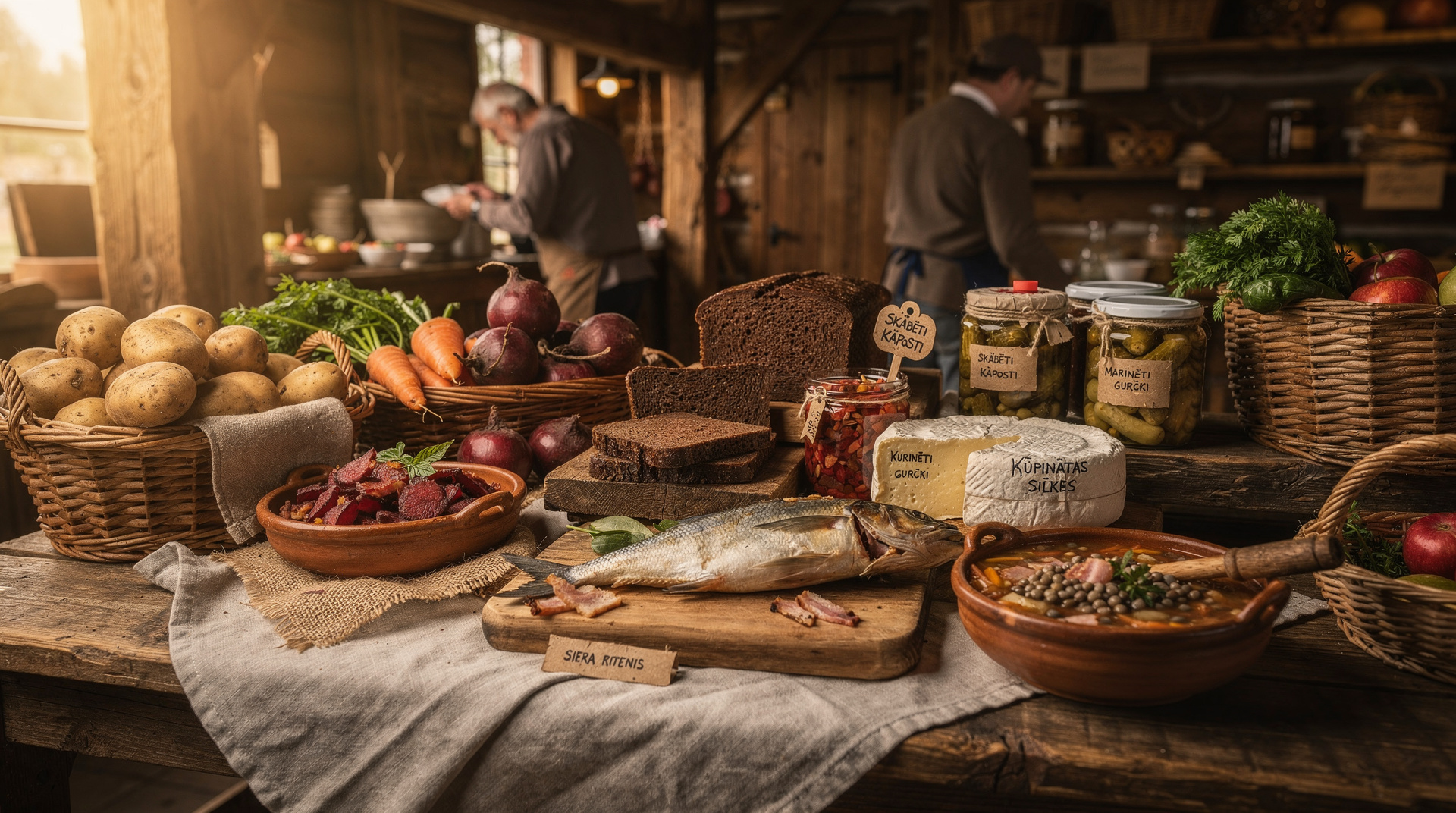
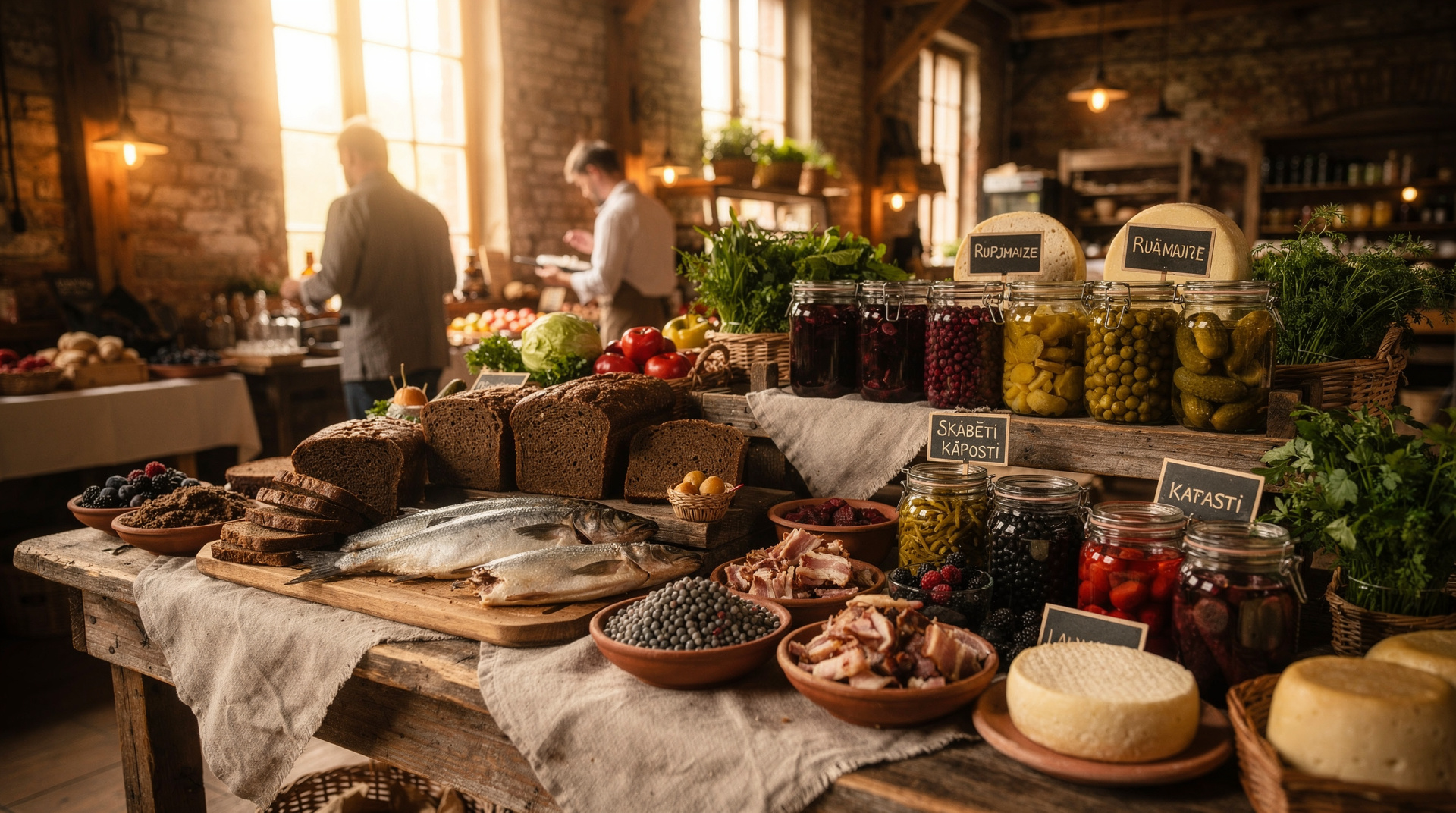
Rupjmaize (dark rye bread) — the staple. See our rye bread guide.
Kliņģeris — an enriched yeast bread in a pretzel or braided form, often flavoured with caraway, anise, or saffron. Eaten at celebrations (Jāņi, Christmas, Easter) but also available year-round in bakeries. Sweet-savoury, distinctive.
Biezpiena pīrādziņi (cottage cheese pastries) — small baked pastries filled with sweetened fresh cottage cheese (biezpiens). Different from the savoury pīrāgi with bacon; lighter and appropriate for breakfast.
Sklandrausis — a traditional pastry from the Kurzeme region: a short-pastry tart filled with mashed carrots and caraway. One of the most distinctly Latvian pastries; not always available but worth trying when you find it. Protected designation of origin status in the EU since 2013.
Kanēļmaizīte (cinnamon bun) — a softer, slightly richer version than the Scandinavian kanelbulle, typically with more cardamom. Available everywhere; quality varies significantly. The best are from artisan bakeries rather than chain operations.
For the broader food and restaurant picture in Riga, see our guide to restaurants where locals eat and our guide to Riga coffee culture and best roasters.
Seasonal café culture across the year
Riga’s café culture shifts markedly with the seasons — a function of the extreme climate and the very long days in summer versus very short days in winter.
Summer (June–August). The Baltic summer is exceptional for outdoor café culture. Sunset after 22:30 at the solstice means evening terraces stay comfortable until very late. Miera iela fills up on warm evenings from around 18:00; the Bastejkalns canal park area has informal seating spots with cold drink kiosks. Iced coffee is available everywhere and tends to be good quality at the specialty cafes. Cold kvass (fermented rye drink, about 0.5% ABV) from the kiosks that appear throughout Riga in June–August is one of the most refreshing non-coffee summer drinks.
Autumn (September–October). A café season in its own right. The October light in Riga — low, golden, with coloured foliage in the canal parks — is beautiful, and the temperature is mild enough for outdoor sitting until mid-October. Seasonal pastry menus appear with apple-based items, mushroom-topped savoury pastries, and warming spiced drinks. Fewer tourists, better table availability.
Winter (November–February). The short days (sunrise after 09:00 in December, sunset before 16:00) make cafes the primary refuge for sociability. Hot chocolate, Balsam coffee, mulled wine (at the December Christmas market stalls), and herbal teas dominate orders. The interior of Rocket Bean Roastery and Innocent café become genuinely busy and warm social spaces. The Christmas market on Cathedral Square has several hot-drink stands that function as seasonal outdoor cafes.
Spring (March–May). Cafes begin putting out terrace chairs tentatively from April and fully by mid-May. Spring menus introduce lighter pastries, fresh dairy-based items, and the first seasonal produce. The Art Nouveau route is particularly good for spring café stops — Elizabetes iela cafes open terraces as early as the weather allows.
Café etiquette in Riga
A few practical notes that make café experiences smoother:
Order at the counter in specialty cafes. Many Riga specialty cafes — including most Rocket Bean locations — use a counter-order model rather than table service. You order and pay at the counter, take a number or a glass, and your order is brought to your table. This is not a sign of poor service; it is the standard format.
Tipping is not required. Latvian café culture does not have a strong tipping tradition for counter service. At sit-down service restaurants and cafes, rounding up or leaving small change is normal; a 10% tip for exceptional table service is appropriate.
Wifi is generally good. Most cafes in Riga offer free wifi and are comfortable working environments. The specialty cafes are generally tolerant of laptop workers during off-peak hours (not weekend brunch rush).
Cash is still needed at some places. Most cafes now accept cards, but smaller neighbourhood bakeries and market vendors are often cash-preferred. Keep €5–10 in small denominations.
Frequently asked questions about Riga cafes and bakeries
Is specialty coffee a big thing in Riga?
More than most visitors expect. Latvia’s coffee culture developed significantly after 2010, partly influenced by Scandinavian coffee trends. Rocket Bean Roastery is genuinely respected within the European specialty coffee community. The Miera iela area has several cafes that take coffee seriously.
What should I look for in a Latvian bakery?
Dark rye bread (rupjmaize), cinnamon rolls with cardamom (kanēļmaizītes), cottage cheese pastries (biezpiena pīrādziņi), and kliņģeris — a traditional enriched pastry. These are genuinely distinctive Latvian items not widely available outside the country.
Are cafes in Riga expensive?
Coffee runs €2–4 for an espresso or flat white. Pastries typically €2–4. A café breakfast (coffee, juice, pastry) runs €7–14. Old Town cafes charge a location premium of 20–30% versus comparable quality on Miera iela or Elizabetes iela.
What time do Riga cafes open?
Most good cafes open between 08:00 and 09:00 on weekdays. Weekend opening is often 09:00–10:00. The Central Market opens at 07:00 and the canteen/food vendors there are the earliest morning option.
For the food tour options that connect cafes and food culture in a single guided experience, see our best food tours in Riga compared. For the full picture on Riga restaurants and where to eat, see our restaurants where locals eat guide.
Latvian bakery products: a field guide
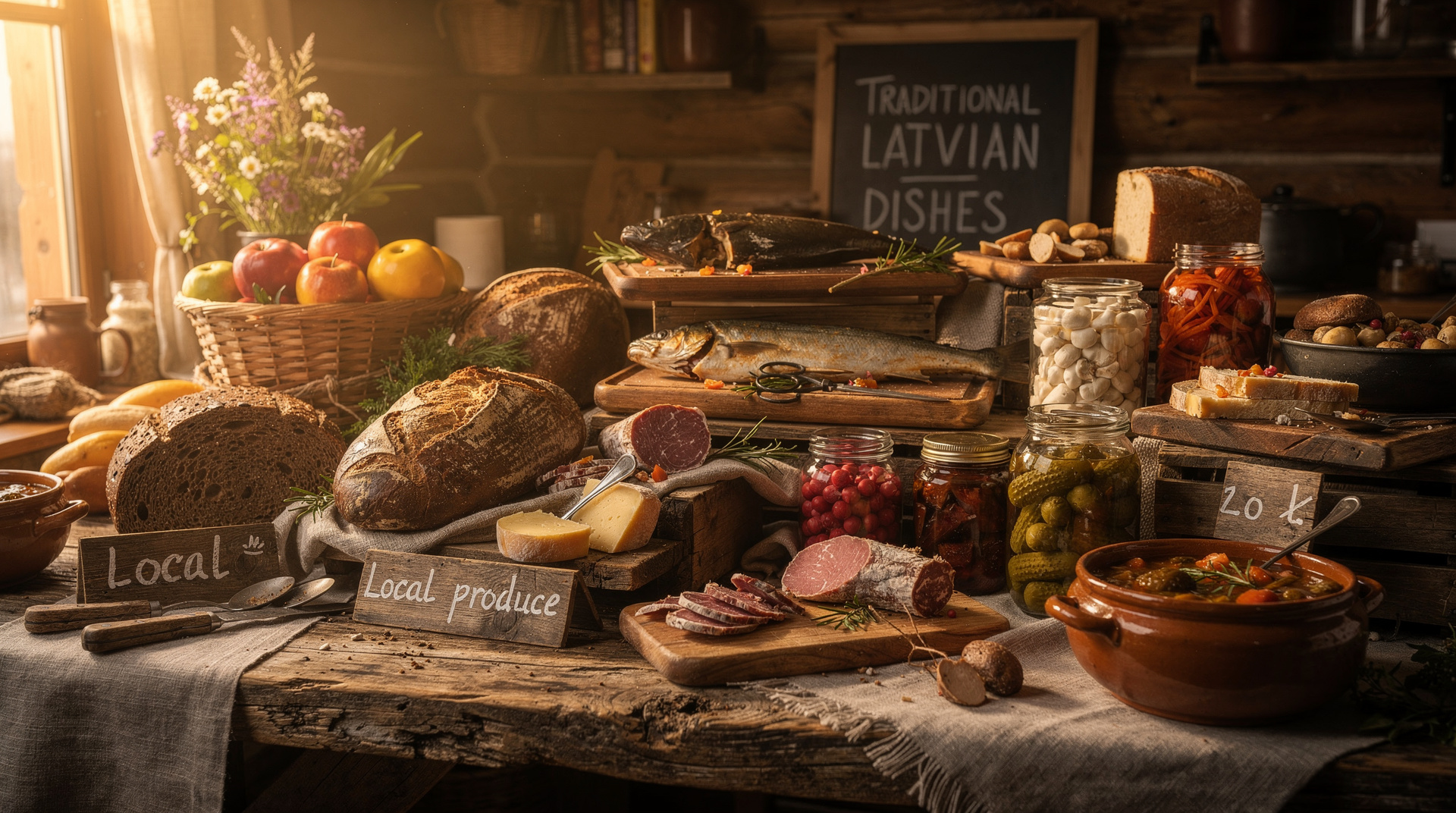
Walking through Riga’s bakeries without knowing what to look for means walking past some of the most specifically Latvian food products available in the city. A brief guide to the key items:
Rupjmaize (dark rye bread). The staple. Ranges from lightly sour and moist (the everyday domestic loaf) to intensely sour, very dense, and almost black (the traditional style from craft bakers). At a good bakery or the Central Market bread stall, the sourdough rye is genuinely exceptional. Buy a half-loaf (€1.50–2.50) and eat it with Latvian butter and smoked fish the same day for the correct context.
Saldskābmaize (sweet-sour rye bread). A lighter, slightly sweeter variant of dark rye — the addition of a small amount of malt syrup and sometimes caraway seeds creates a more accessible flavour profile. Often sliced and served with cultured dairy or honey.
Kanēļmaizītes (cinnamon rolls). Latvian cinnamon rolls have more cardamom and less sweetness than the Scandinavian kanelbulle. They are typically smaller, with a denser, chewier dough and a higher spice content. Available in almost every bakery; quality varies considerably — the best are made fresh daily and sold still warm.
Biezpiena pīrādziņi (cottage cheese pastries). Small, folded pastries with a fresh cottage cheese filling, sometimes sweetened, sometimes with raisins or vanilla. These are the most specifically Latvian of the sweet pastry category — closely associated with Latvian home baking and found at quality bakeries and the Central Market bakery section.
Kliņģeris (pretzel bread). A large, enriched bread shaped like a pretzel or crown, made from a dough enriched with butter, eggs, and saffron, decorated with almonds and raisins. Associated specifically with name-day celebrations and significant gatherings. Not available in every bakery — it is a celebration bread, not a daily product — but worth finding if you see it.
Piparkūkas (gingerbread). Latvian gingerbread (technically spice bread) is firmer and more spiced than most Western equivalents. It appears year-round but is most prominent during Advent and Christmas, when ornately decorated gingerbread cookies appear in every bakery. The gingerbread from quality bakers has genuine depth of flavour from the spice blend.
Coffee shop formats and what to expect
Riga’s café culture has several distinct formats that visitors should distinguish between:
Specialty coffee shops. Rocket Bean Roastery (multiple locations), Miit Coffee, and a handful of others operate as specialty coffee businesses: sourcing quality green beans, roasting in-house or from specialist roasters, brewing with specific technique (extraction temperatures, grind settings, brew ratios), and training baristas in these specifics. These venues have a recognisable culture — counter ordering, often minimalist interior design, baristas who discuss their coffee with interest. A flat white at a specialty shop runs €3–4; filter options slightly less.
Café-restaurants. Gardēdis (Barona iela 21), Kofi Tēja (Miera iela 46), and similar venues are cafes that also do serious food — the café culture and the food culture are integrated rather than one being subordinate to the other. These are where you go for a full breakfast or a light lunch alongside good coffee, in a social environment that is less focused on the coffee itself and more on the overall experience.
Traditional cafes. Café Osiris and similar long-established Riga cafes maintain a Central European café format — comfortable armchairs, a wide menu of beverages (including hot chocolate, herbal teas, and alcoholic options alongside coffee), light food, and an unhurried atmosphere. The coffee at these venues is well-made rather than specialty; the value is the atmosphere and the breadth of the menu.
Soviet-era and canteen-style cafes. The steam-table canteens at Lido and at the Central Market serve coffee in the Soviet tradition: small, strong, in a glass cup, often pre-sweetened, at €0.80–1.20. Not artisanal; genuinely functional. Worth experiencing once for the cultural context.
Finding good cafes beyond the main neighbourhoods
The Miera iela and Art Nouveau district cafes are well-documented. A few less-obvious options for visitors who want to explore further:
Kr. Valdemāra iela corridor. The streets between the National Theatre and the Latvian National Museum of Art have several good cafes that benefit from foot traffic from the museum and from the students and professionals in the area. Less tourist-facing, good quality.
Tallinas iela and the eastern New Town. The blocks east of Kr. Barona iela toward Brīvības iela have independent cafes that have developed outside the main tourist and specialty coffee circuits. Less curated than Miera iela, but worth exploring if you are spending time in the eastern New Town.
The Central Market area. Beyond the market canteen, the streets immediately around the Central Market (particularly on Nēģu iela and the side streets toward the Central Station) have several working-class cafes that serve the market traders and the Central Station commuters. Not specialty; completely authentic in the Latvian urban sense. Coffee €0.80–1.50, open from 07:00.
Frequently asked questions
Is there a specialty coffee scene in Riga?
Yes, and it is better developed than most visitors expect. Rocket Bean Roastery is the anchor of the specialty coffee scene, with several locations and their own roastery. Several independent cafes in the New Town and Miera iela area take coffee seriously. The Old Town tourist cafes are generally less impressive.What should I look for in a Latvian bakery?
Look for dark rye bread (rupjmaize), cinnamon rolls (kanēļmaizītes) with cardamom, cottage cheese pastries (biezpiena pīrādziņi), and kliņģeris — a traditional enriched Latvian pastry shaped in a pretzel form and often scented with caraway or saffron. These are genuinely distinctive and not widely available outside Latvia.Are cafes in Riga expensive?
Coffee runs €2–4 for an espresso or flat white. Pastries typically €2–4. A sit-down café breakfast (coffee, juice, eggs or pastry) runs €7–14 at quality cafes. Old Town tourist cafes charge a location premium of 20–30%; the same breakfast at a Miera iela café costs 15–20% less.What time do Riga cafes open?
Most good cafes open between 08:00 and 09:00 on weekdays. Weekend opening is often later (09:00–10:00). The Central Market opens at 07:00 and the canteen/food vendors there are the earliest option for coffee and something to eat.
Top experiences
Bookable activities with verified prices and instant confirmation on GetYourGuide.