Riga parks and green spaces — where locals actually go
What is the best park in Riga?
Mežaparks in the north of the city is the largest and most impressive, with mature oak forest, a lake, and the city zoo. Vērmanes Garden is the most central and useful for a midday break. Kronvalda Park connects the Old Town to the Art Nouveau district through a long strip of green.
Riga’s green infrastructure — surprisingly generous for a capital city
Riga has more public green space per capita than most European capitals of its size. The combination of a small-city footprint, Soviet-era planning that retained large forested areas within the city boundary, and the Latvian cultural relationship with nature (forests cover approximately 54% of Latvia’s territory; this is a forest culture) means the city is genuinely green in a way that surprises most visitors expecting a post-Soviet urban environment.
The parkland falls into three categories: the grand 19th-century parks of the center, the vast forested park of Mežaparks in the north, and the left-bank parks across the Daugava. Each has a distinct character and serves different uses.
The canal park belt — the heart of the city
The most distinctive green feature of central Riga is the linear park system that replaced the 19th-century city moat. When Riga’s medieval walls were demolished in the 1850s–1860s, the city created a continuous green belt between the Old Town and the Quiet Center, threaded by the Pilsētas kanāls (City Canal). This belt is the daily green space of central Riga — the place you walk through between the Old Town and the Art Nouveau district, and the place you sit when the city gets warm.
Vērmanes Garden: The smallest but most central of the canal parks, occupying the block between Alberta iela and the canal. It was established in 1817 — Riga’s first public park — and retains a formal 19th-century character with flower beds, benches, and a small bandstand. Good for a 20-minute rest. Busy at lunchtime with office workers. Free to enter.
Esplanade Park: Immediately north of Vērmanes, occupying a large square between the National Museum of Art and the Orthodox Cathedral. The linden avenue through the park is one of Riga’s classic summer evening walks. In spring, the lindens bloom and the scent is remarkable. The park connects through to the Art Nouveau district on Alberta iela.
Kronvalda Park: The longest section of the canal belt, running from the National Theatre north toward the Vanšu Bridge. The canal becomes a natural focal point here, with rowing boats available for rent in summer (€6–8/hour) and canal cruise boats departing from the dock. The park is one of the most popular cycling routes through the center.
Riga Explorer bike tour — passes the canal parks as part of the city circuit (€32, 3 hours)Mežaparks — Riga’s forest
Mežaparks (Forest Park) in northern Riga is one of the most unusual city parks in Europe: a genuine old-growth oak and pine forest within the city limits, covering approximately 6 km² and including a lake, the city zoo, an open-air performance stage, and a network of cycling and walking paths that feels, in the deeper sections, entirely rural.
The park was established in 1901 as a planned garden city development and retains the original street grid of wooden villas that its developers intended. The villa-and-forest combination is now recognized as architecturally significant, and a walk through the residential streets of Mežaparks is a genuine pleasure in itself.
Walking and cycling: The cycle path network through Mežaparks runs approximately 8 km in a loop, passing through the deepest forest sections, around the Ķīšezers lake shore, and past the main meadow areas. The lake has a small beach (Mežaparks beach) that is popular with families in summer.
Riga Zoo: Located at the southeastern edge of Mežaparks, the zoo is the largest in the Baltics — approximately 3,000 animals across 200 species. Entry around €8 adults, €4 children. Particularly worth visiting for families with children and for the Latvian native species section (wolves, lynx, bison, brown bear). See Riga zoo, Mežaparks and family day.
Getting there: Tram 11 from the Old Town (Elizabetes iela stop) to the Mežaparks last stop, approximately 20 minutes, €1.50. By bike from the Old Town, approximately 45 minutes on a pleasant route along the canal parks.
Uzvaras Park (Victory Park) — the west bank green
Across the Akmens Bridge on the Pardaugava (left bank) is Uzvaras Park, a large formal park centered on the Soviet Victory Monument (a 79-meter steel obelisk erected in 1985). The monument’s continued presence has been politically contentious since independence, but the park itself — wide lawns, mature linden avenues, a rose garden — is genuinely pleasant and is used heavily by west-bank residents for weekend recreation.
The park gives good views back across the Daugava to the Old Town and the New Castle. It is also the location of the Āgenskalns Market, a covered food market that operates year-round and has become one of the best places in Riga to find locally produced food.
Arcadia Park — the hidden left-bank gem
Arcadia Park in Āgenskalns is the most romantically designed park in Riga and one of the least visited by tourists. Established in 1852, it occupies a landscaped hillside with an artificial pond, a wooden waterfall pavilion, and a series of winding paths through old-growth linden trees. The scale is modest but the atmosphere is exceptional — the park feels genuinely like a 19th-century English landscape garden, which is what it was designed to be.
Getting there: Bolt from the Old Town, approximately €5 and 10 minutes. Or walk across the Akmens Bridge and follow the canal west along the left bank — approximately 20 minutes.
Kīpsala island — waterfront walks
Ķīpsala island (connected to the Old Town side by the Vanšu Bridge) has a linear park strip along its western shore that gives some of the best views of the Riga skyline — the Old Town roofline, the spires of the church towers, and the TV tower across the river. The walk from the bridge to the southern tip of the island takes 20–30 minutes and is one of the most rewarding city walks in Riga, particularly in early morning or late evening.
The island’s interior is a mix of old wooden worker’s houses (some of the oldest surviving wooden housing in Riga) and modern residential development. The contrast is the visual interest.
Practical tips for exploring Riga’s parks
Best season: June–August for full leaf cover and maximum use, but May and September–October are arguably more beautiful — spring flowers and autumn colors in the canal parks, mist in Mežaparks.
Cycling: The connected cycling path network between the canal parks, Mežaparks, and Ķīpsala island makes it possible to do a full circuit of Riga’s green spaces by bike without touching a road. Estimated 25 km, 2.5–3 hours at an easy pace. Electric bike rental is the practical choice for most visitors.
Riga electric bike rental with helmet and lock — €35 per dayPhotography: The canal belt at golden hour in May–June (sunset 21:30+) is extraordinary for photography. Mežaparks at dawn in autumn fog is the landscape photographer’s target. The Ķīpsala island walk gives the cleanest view of the Old Town skyline at any time of year.
Riga’s seasonal park experiences — what changes month by month
Riga’s parks are not the same experience year-round, and understanding the seasonal differences helps in planning.
April–May: The canal parks are at their most beautiful in the week or two when the linden and chestnut trees bloom. The precise timing varies by year (typically late May) but when the lindens are in flower, the scent along the canal path in the early evening is extraordinary — sweet, almost overwhelming in concentration. The park café terraces open in April and by May are fully active. The spring-flowering bulbs (tulips, magnolias) in Vērmanes Garden and the Esplanade are planted specifically for this display.
June–August: Full summer. Park benches permanently occupied in good weather; the canal boat rental is operational; the Mežaparks outdoor concert stage runs summer events. Sunset in June is at 22:30, creating an evening park culture that extends later than in most European cities — people are still in the parks at 22:00 on warm nights, which feels wonderfully extended.
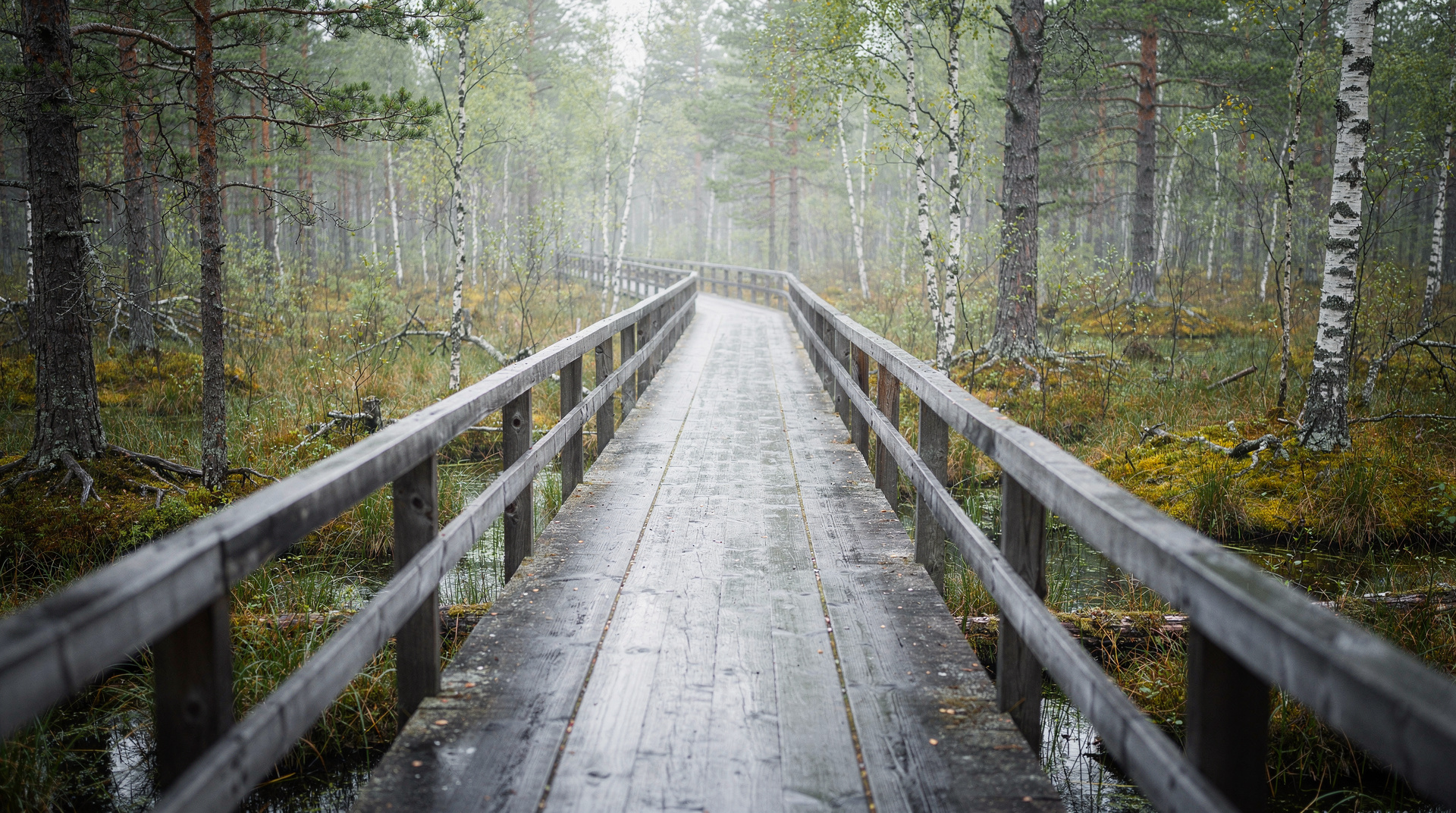
September–October: Autumn colors in the canal parks (yellowing lindens and chestnuts) from mid-September. October in Mežaparks — the old oak forest at peak autumn color — is the most visually spectacular park experience available in Riga. The mist effects on autumn mornings in the park are what professional photographers come for.
November–March: The parks are quiet and often cold, but they have their own appeal. Fresh snow in the canal parks creates a perfect city-winter aesthetic. Mežaparks offers cross-country skiing along its paths when snow conditions allow (typically January–February). The formal geometry of the canal park belt is more visible in winter without leaf cover.
Urban wildlife in Riga’s parks
Riga’s green spaces support an unexpectedly rich urban wildlife population:
Mežaparks: Squirrels (Eurasian red squirrel, noticeably more red-furred than the greys common in Western European cities) are abundant throughout the forest. Woodpeckers — great spotted, black, and green — are regularly heard and occasionally seen. During the November–January period, rough-legged buzzards sometimes winter in the park, visible hunting over the open meadow areas.
Canal parks: Grey herons fish in the canal year-round and are remarkably unbothered by the proximity of people. Mallards, coots, and tufted ducks are permanent residents. Kingfishers are occasional visitors in spring and autumn.
Daugava riverbanks: White-tailed eagles (Latvia’s national bird) are occasionally seen over the river, particularly in autumn and winter. Ospreys pass through in September. Common sandpipers nest along the Daugava banks in the outer sections of the city.
Playgrounds and children’s facilities
For families with children, Riga’s parks offer significantly more than adult-oriented walking space:
Mežaparks: The main forest park has a large playground complex, a miniature train (seasonal, summer only), and the Riga Zoo at the eastern edge. The meadow areas are suitable for frisbee, football, and picnics.
Vērmanes Garden: A small playground in the western section, suitable for younger children.
Arcadia Park (Āgenskalns): The most unusual playground option — the park’s hillside and the pond area provide an informal adventure-play environment that works well for older children (6–12) who can explore the paths independently.
Kronvalda Park canal section: Paddle boats and rowing boats for rent in summer, €6–8/hour. Popular with children and a genuinely enjoyable canal-level view of the park and Old Town.
Running routes in Riga
For traveling runners, Riga’s parks provide well-surfaced running routes without traffic:
Canal park loop: The full canal park circuit (Bastejkalns → Kronvalda → Vērmanes → Esplanade and return) is 6 km on paved paths. Flat, well-lit, suitable year-round.
Mežaparks main trail: The outer loop of the Mežaparks cycling/walking path is 8 km. Some sections are compacted gravel rather than tarmac. Best in spring and autumn.
Daugava embankment: The embankment path from the Vanšu Bridge south past the Old Town and Central Market area runs approximately 5 km one-way on smooth tarmac with consistent views of the river and the historical skyline. Flat throughout.
Riga running groups meet at various points in the canal parks on weekday evenings — visible from approximately 18:00–20:00 in warmer months.
Frequently asked questions
Is Mežaparks worth visiting in Riga?
Yes, particularly in spring and autumn. The old-growth oak forest is unusual for a city park, and the network of cycling and walking paths runs for several kilometers. The Riga Zoo at the eastern edge of the park is a bonus, particularly for families. Take tram 11 from the Old Town, about 20 minutes.Are Riga parks free to enter?
Yes, all public parks in Riga are free. The Riga Zoo (within Mežaparks) charges entry: approximately €8 adults, €4 children. The Botanical Garden has a small entry fee (€2–3). All other parks are free.Can you cycle in Riga parks?
Yes. Most Riga parks have dedicated cycling paths or permit cycling on designated routes. Mežaparks has an extensive cycle path network through the forest. Rental bikes and electric bikes are available in the city center. See the bike rental guide for options.What is the canal walk in Riga?
The city canal (Pilsētas kanāls) runs between the Old Town and the Quiet Center, flanked by a linear park strip that includes Vērmanes Garden, Esplanade Park, and Kronvalda Park. This connected green corridor is one of Riga's most pleasant walking environments, particularly in summer when the canal boats operate.Where do Riga locals picnic?
Mežaparks forest edges in summer, Arcadia Park in Āgenskalns (west bank), and the Kīpsala riverbank are the most popular local picnic spots. Vērmanes Garden is central but small. Uzvaras Park in Pardaugava has large open lawns that fill with locals on sunny weekends.