Sigulda hiking trails and Gūtmanis Cave guide
What are the best hikes near Sigulda?
The Sigulda–Gūtmanis Cave–Turaida loop (10–12 km) is the classic route, covering the valley's greatest highlights. For a shorter walk, the Gūtmanis Cave to Turaida trail (4 km one-way) is manageable in 2–3 hours. Both routes are well-marked and accessible from Sigulda station.
Hiking in the Gauja valley — what makes these trails special
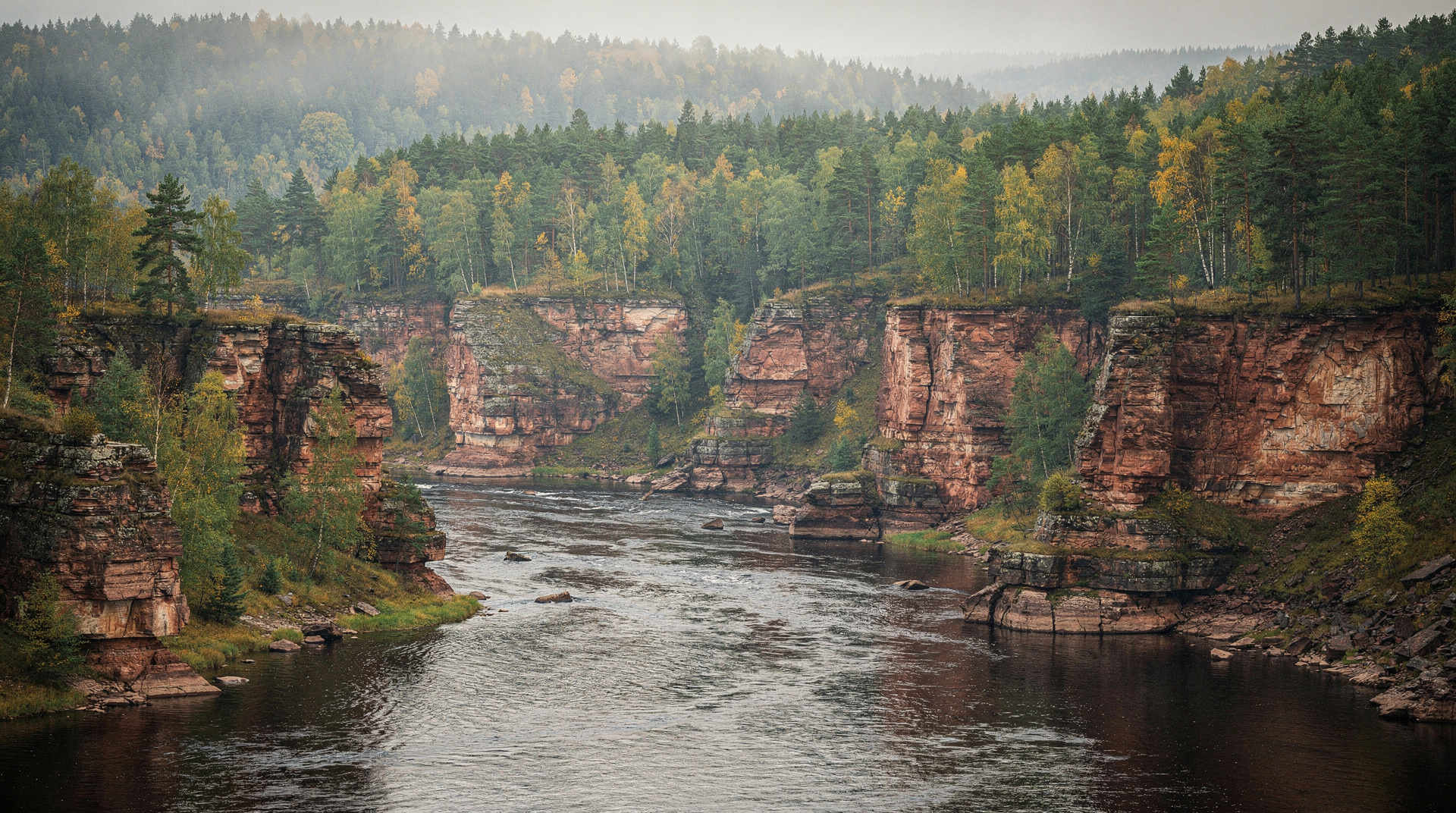
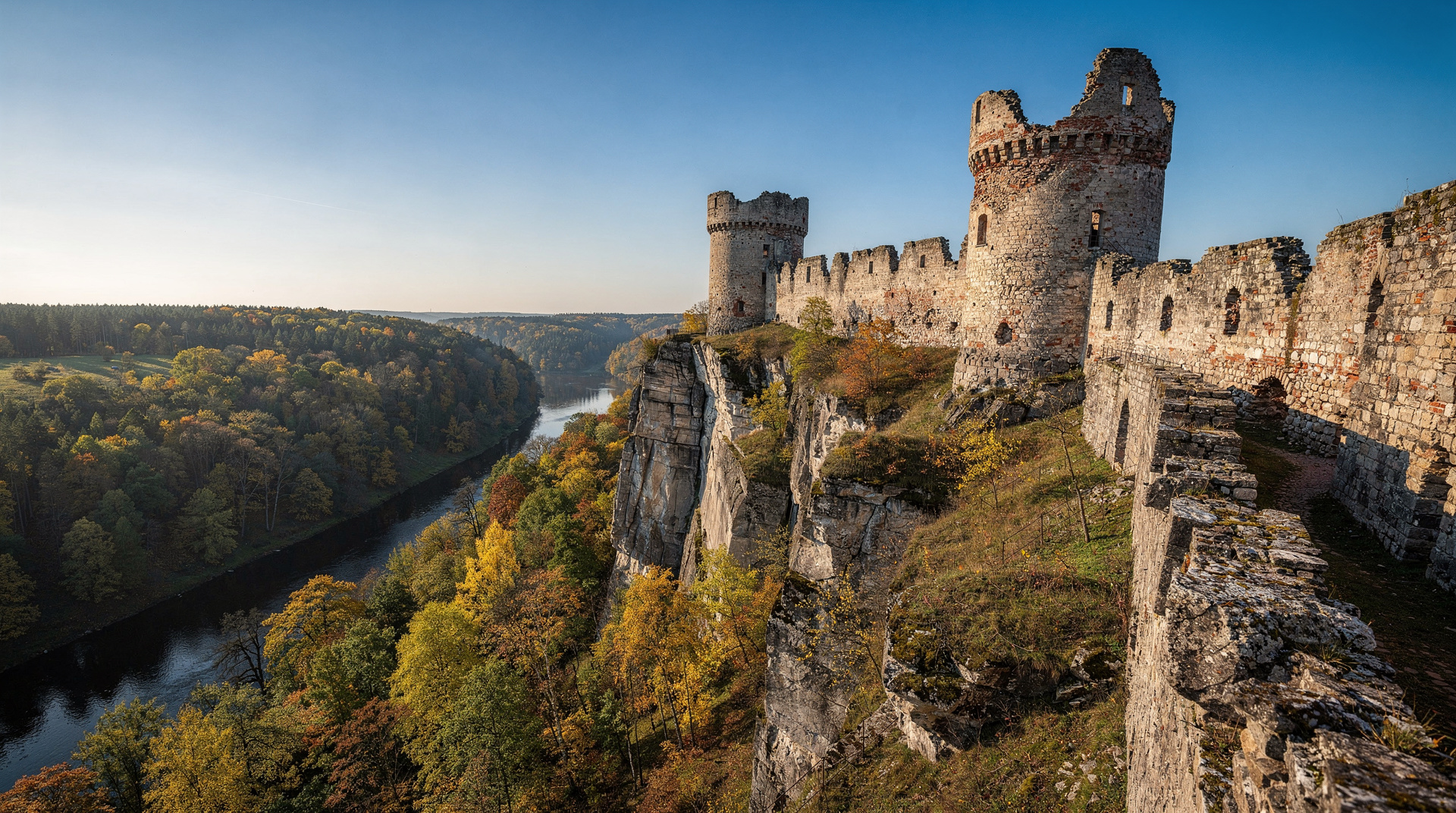
The Gauja valley around Sigulda is the best walking country in Latvia. The river has carved a valley 60–90 meters deep through layers of red sandstone and dolomite, creating cliff faces, caves, spring-fed waterfalls, and a forest environment that shifts from oak and linden on the valley sides to alder and willow along the river. The scale is modest by Alpine or Scandinavian standards, but the combination of geological drama, medieval ruins, and pristine forest makes for a hiking experience that is disproportionately rewarding relative to effort.
This guide covers the main trails accessible from Sigulda town, with honest information about distances, difficulty, and what makes each route worth doing.
Getting to Sigulda
Pasažieru Vilciens trains run from Riga Central Station to Sigulda approximately every hour. Journey time 1 hour, price €3 each way. The train station is in Sigulda town center, within walking distance of the medieval castle ruins (the starting point for most valley hikes). See Riga to Sigulda by train for full logistics.
Trail 1: The classic valley loop (Sigulda–Gūtmanis–Turaida)
Distance: 10–12 km depending on variant | Duration: 4–5 hours | Difficulty: Moderate
This is the standard recommendation for a first visit and covers the three most significant natural and historical sights in one connected route.
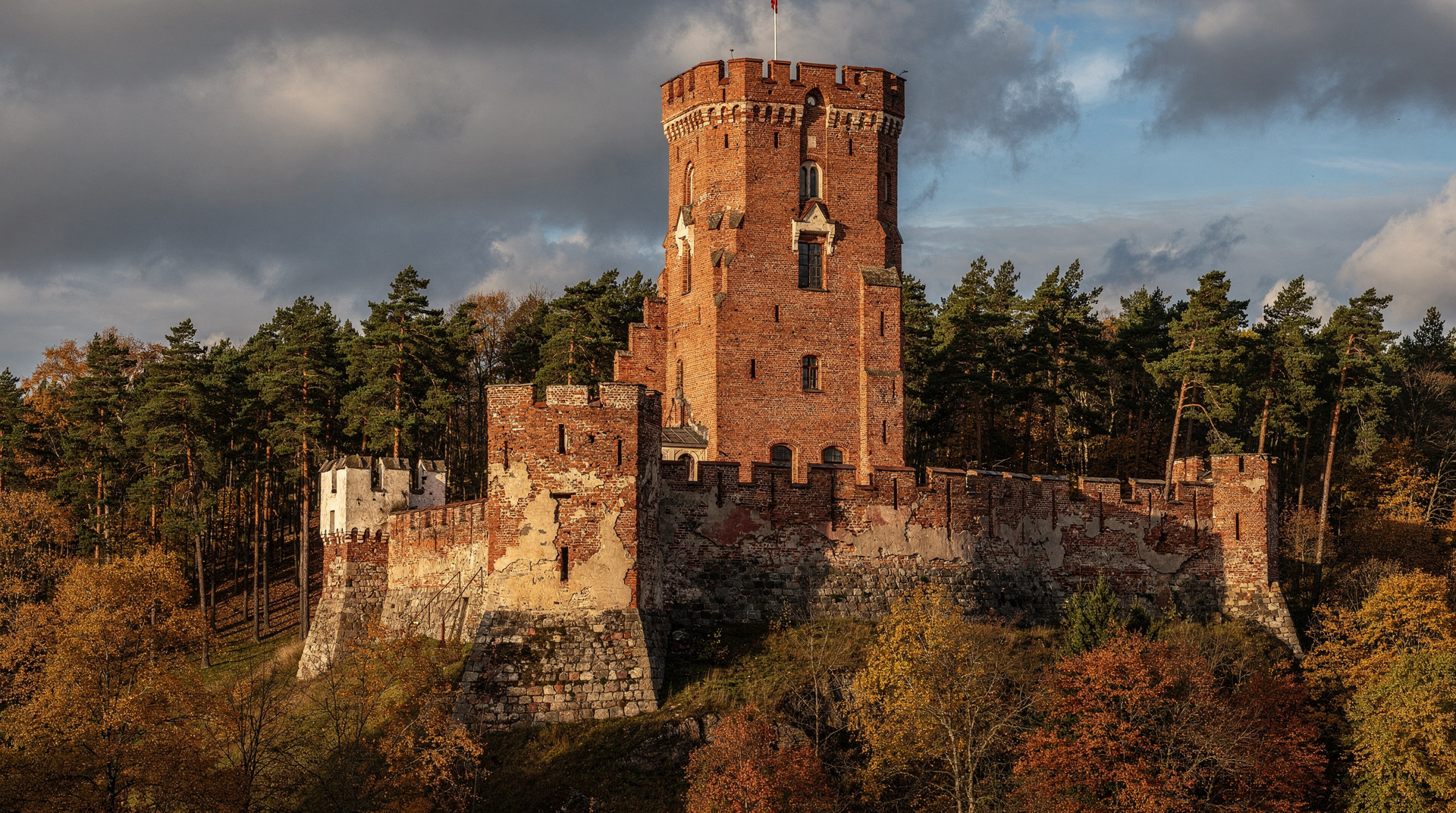
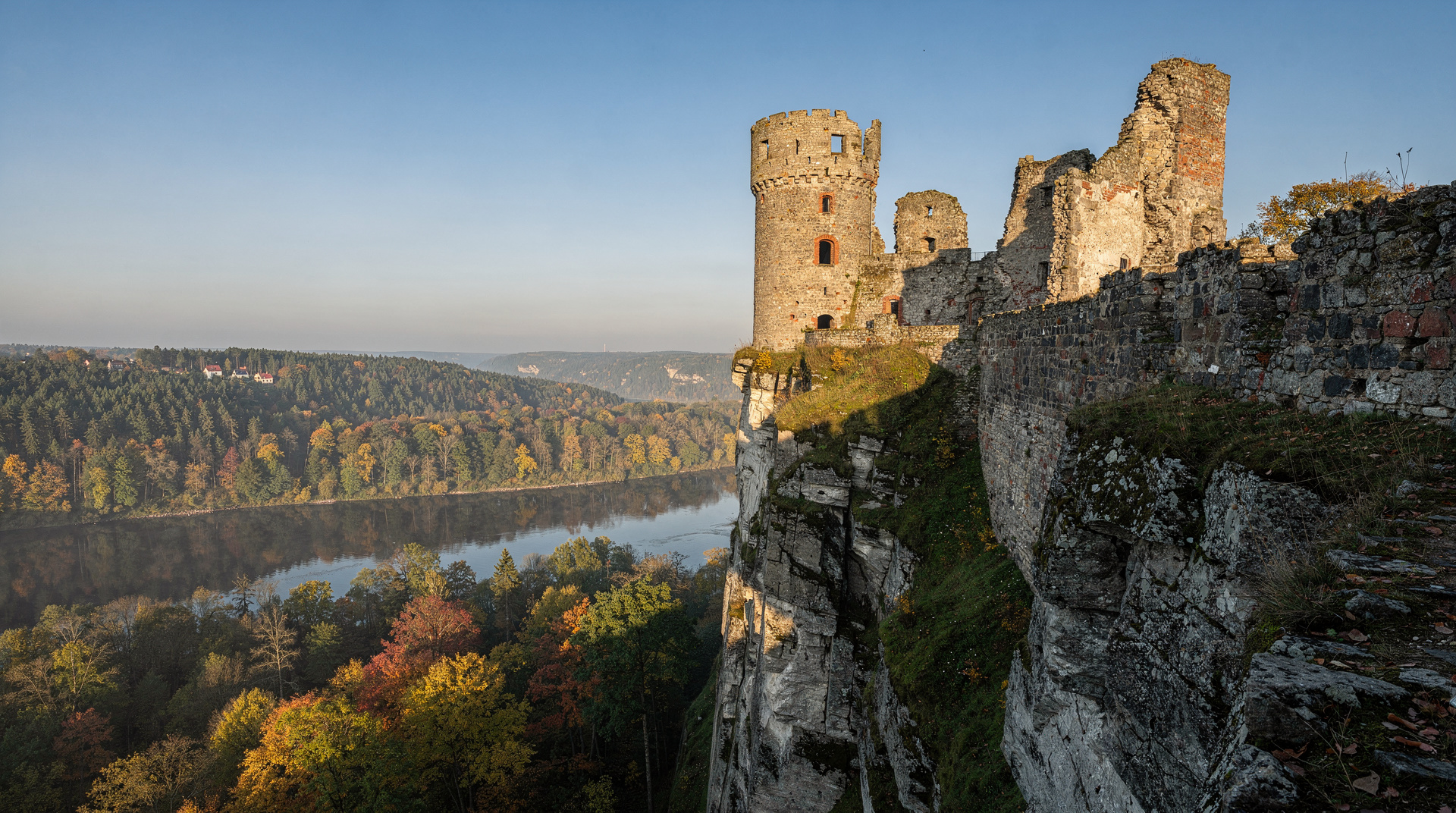
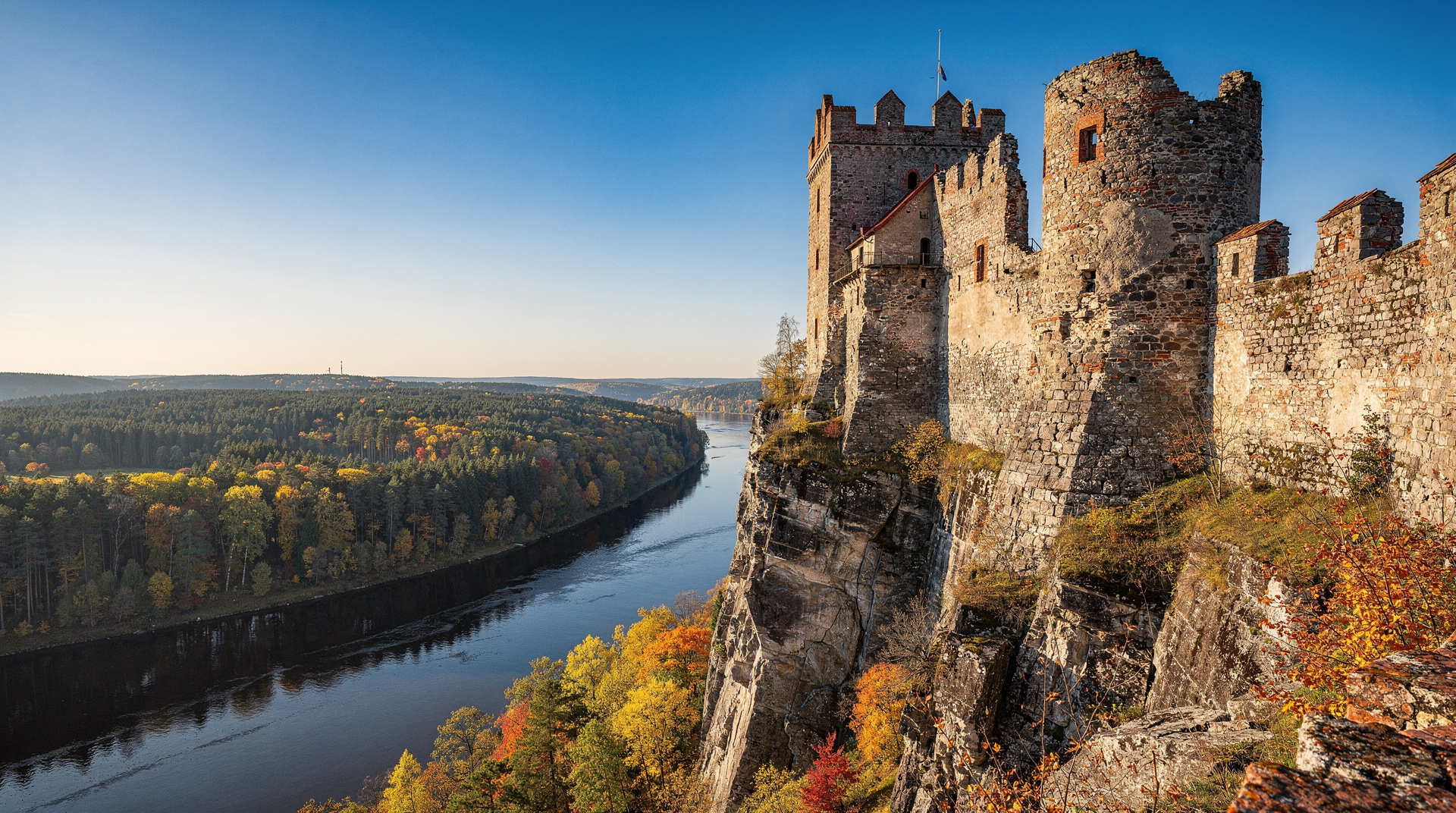
Route description: Start at the Sigulda Medieval Castle ruins (signposted from the station, 10 min walk). The ruins sit on the plateau edge with views down the valley. From here, take the blue-marked trail descending to the valley floor — the descent is the steepest section, approximately 80 m over 1.5 km on a forest path with some root sections. At the valley floor, turn northeast along the river.
Gūtmanis Cave is reached after approximately 2 km of valley floor walking. The cave (Gūtmaņala) is the largest cave in the Baltic states: not a deep cave in the spelunking sense, but a dramatic 18 m wide, 12 m high sandstone overhang with walls covered in inscriptions dating back to 1667 — names, dates, and coat-of-arms carvings left by everyone from Swedish soldiers to 19th-century tourists. Entry €2. Allow 20 minutes.
Continue northeast along the valley for another 2 km to reach the approach to Turaida Museum Reserve. The trail here follows the base of the sandstone cliff face, passing several smaller caves and natural springs. The section between Gūtmanis and Turaida is the most beautiful part of the entire hike — forest, cliff, and river in close proximity.
Turaida Castle (€8 entry) and the full museum reserve take 2–3 hours if you visit properly. See the Turaida Castle visiting guide for detail.
Return: From Turaida, a marked trail climbs back to the Sigulda plateau (30 min) or you can take a Bolt (€5–6) back to the station.
Trail 2: The Gūtmanis short walk
Distance: 4 km one-way | Duration: 2 hours | Difficulty: Easy-moderate
If time is short, the descent to the valley floor and walk to Gūtmanis Cave is the minimum viable hike — it covers the most dramatic geological section of the valley with manageable effort. The trail is well-signposted from the Sigulda castle ruins.
Best for: afternoon arrivals, families with older children, visitors who plan to visit Turaida separately by Bolt or car.
Trail 3: The Krimulda loop (opposite valley)
Distance: 8 km | Duration: 3–4 hours | Difficulty: Moderate
A less-visited but highly scenic alternative on the north bank of the Gauja. Cross to the Krimulda side by cable car (€8 return, runs every 30 min) and follow the blue trail to Krimulda Castle ruins (free entry, atmospheric stone foundations in a forest clearing), then continue along the valley rim to the Viktors and Oto viewpoints before looping back.
This route gets fewer visitors than the Sigulda–Turaida circuit and the views back across the valley to Sigulda are excellent. Recommended as a complement to the main loop rather than a replacement.
Gūtmanis Cave in detail
Gūtmanis Cave deserves extended description because it is the most photographically compelling single spot in the entire valley. The cave (correct name Gūtmaņala, sometimes anglicized as Gutmann’s Cave) was carved by the Gauja River when the river ran at a higher level during the last glacial period. The overhang is 18 m wide, 12 m high, and approximately 19 m deep — large enough to shelter several hundred people.
The walls are covered in carvings spanning 400 years. The oldest identifiable inscription dates to 1667. Military campaigns (Swedish, Russian, French), noble families, civic organizations, and thousands of individual visitors have all left their mark. The inscriptions are protected now and not added to, but the existing layer is extraordinary — reading a wall of carved history while standing in a cave carved by a river 10,000 years ago is an experience that does not translate adequately in description.
A local legend associates the cave with the Rose of Turaida, Maid Maija — a 17th-century story of betrayal and sacrifice at the cave site. A memorial stone near the entrance marks the grave where, according to the legend, she was buried. Whether you believe the legend or not, it gives the cave an emotional weight that pure geology cannot provide.
Entry: €2. No advance booking required. Open year-round.
Organized guided hikes
Sigulda day tour: castle ruins, Gūtmanis Cave and more — €85, 8 hoursThe organized day tour from Riga covers this entire circuit with a guide who provides geological, historical, and ecological context throughout. For first-time visitors who want to understand what they are seeing rather than just see it, the guided format adds significant value. Pickup from Riga hotels is included.
Riga: private Sigulda, Turaida and Gauja National Park tour — €225, 5 hoursThe private tour is the most flexible format: pickup from your hotel, timing adjusted to your preferences, guide adapts to your specific interests (architectural, natural history, or hiking-focused). Ideal for families, photographers, or visitors with limited time who want to cover the main highlights without group pace constraints.
Practical hiking information
Trail maps: The Gauja National Park visitor center in Sigulda town (near the main square) provides free trail maps in English with distances and elevation changes marked. The Blue Trail goes down the valley to Gūtmanis and Turaida; the Red Trail covers the Krimulda loop.
Trail conditions: In spring (March–April) and after heavy rain, the valley floor trails can be muddy and slippery. The descent from the plateau to the valley floor has root and loose rock sections that are more challenging when wet. Sturdy footwear is essential; sandals are not appropriate. Waterproof hiking boots are ideal.
Insects: Mosquitoes are active May to September, particularly on the valley floor near the river. Bring DEET-based repellent for any hiking in June–August.
Water: The valley has no reliable drinking water sources on the trail. Bring at least 1.5 liters for the full loop.
The best time for Sigulda hiking — an honest comparison
Spring (May–mid-June): Forest fresh, spring flowers on the valley floor, maximum spring flow from the sandstone springs. Mosquitoes begin in May. Weekdays very quiet — Gūtmanis Cave nearly to yourself. Temperature 12–18°C.
Summer (late June–August): Maximum daylight (sunset 22:00–22:30 in June), warmest temperatures (20–26°C), all facilities open. The main trail is busy on summer weekends by Latvian standards — which is still uncrowded by European hiking trail standards.
Autumn (September–October): Arguably the best hiking season. Valley forest turns gold and red from mid-September; sandstone cliffs more dramatically lit in lower autumn sun; valley fog on cool mornings creates atmosphere impossible in summer. The first two weeks of October are the peak.
Winter (November–March): Walkable with appropriate footwear (microspikes recommended). Very few visitors. The valley under snow is beautiful. Turaida Castle has reduced hours but remains open.
Getting the most from your Sigulda day
Three things that distinguish an excellent Sigulda day from a merely good one:
First: arrive early. The first train from Riga reaches Sigulda around 09:00. Walking the valley from 09:30 to 13:00 means you reach Turaida before tour coaches from Riga (which arrive roughly 11:00–14:00). The castle in the early morning, with few other visitors, is a significantly better experience.
Second: spend real time at Gūtmanis Cave. Most day-trippers give it 10 minutes. The 400 years of inscriptions on the cave walls deserve 30 minutes of careful attention. Bring a headlamp or use your phone light to read the older carvings in darker sections of the overhang.
Third: stay for all of Turaida. Many day-trippers arrive at 14:00 with only an hour before they need to head back. Allow 2.5–3 hours minimum. The Dainas Kalns sculpture garden and the wooden church are the two most commonly skipped sections — and both are genuinely excellent.
See also: Turaida Castle visiting guide for the full Turaida experience, and Gauja National Park visiting guide for the broader park context.
Frequently asked questions
How do you get to Gūtmanis Cave from Sigulda?
From Sigulda town center, walk or take a Bolt taxi down the valley road to the Krimulda cable car station area. Gūtmanis Cave is a 2 km walk from the Sigulda Castle ruins on a marked forest trail (follow the blue trail markers). Total descent about 80 m. Allow 30–45 minutes from the castle.Is the Sigulda hiking trail difficult?
The valley trails are moderate — the main challenge is the descent to the valley floor (80–100 m elevation change) and the return ascent. The trail surface is forest path with some root and rock sections. Suitable for average fitness in sturdy footwear. No technical climbing involved.How much does it cost to see Gūtmanis Cave?
Entry to Gūtmanis Cave (Gūtmaņala) is €2. The cave itself is a large sandstone overhang, 18 m wide and 12 m high, rather than a deep cave system. The inscriptions on the walls are the main interest — the oldest date to 1667.Can you swim in the Gauja River?
Yes, in summer (July–August) the river is swimmable at several points — shallow, clear, and cold. The most accessible spots are near Krimulda and the valley floor below Turaida. The water temperature peaks at around 18°C in August.Are the Sigulda hiking trails open in winter?
Yes, year-round. In winter the trails can be icy and muddy; crampons or microspikes are helpful from December–March. The valley is beautiful under snow and significantly less crowded. Most visitors prefer spring–autumn but winter has its own appeal.What is the cable car across the Gauja and is it worth it?
The cable car (tramway) connects Sigulda on the plateau with Krimulda on the opposite valley ridge. It runs roughly every 30 minutes, carries 4–6 people per cabin, and costs €8 return. The views looking down the valley are excellent. It is worth it for the views rather than as a transit solution.