Turaida Castle visiting guide
How do you get to Turaida Castle?
From Sigulda (1 hour by train from Riga, €3), walk the valley trail through Gūtmanis Cave to Turaida — approximately 4 km, 1.5–2 hours. Alternatively, take a Bolt taxi from Sigulda station (€6–7). Entry to the Turaida Museum Reserve is €8 adults.
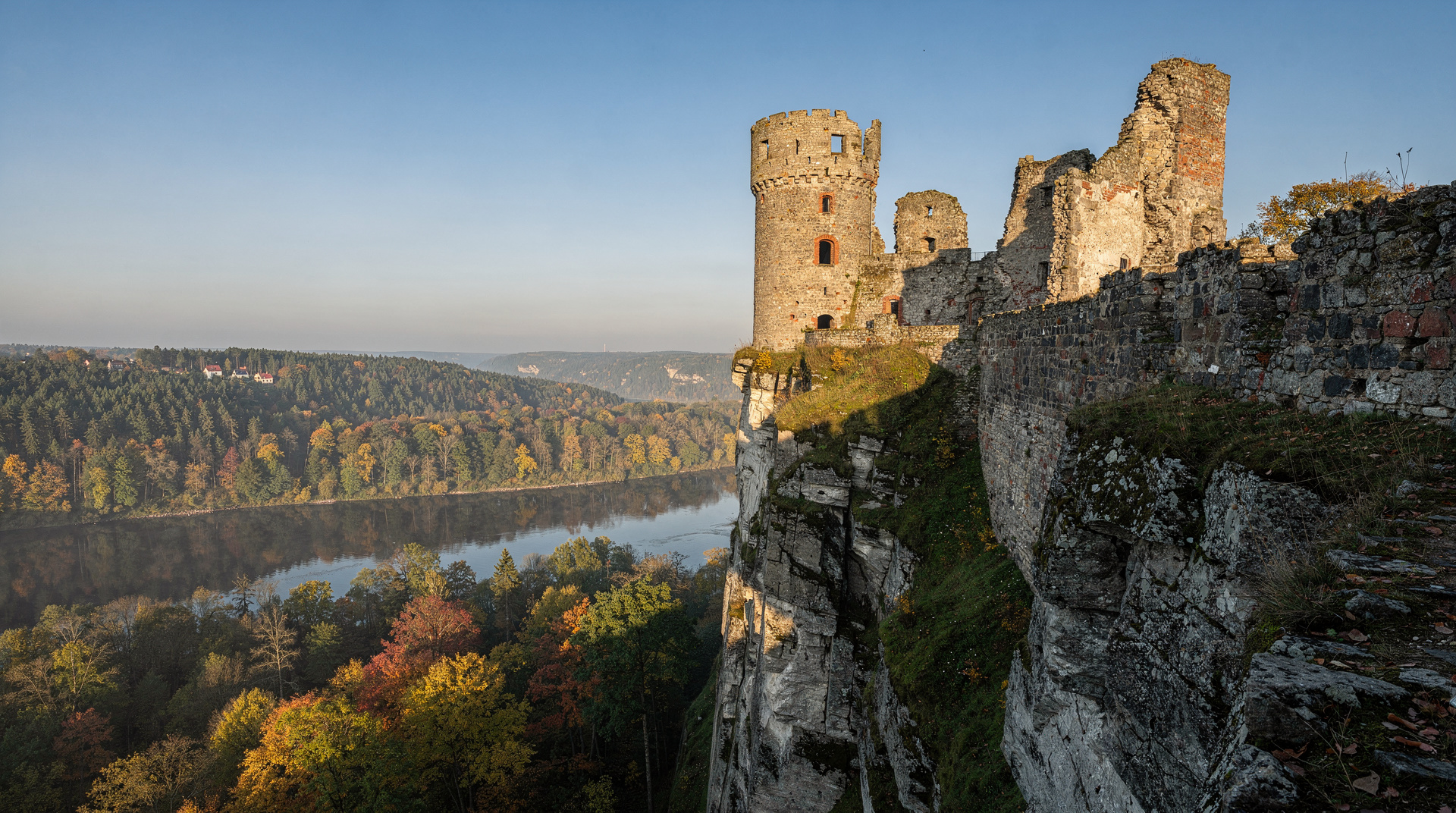
Turaida Castle — the red towers of the Gauja valley
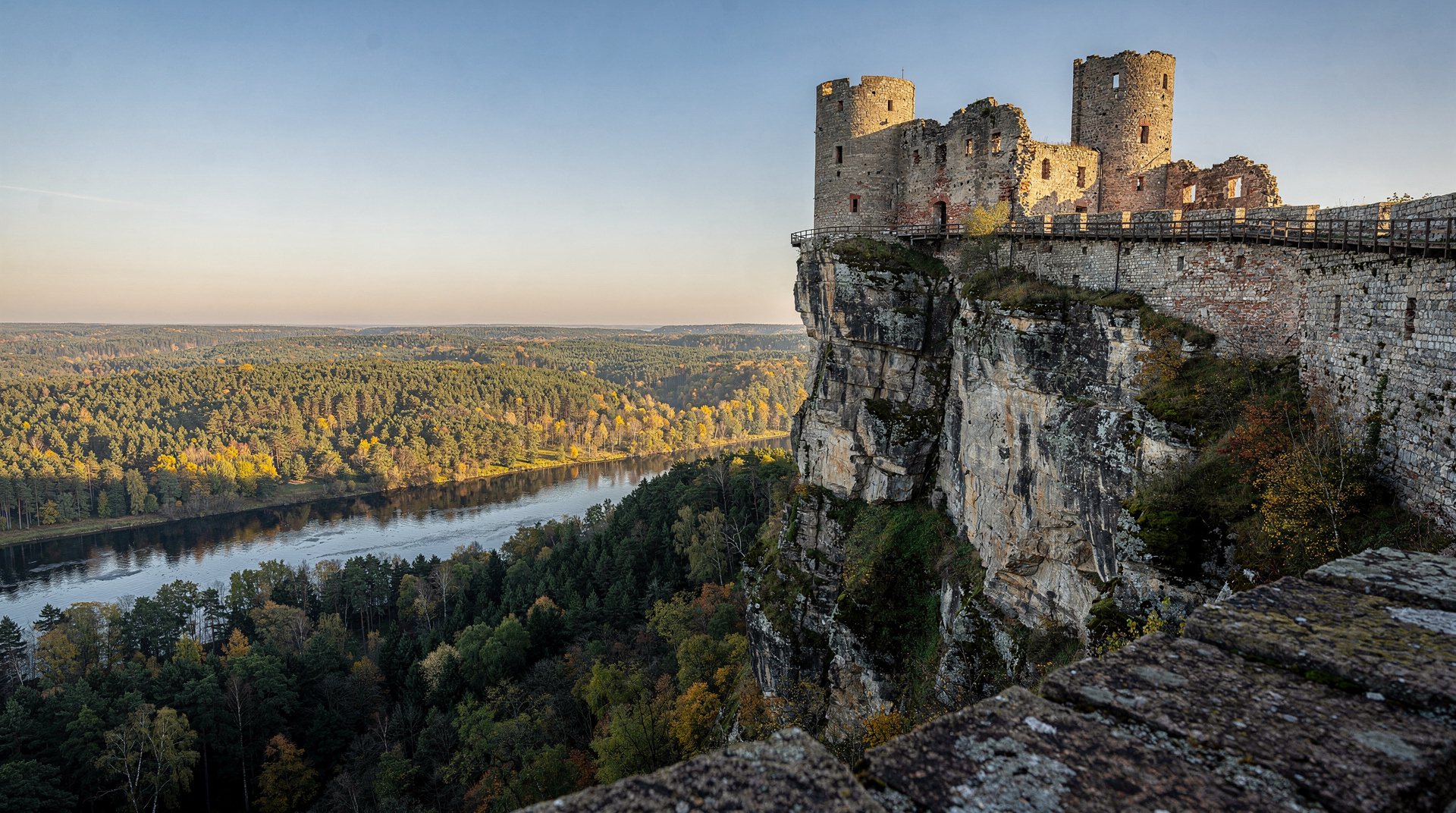
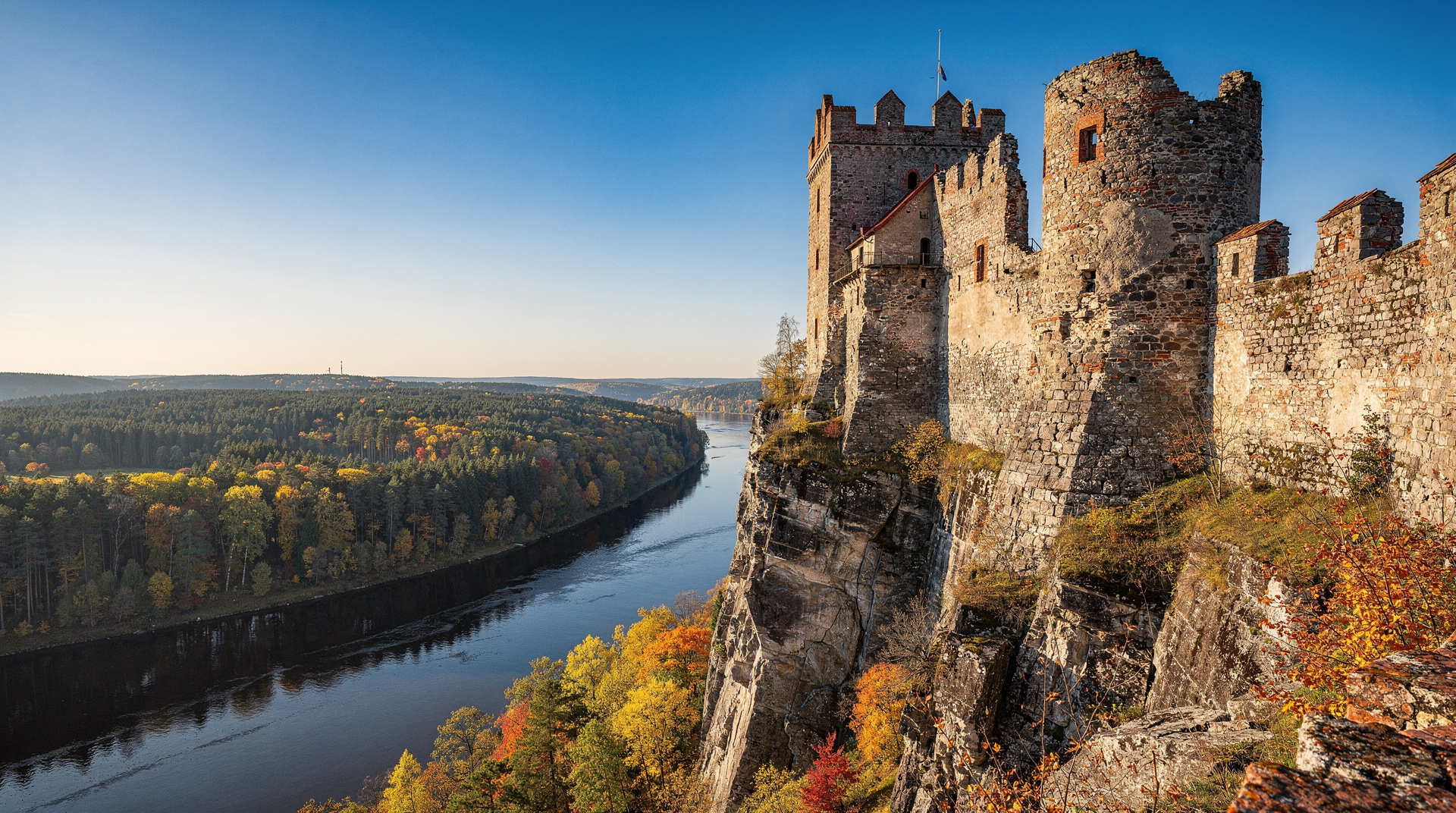
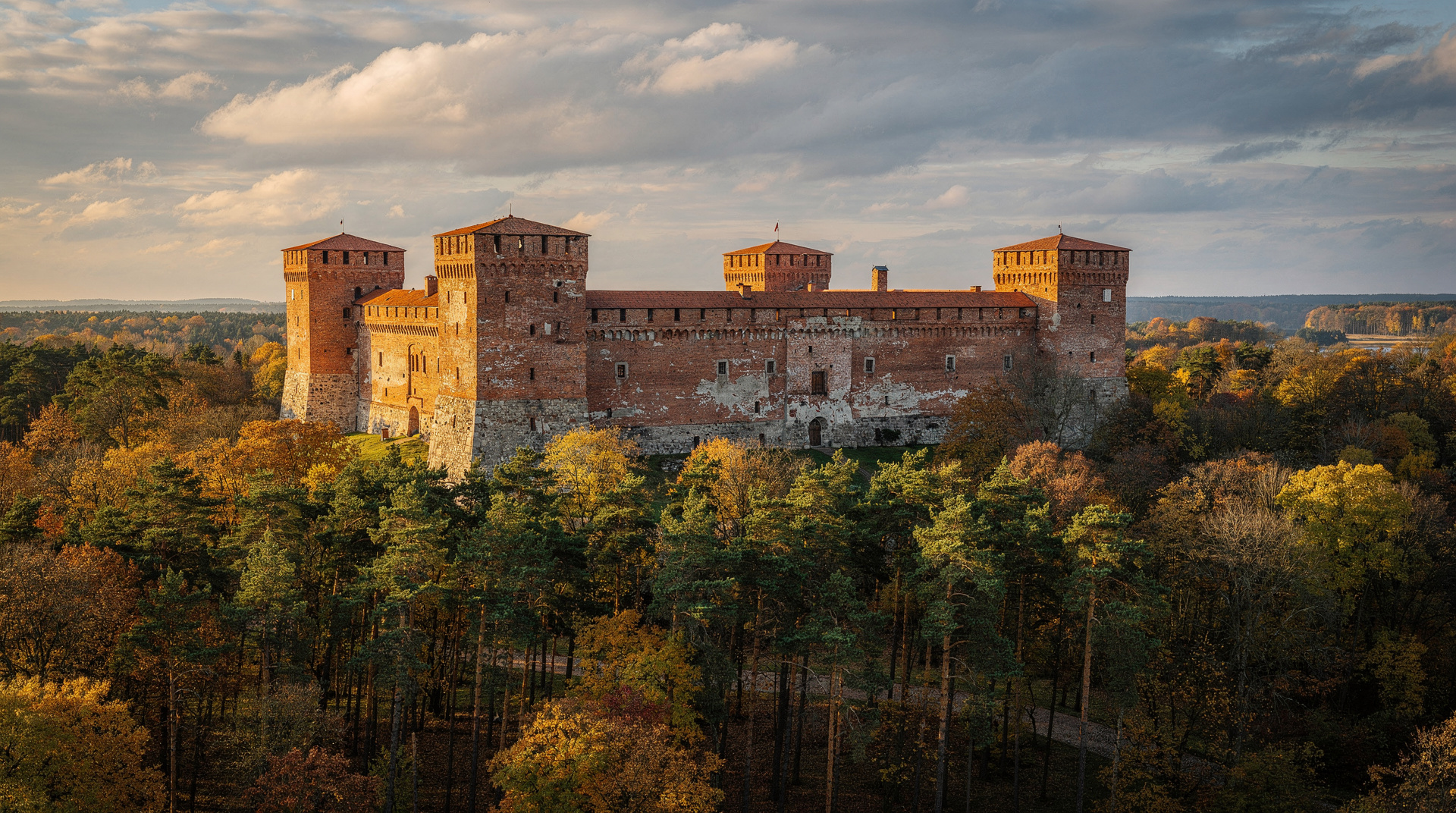
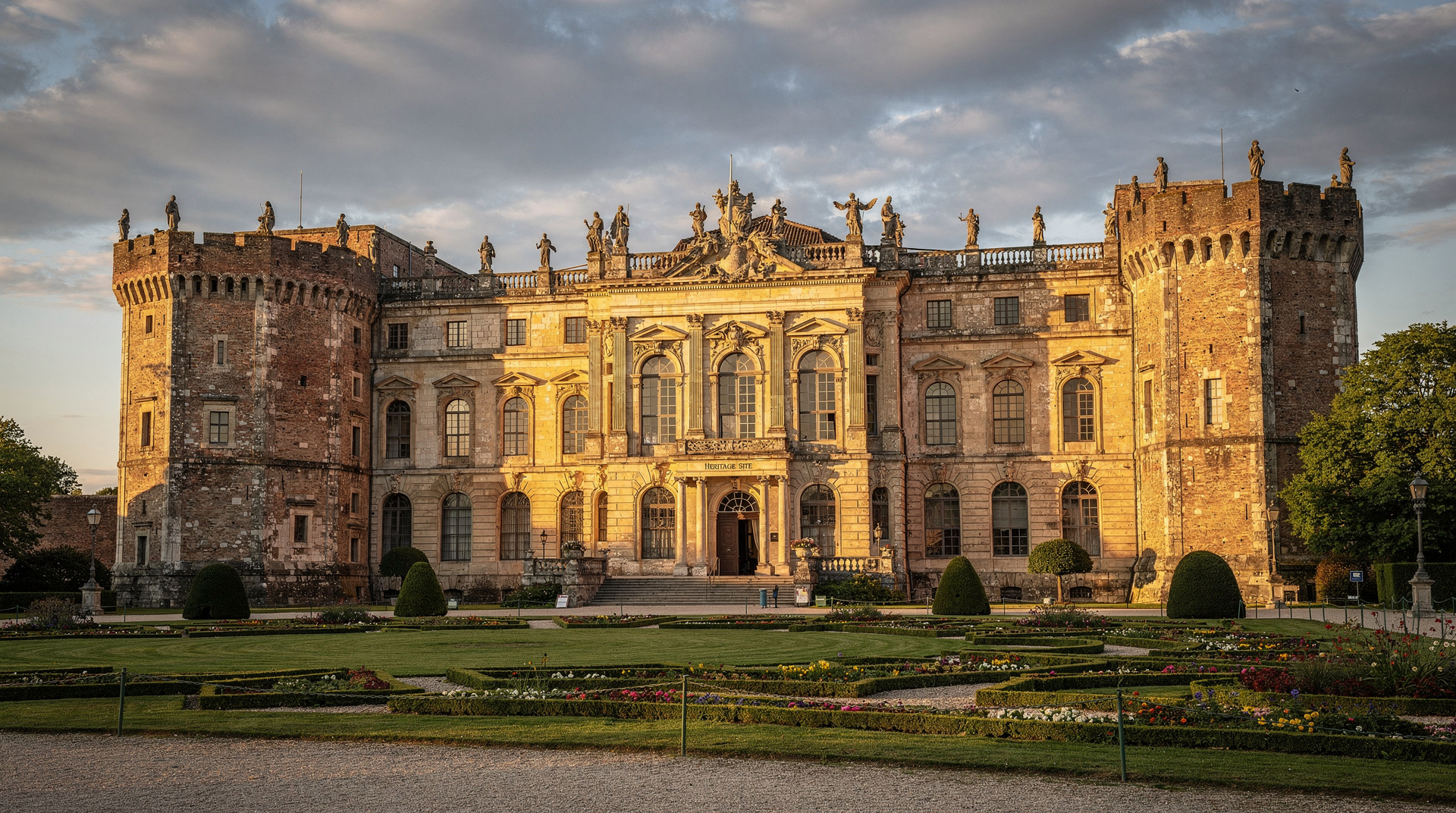
Turaida Castle is the most visually striking castle in Latvia. The combination of red-brick towers rising above a bend in the Gauja River, surrounded by the mixed forest of Gauja National Park, and set within a broadly intact 18th-century estate complex produces a heritage site that is genuinely atmospheric rather than merely historically significant. On a clear autumn day with the valley fog still in the lower sections, Turaida is one of the most beautiful places in the Baltic states.
The castle was built by the Archbishop of Riga on the site of a Livonian wooden hill fort in 1214, replacing the earlier structure with masonry. It served as the Archbishop’s main fortification in Vidzeme for over three centuries, expanded repeatedly and rebuilt after fires. The present appearance — dominated by the cylindrical main tower and rectangular keep — dates primarily from the 14th–15th centuries. Restoration work began in 1953 and continues; Turaida is the best-maintained castle site in Latvia.
The Turaida Museum Reserve — more than just a castle
What distinguishes Turaida from other Latvian castles is the scale of the site. The Museum Reserve covers 40 hectares and includes:
The castle complex: Main tower (36 m, climbable), the Round Tower, the South Tower, the castle chapel, and the connecting defensive walls. The museum rooms inside the castle display exhibits on the history of the Archbishop’s Baltic territories, medieval warfare, and the construction history of the site itself. Well-curated, English-language panels throughout.
The Turaida Lutheran Church (1750): One of the oldest surviving wooden churches in Latvia, located within the reserve grounds. The interior has 18th-century furnishings and a notable altar painting. It is still used for occasional services and is an excellent example of rural Latvian ecclesiastical architecture.
The Dainas Kalns Sculpture Garden: A hillside covered in carved wooden sculptures illustrating verses from Latvian folk songs (dainas). The installations vary in quality but the setting — forested hillside with valley views — is consistently beautiful. The concept reflects the significance of dainas in Latvian cultural identity.
The Rose of Turaida grave: Near the Gūtmanis Cave approach, a stone marks the legendary grave of Maid Maija (Turaidas Roze), the 17th-century figure whose story of sacrifice near the cave has become one of Latvia’s most resonant folk legends. The marker is modest but emotionally charged for visitors who have engaged with the legend.
Getting there: the valley trail from Sigulda
The most rewarding approach to Turaida is the valley trail from Sigulda through Gūtmanis Cave. This 4 km walk through the Gauja valley is one of the finest short walks in Latvia:
- Start at the Sigulda Medieval Castle ruins (10 min walk from Sigulda station).
- Descend the blue-marked trail to the valley floor (80 m descent, 30 min).
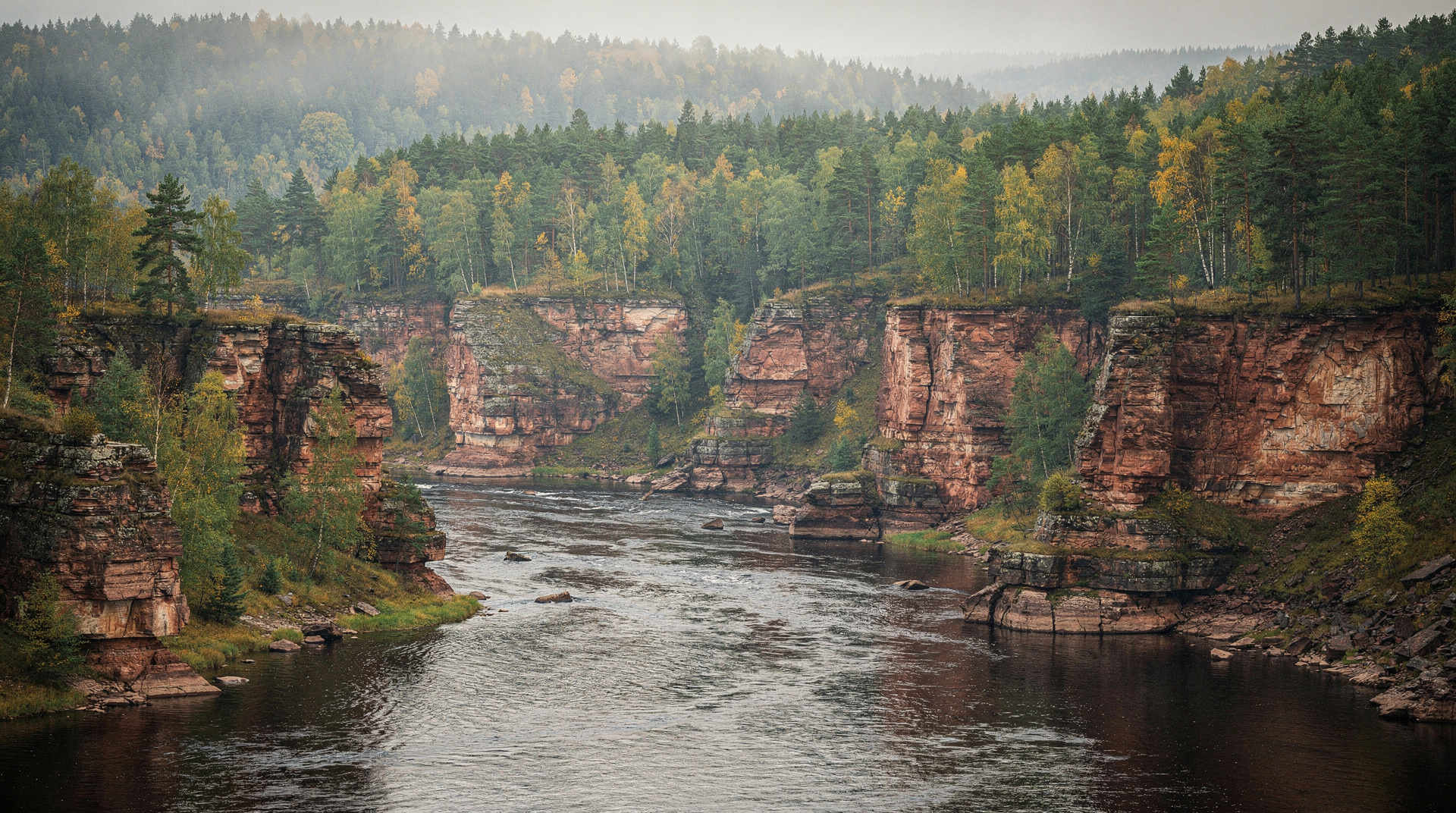
- Walk northeast along the valley floor, following the base of the sandstone cliff face (30–45 min to Gūtmanis Cave).
- Stop at Gūtmanis Cave (€2 entry, 20 min).
- Continue northeast along the valley for another 2 km to the Turaida reserve entrance (30–40 min).
Total walk from Sigulda: 4 km, 1.5–2 hours depending on pace and stops.
Alternative: Bolt taxi from Sigulda station to Turaida entrance, approximately €6–7 (5 min). This works well for the return leg after spending 3 hours at the reserve — walk out, Bolt back.
Organized tour:
From Riga: Cēsis, Sigulda and Turaida Castle tour — €95, 10 hoursThe organized group tour from Riga covers all three major sites (Cēsis, Sigulda ruins, Turaida) in a single day and is the most efficient way to see the full Gauja valley castle circuit. Hotel pickup from Riga is included.
The tower climb — what to expect
The main tower is 36 meters high with a wooden staircase of approximately 130 steps. The staircase is wooden, steep in places, and the ceiling in the lower sections is low (approximately 1.9 m — tall visitors should watch their heads). The final section narrows significantly.
At the top, the viewing platform gives panoramic views: west toward Sigulda, south down the Gauja valley, east toward the Krimulda plateau. On clear days the church spires of distant villages are visible. In autumn the valley fills with color; in winter the view over snow is extraordinary.
The climb is included in the €8 entry ticket. Allow 20 minutes for the climb and the view.
The Rose of Turaida legend
The legend of Maid Maija is one of Latvia’s most enduring romantic stories. According to the account (first written down in 1848 based on oral tradition), Maija was found as an infant among the battlefield dead after a 1601 Polish-Swedish battle near the castle, raised by the castle gardener, and grew into a young woman of exceptional beauty — known as the Rose of Turaida.
A soldier from the Riga garrison, obsessed with Maija, arranged to meet her at Gūtmanis Cave under a pretext. When she refused his advances, he killed her rather than let her escape. Maija was buried near the cave, and the memorial stone there marks the traditional grave site.
The legend has obvious folk-tale elements and its historicity is uncertain. But as an expression of Latvian cultural values — fidelity, sacrifice, love over coercion — it has resonated for nearly two centuries. The grave marker at Gūtmanis Cave is visited by couples and families alike, and wildflowers are regularly left there.
Practical information
Opening hours: May–September 10:00–20:00 daily. October and April 10:00–18:00 daily. November–March 10:00–17:00 daily.
Entry: Adults €8, students/seniors €6, children (7–18) €4.50. Under 7 free.
Duration: 2.5–3.5 hours for a full visit. The castle alone takes 1.5 hours.
On-site: Café at the reserve entrance (good coffee, light food). Shop with replica medieval items and Latvian craft products. Toilets near entrance.
See also: Sigulda hiking trails and Gūtmanis Cave for the full valley trail details, and Sigulda medieval castle ruins and New Castle for the other major Sigulda site.
The Turaida Museum Reserve — a deeper look
What distinguishes Turaida from standard castle visits is the curatorial ambition of presenting the site as a complete cultural landscape rather than just a collection of buildings. The Turaida Museum Reserve concept — covering 40 hectares with seven interpretive zones — was developed in the 1970s and reflects a sophisticated understanding of heritage that was unusually progressive for its period.
The seven zones are: the castle complex, the Lutheran church and churchyard, the Barons’ (manor) residence and estate buildings, the Dainas Kalns sculpture garden, the Maija memorial (Rose of Turaida) area, the natural landscape section, and the Gauja valley viewpoints. Each zone has its own interpretive materials in Latvian and English.
The Turaida church — Latvia’s wooden heritage
The Turaida Lutheran Church (Turaidas luterāņu baznīca), dating to 1750, is one of approximately 150 historical wooden churches in Latvia and one of the best-preserved. It was built to serve the estate workers and surrounding farming population of the Turaida parish — a functional rural church that has remained in continuous use (with breaks during the Soviet period) for nearly 275 years.
The interior is simple by the standards of comparable Lutheran churches in Germany or Scandinavia: white plaster walls, wooden box pews, a painted wooden altar with a 19th-century altarpiece depicting the Last Supper, and a small pipe organ (installed 1764, still playable). The absence of ornament is itself the architectural statement — Latvian rural Lutheran architecture rejected decoration in favor of functional clarity.
The church and churchyard are particularly atmospheric in early morning when the light is low and the churchyard is empty. Several 18th and early 19th-century headstones survive in the churchyard.
Visiting Turaida with children
Turaida is one of the best heritage sites in Latvia for children, and this is not accidental — the museum has invested specifically in making the site engaging for younger visitors.
The tower climb: Children aged 6+ can climb the main tower with adult supervision. The narrow staircase, the requirement to duck in low sections, and the view at the top all make the climb a physical adventure rather than just a museum exhibit.
The Rose of Turaida story: The legend of Maid Maija translates well to children’s storytelling — it has the classic elements of love, betrayal, and sacrifice that folk tales require, and the marked grave near Gūtmanis Cave gives the abstract story a physical location.
The Dainas Kalns (Folk Song Hill): The carved wooden sculptures illustrating traditional folk songs are accessible at child height and invite exploration. The sculptures vary from abstract to clearly figurative, and encouraging children to guess what story each depicts is an effective engagement tool.
The estate buildings: The manor barn and outbuildings in the estate section have original farm equipment and craft tools on display. For children interested in how things are made and how farms worked, this section provides practical historical context.
Turaida in the autumn — the strongest season
Autumn at Turaida is a specific experience worth planning for. The castle’s red-brick towers against the gold and amber of the surrounding forest create a color combination that summer visits simply cannot replicate. The best weeks: late September to mid-October, when the forest is at peak color and the tourist crowds have substantially thinned.
Morning visits are particularly recommended in autumn. The valley often holds a thin mist in the early morning that adds atmospheric depth to the view from the castle tower. The churchyard under fallen linden leaves in October has a melancholy beauty that photographs exceptionally well.
The autumn also brings mushroom season to the Gauja valley forests. Local Latvians consider autumn mushroom foraging (primarily chanterelles, porcini, and boletus species in the Gauja forest) one of the great seasonal pleasures of Latvian life. You will see people entering and leaving the forest with baskets along the paths between Gūtmanis and Turaida from September onward.
Frequently asked questions
What is included in the Turaida Museum Reserve entry?
The €8 entry ticket covers the castle tower and rooms, the 18th-century Lutheran church (one of the oldest wooden churches in Latvia), the Manor House museum, the Sculpture Garden (Dainas Kalns), and the grounds of the reserve. All elements are walkable within the site.Who is the Rose of Turaida?
Maid Maija (or Turaidas Roze) is a 17th-century folk legend associated with the castle and Gūtmanis Cave. According to the legend, Maija — orphaned as an infant and raised by the castle gardener — was murdered near Gūtmanis Cave by a soldier who attempted to assault her. Her grave is marked near the cave entrance. The story is possibly apocryphal but deeply embedded in Latvian cultural memory.How long does it take to visit Turaida Castle?
A thorough visit to the Turaida Museum Reserve takes 2.5–3.5 hours including all elements (castle interior, tower climb, church, manor museum, sculpture garden). A shorter visit focusing only on the castle and tower can be done in 1.5 hours.Can you climb the Turaida Castle tower?
Yes, the main tower (36 m) has a staircase to the top with panoramic views over the Gauja valley, the river, and the surrounding forest. The tower climb is included in the €8 entry ticket. The steps are wooden, steep, and the ceiling is low — not recommended for those with severe claustrophobia.Is Turaida Castle easy to visit without a tour?
Yes. The site is well-signposted in English, the trail from Sigulda via Gūtmanis Cave is clearly marked, and the castle museum has English-language information panels throughout. An independent visit is perfectly manageable.