Sigulda medieval castle ruins and New Castle guide
Are the Sigulda castle ruins worth visiting?
Yes, as the starting point of the Gauja valley walk. The ruins give an excellent panoramic view and historical context for the valley. Entry is low (€4) and the ruins are conveniently located 10 minutes from Sigulda station. Turaida Castle (4 km away by trail) is the more complete castle experience.
Sigulda’s two castles — understanding the site before you visit
Sigulda has two distinct castle structures that cause some confusion for first-time visitors, so it is worth clarifying before you arrive:
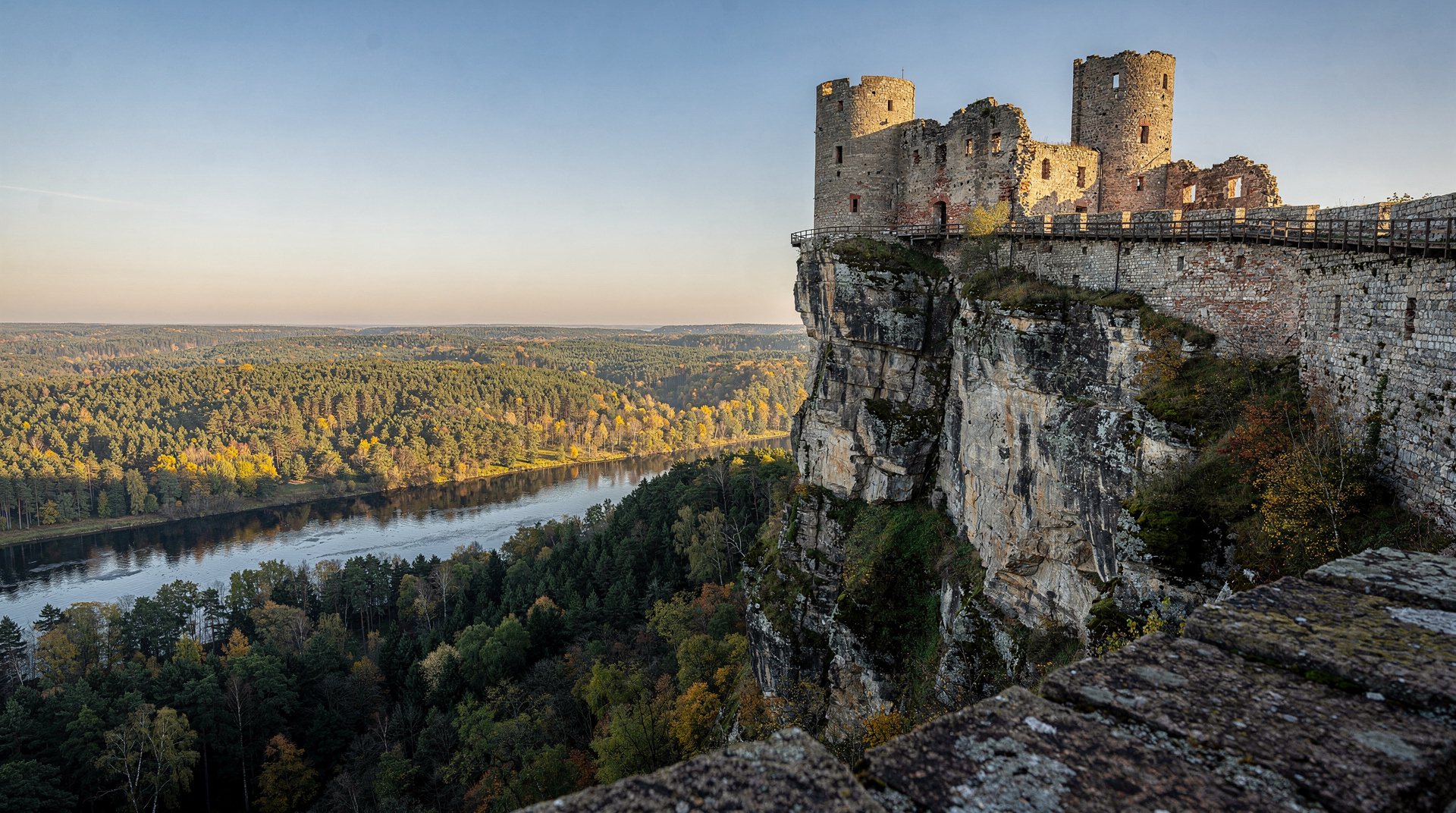
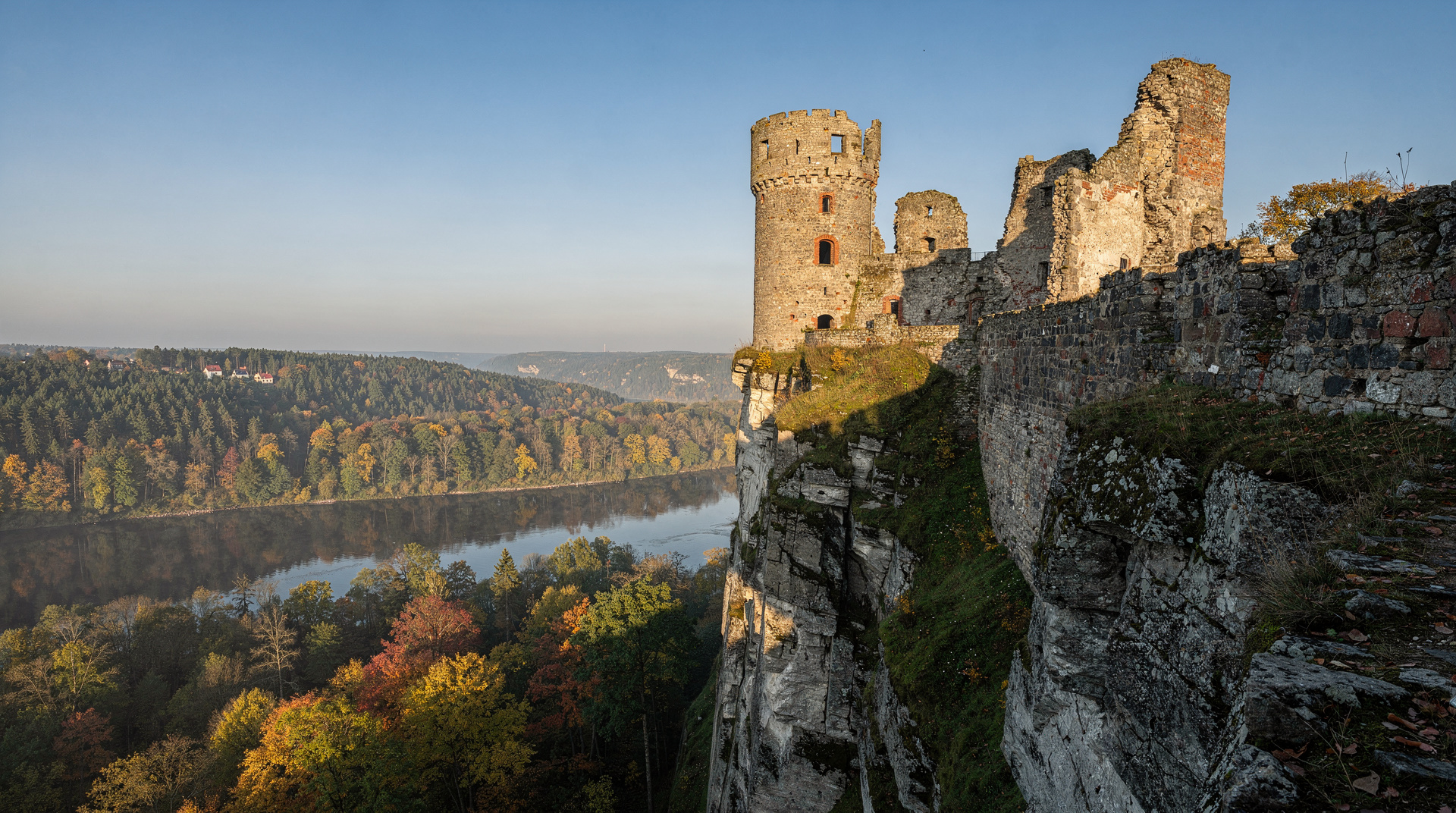
The Sigulda Medieval Castle (1207–1226): A Livonian Sword Brethren fortress built on the plateau edge above the Gauja River, now surviving as ruins — partial walls, one round tower, and sections of the main keep. Entry €4.
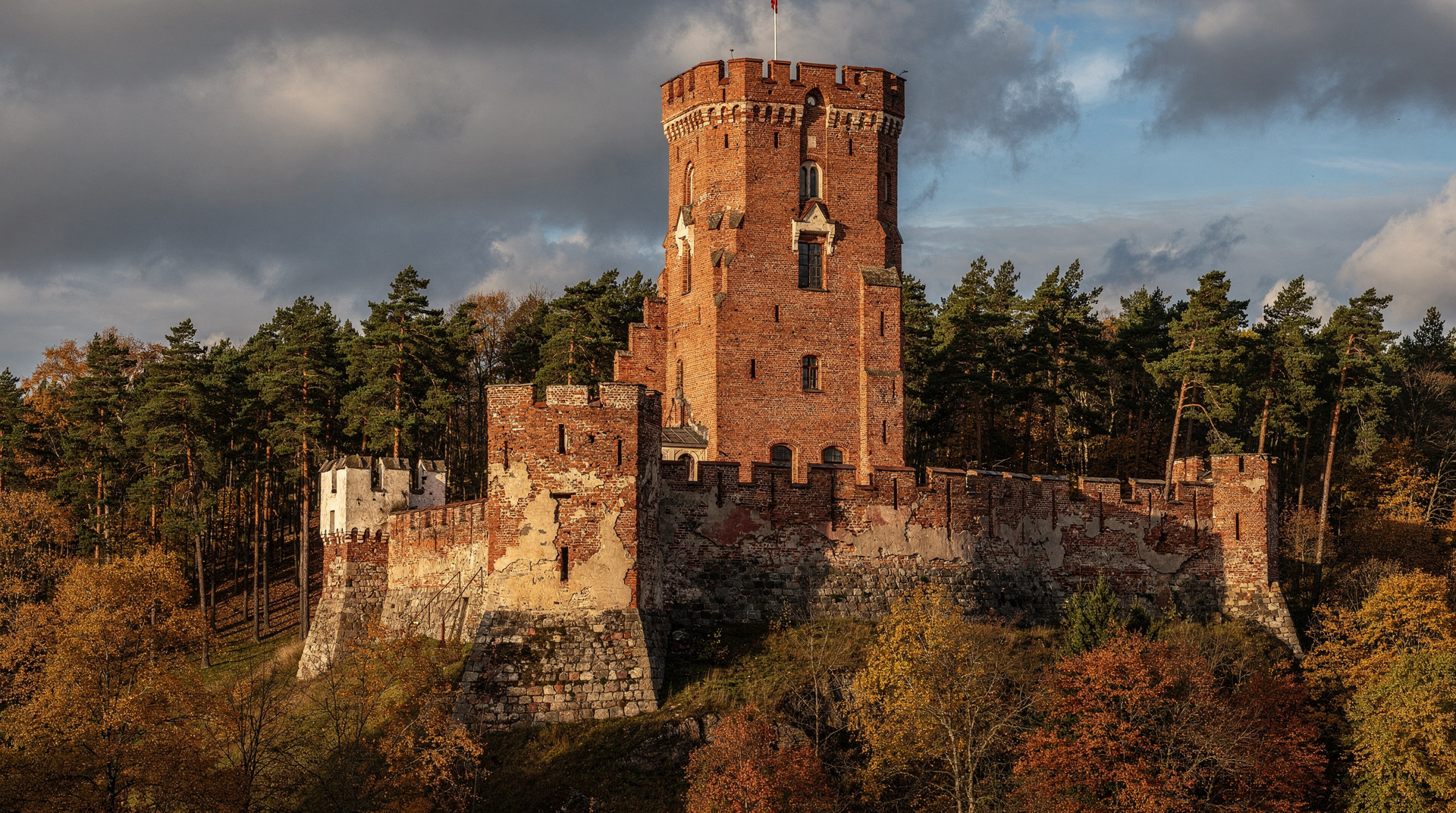
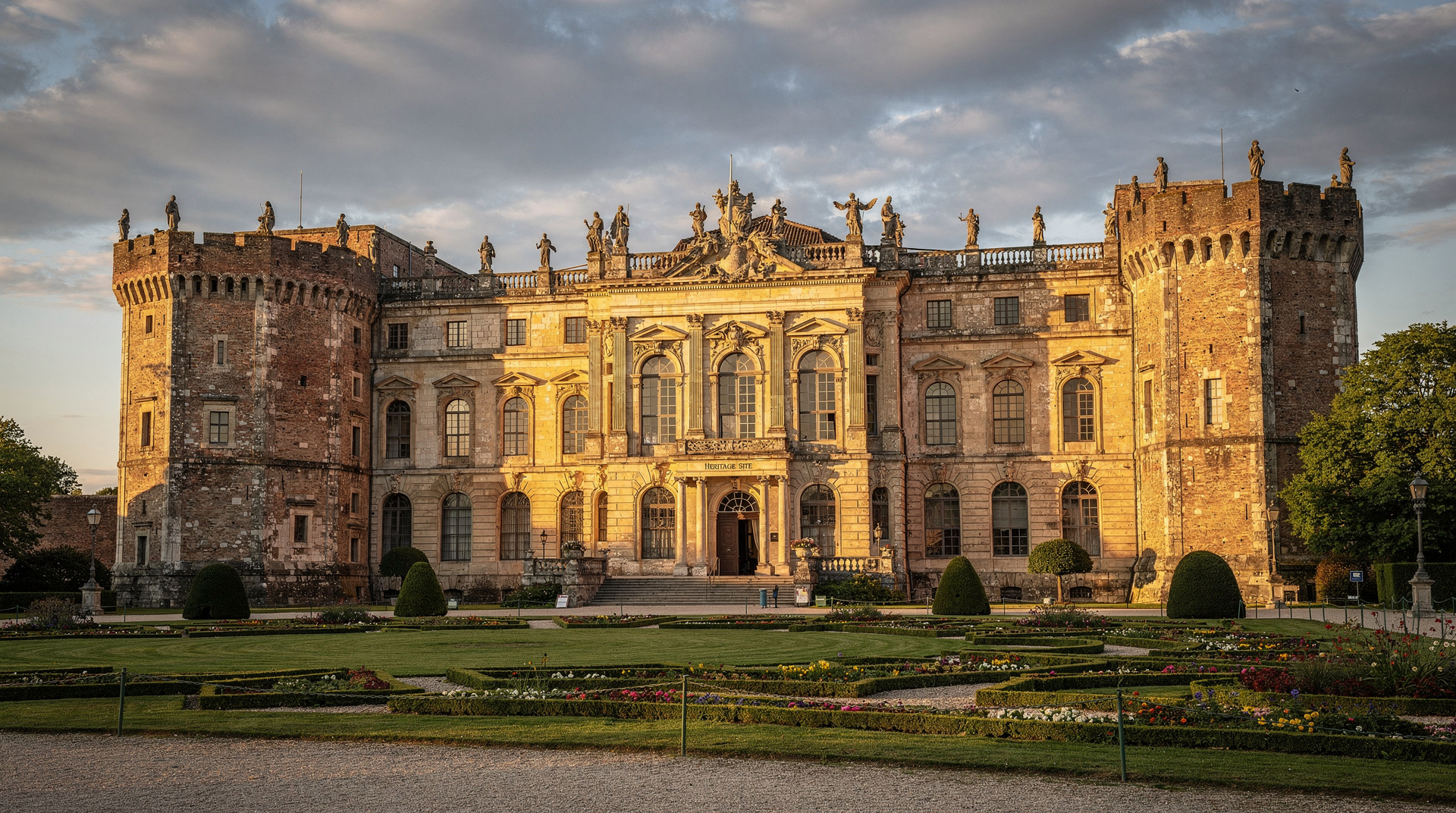
Sigulda New Castle (1878): A Gothic Revival manor house built by Prince Nikolai Alexandrovich Kropotkin on the grounds adjacent to the medieval ruins. It now serves as Sigulda Municipal Council (town hall). The exterior is viewable from the grounds; the interior is administrative and not open to tourist visits.
Both structures share the same ground (the “Sigulda Castle Park”) and are visible together. The confusion arises because visitors expecting a castle and finding a 19th-century manor house alongside genuine medieval ruins can be momentarily disoriented. Once you understand the layout, the site makes complete sense and is an interesting example of romantic historicist architecture layered onto genuine medieval remains.
The Medieval Castle ruins — what survives
The Sigulda Medieval Castle was built by the Sword Brethren (the military order that preceded the Livonian Order) between 1207 and 1226, making it one of the earliest stone fortifications in the Eastern Baltic. It served as one of the principal Livonian Order fortresses in the Gauja region until its gradual abandonment in the 16th–17th centuries.
What survives today is more than it appears from a distance. A wooden walkway system allows visitors to walk the perimeter of the surviving walls and enter the base of the round tower. The tower has a wooden staircase to the top — approximately 40 steps, the ceiling low in places — from which the panoramic view of the Gauja valley is the site’s principal attraction.
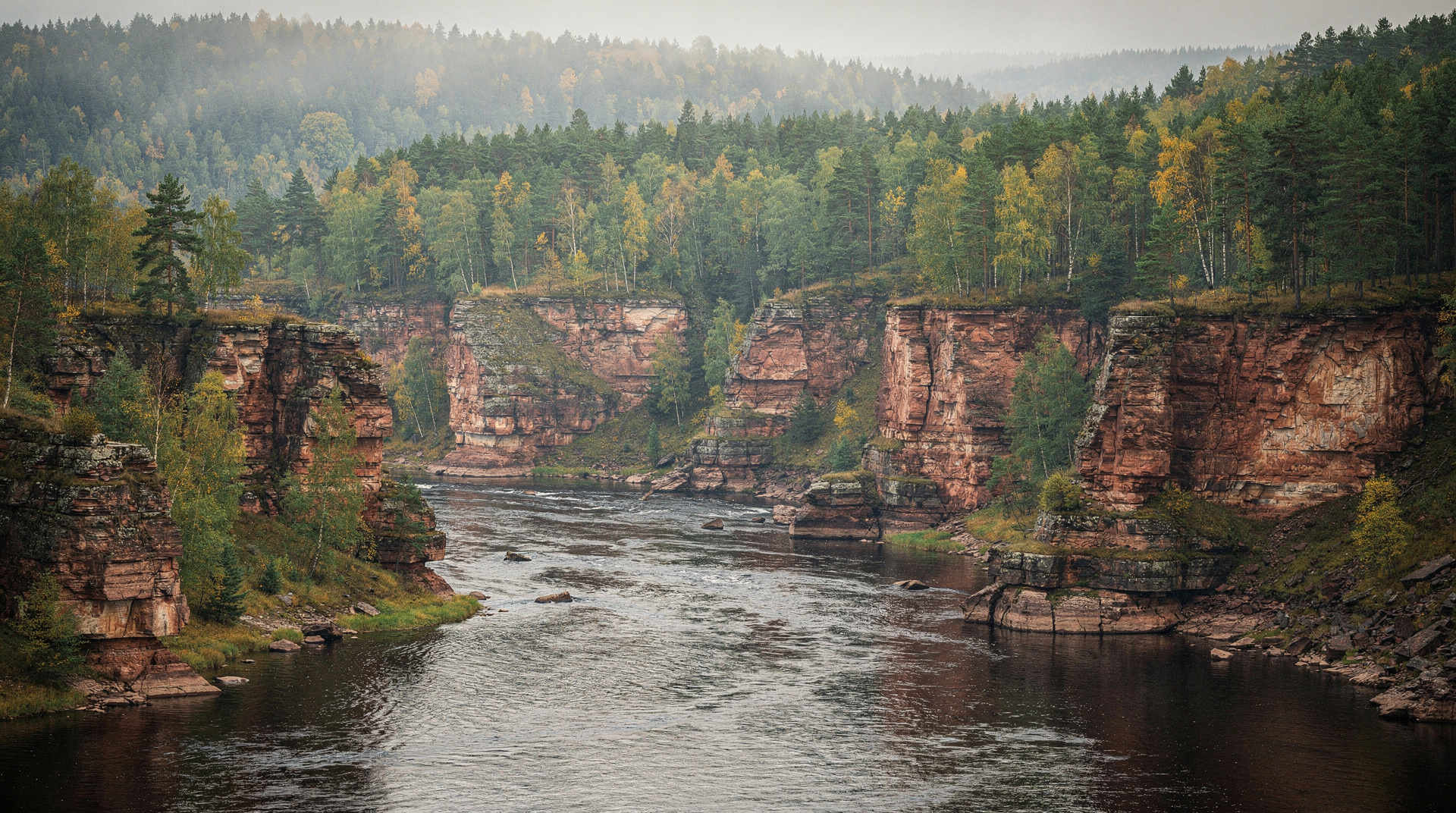
The view from the tower: looking east across the valley, Turaida Castle’s red-brick towers are visible on the opposite ridge, 4 km distant. The Gauja River meanders below, the forest fills the valley floor, and the sandstone cliffs are visible as reddish lines through the tree canopy. On autumn mornings when the valley holds fog, the view is extraordinary.
Entry: €4 adults, €2 children/students. Included in the combined castle complex ticket (which covers both the ruins entry and the walkway system).
Duration: 30–45 minutes for the ruins themselves, including the tower climb and a walk along the surviving wall perimeter.
Sigulda New Castle — the manor house
The New Castle was built in 1878 in the Gothic Revival style that was fashionable among Baltic German nobility in the late 19th century. Sigulda was a fashionable dacha destination for Riga society at this period — the forest, the valley views, and the train connection (opened 1889) made it the summer retreat of choice for the upper-middle class.
The building is architecturally interesting in the context of Baltic German manor architecture — the towers, the crenellated roofline, and the decorative stonework are textbook provincial Gothic Revival. It is not comparable to Rundāle Palace or Cēsis in historical weight, but as an example of 19th-century romantic historicism in a Baltic setting, it earns its place.
The grounds around both structures are accessible as a park (free), with mature trees, benches, and the best view platform in Sigulda (the terrace on the south side of the New Castle overlooks the valley directly).
Using Sigulda castle as a trail starting point
The standard approach to the Sigulda ruins — and the way most day-trippers use the site — is as the starting point of the Gauja valley trail to Gūtmanis Cave and Turaida. This is the correct approach. Spend 30–45 minutes at the ruins, orient yourself with the view, then descend the blue-marked trail to the valley floor.
The descent from the castle to the valley floor is 80 meters over approximately 1.5 km on a forest path — the most challenging section of the walk, but not technically difficult. From the valley floor, the trail runs northeast to Gūtmanis Cave (2 km) and then Turaida (another 2 km).
Sigulda day tour: castle ruins, Gūtmanis Cave and more — €85, 8 hours from RigaThis guided tour from Riga covers the ruins, the valley trail, and Turaida in a single organized day with hotel pickup from Riga.
The Krimulda ruins — the third castle
For visitors who want to go deeper on Sigulda’s medieval history, Krimulda Castle ruins on the opposite (north) bank of the Gauja complete the valley’s castle trio. Krimulda was an Archbishop’s residence (to the Sword Brethren’s Sigulda and the Archbishop’s Turaida), and its ruins — mostly foundations and a partial wall section — are accessible via the cable car across the valley (€8 return) and a 30-minute forest walk.
Krimulda is the least complete of the three sites and is more rewarding for those interested in the landscape than the ruins themselves. But the approach by cable car, with the valley spread out below, is spectacular enough to justify the trip on its own terms.
Practical information for the full Sigulda day
The ideal Sigulda day structure:
- 09:00–10:00: Train from Riga to Sigulda (1 hour, €3)
- 10:00–10:45: Medieval Castle ruins (€4, including tower view)
- 11:00–13:30: Valley trail to Gūtmanis Cave and Turaida
- 13:30–17:00: Turaida Museum Reserve (€8)
- 17:00–17:30: Bolt back to Sigulda town center (€6)
- 17:30–18:00: Optional: cable car (€8 return) for valley view, or explore Sigulda town
- 19:00: Train back to Riga
Total day cost (excluding food): approximately €30–35 for transport + castle entries.
See also: Turaida Castle visiting guide, Sigulda hiking trails and Gūtmanis Cave, and the full Sigulda and Gauja day trip guide.
Sigulda town — what else to see
The castle ruins and the valley trail are the two primary reasons to visit Sigulda, but the town itself has several worthwhile additional elements that enhance a full-day visit.
Sigulda New Castle terrace: The terrace on the south side of the New Castle manor house offers the best panoramic view of the valley available at ground level — south across the valley to the Krimulda plateau and east toward Turaida. The view is free and takes 15 minutes; combine it with the ruins visit.
Sigulda bobsleigh and luge track: The Olympic-level bobsleigh track (built for the 1978 World Championships) sits 2 km from the castle. In summer (April–September), rides on a wheel-fitted sled are available — the 16-turn, 1,420-meter track reaches 80 km/h in the fastest sections. This is the most purely adrenaline-focused experience available from Riga. See Sigulda bobsleigh guide for full details.
Aerodium wind tunnel: 15 minutes by car from Sigulda center, the outdoor vertical wind tunnel is the original of its type — Aerodium claims to have invented the outdoor wind tunnel format. Open April–September. Entry €115 for the full experience with transfer from Riga. Not possible to walk from the castle area.
Sigulda bungee jump: A bungee jumping platform operates in summer from the Sigulda cable car crossing point. This is a genuinely striking location — jumping over the Gauja valley with a 60-meter drop to the valley floor. Operations are weather-dependent.
Accommodation in Sigulda — staying overnight
Sigulda is the natural overnight stop for anyone wanting to experience the Gauja valley beyond a single day trip. The town has several accommodation options that allow an early start on the valley trail (the most rewarding time to hike is 07:00–10:00 before other visitors arrive).
Hotel Sigulda (Pils iela 6): The longest-established hotel in town, occupying a 1930s building near the castle grounds. Standard rooms €50–80/night, breakfast included. Basic but comfortable.
Aparti Guesthouse (various listings on Booking.com): Several guesthouses in the residential streets around the town center offer rooms from €35–60/night. The quality varies; check recent reviews before booking.
Airbnb options: Sigulda and the surrounding area have good Airbnb coverage, with private houses and apartments available from €40–80/night. The most interesting options are the converted farmhouses 5–10 km from the town center, in the forest above the valley.
Sigulda in winter — a different but rewarding visit
Winter is dramatically underrated as a time to visit Sigulda. The valley in snow is genuinely extraordinary — the sandstone cliffs take on a terracotta-to-white transition color when iced, the forest is silent, and the few visitors you encounter on the valley trail have all chosen to be there specifically. The combination of empty trails, snow, and castle ruins is as photographic as the summer version but entirely different in character.
The bobsleigh track shifts to its full competitive winter format (October–March), including luge and skeleton racing when conditions allow. These are the official sports rather than the summer tourist format, and watching serious competition on the track — if timing aligns — is a genuinely exciting spectator experience.
Gūtmanis Cave in winter, when icicles form on the cave overhang and the sandstone walls are damp with seepage, has a specific atmospheric quality that summer visitors miss entirely.
Practical winter note: the valley trail descent is icy from December to March and requires microspikes or crampons. The traction requirements are easy to underestimate — the clay-soil sections that are muddy in autumn freeze to a smooth, slippery surface that is genuinely dangerous in standard walking shoes. Check conditions at the visitor center before descending.
Getting the most from the ruins: interpretive tips
The ruins require some imagination — what remains is approximately 20% of the original castle volume. To reconstruct the full structure mentally:
The round tower you can climb was the southeastern corner tower. The fragment of wall running northeast from it is the eastern curtain wall. The rectangular depression behind the wall section was the main castle courtyard. The hill to the northwest of the ruins was the original moat bank — you are standing in what was the moat approach.
The entrance gate you entered through is a modern convenience opening rather than the original gate position. The original main gate was on the northern landward approach, where the castle’s most formidable defenses were concentrated — the water defense covered the other three sides.
With this mental reconstruction, the site becomes significantly more legible. What looks like scattered masonry becomes a coherent 13th-century fortress layout visible in plan across the grounds.
Frequently asked questions
What is left of the Sigulda Medieval Castle?
The Sigulda Medieval Castle (Livonian Order, built 1207–1226) survives as partial walls, one round tower, and a section of the main keep, set on the plateau edge above the Gauja valley. A wooden walkway allows visitors to walk the perimeter of the surviving walls. Entry €4.What is Sigulda New Castle?
Sigulda New Castle is a Gothic Revival manor house built in 1878 on the grounds adjacent to the medieval ruins, now serving as the Sigulda Town Hall. It is not open to the public for interior tours but is viewable from the grounds as part of the castle complex walk.How long should I spend at the Sigulda castle ruins?
30–45 minutes is sufficient for the ruins themselves. The main value is the panoramic view over the Gauja valley from the tower — spend time there, then start the valley trail to Gūtmanis Cave and Turaida. The ruins are a starting point, not the destination.Can I see the Gauja valley from the Sigulda castle tower?
Yes. The surviving round tower has a wooden staircase to the top (about 40 steps) with views over the Gauja valley, the river, Turaida Castle on the opposite side, and the forest of Gauja National Park. This is the main reason to visit the ruins.How does Sigulda castle compare to Turaida Castle?
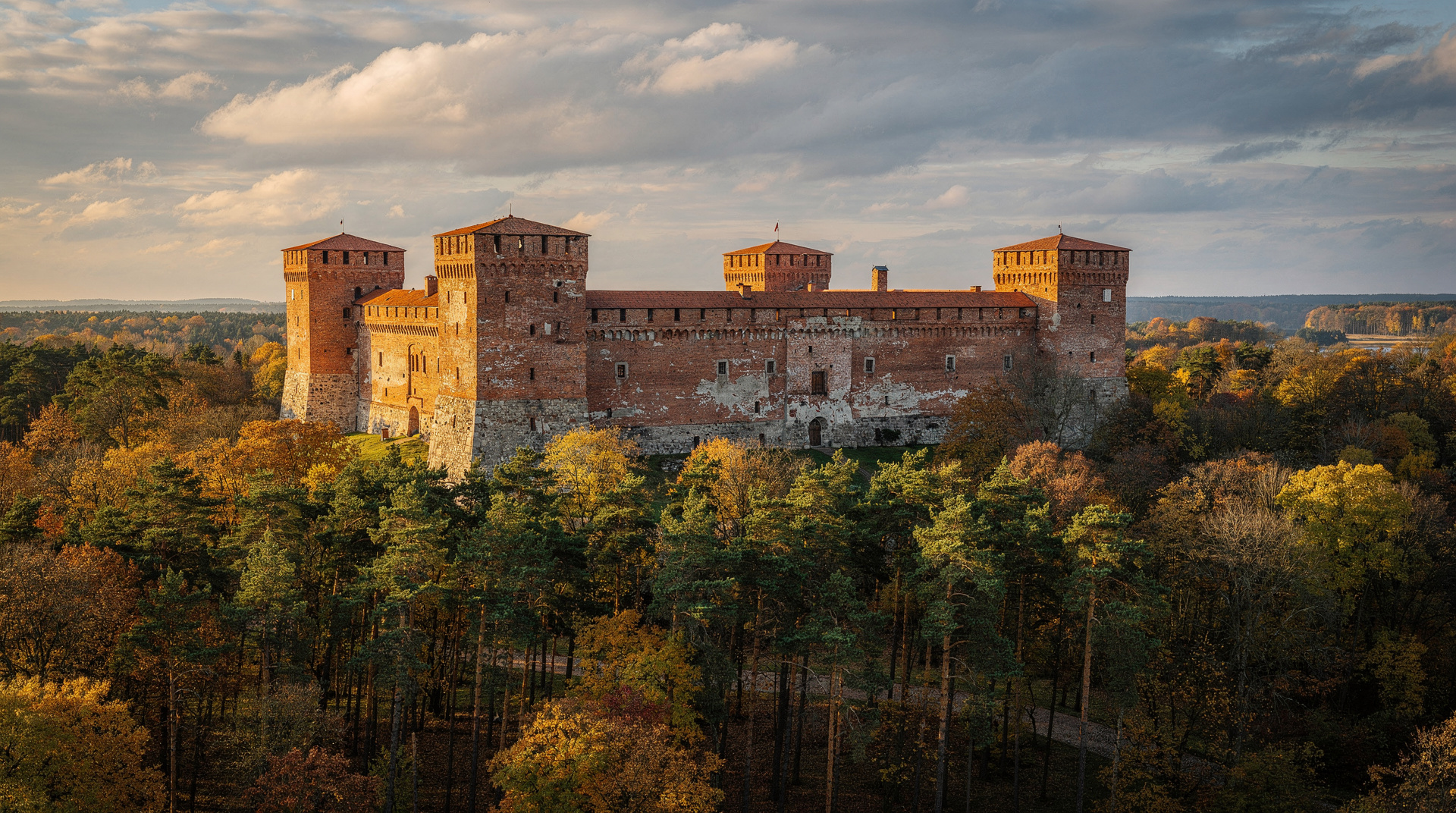
The Sigulda ruins are far less complete than Turaida — only partial walls and one tower survive. Turaida (4 km by valley trail, or 5 min by Bolt) is a fully restored castle complex with multiple towers, a museum, church, and grounds. Both are worth seeing; they represent different phases of the same medieval history.