Best Latvia castle day trips from Riga compared
Which is the best castle day trip from Riga?
For pure castle quality: Cēsis + Turaida (organized tour, ~€95). For grandeur and gardens: Rundāle + Bauska (~€85). For a self-guided day: Sigulda ruins + Turaida by valley trail. All are excellent — the right choice depends on what you prioritize.
Latvia’s castle landscape — what you are choosing between
Latvia has an unusually rich castle heritage for a small country. The medieval competition between the Livonian Order (German crusading knights), the Archbishop of Riga, and various ducal powers produced a landscape dotted with fortifications across most of the country. The most significant concentrations accessible from Riga fall into two geographic clusters:
The Gauja valley (north/northeast of Riga): Sigulda ruins, Turaida Castle, Cēsis Castle — all connected by train and trail, all within 90 km of Riga.
Zemgale plain (south of Riga): Rundāle Palace, Bauska Castle — reachable by organized transport or car, 70–80 km from Riga.
A third option — the Hill of Crosses in Lithuania — is often combined with the Zemgale castle circuit as an extension day trip (3 hours further south).
This guide compares each major castle destination on the criteria that actually matter for planning: what you see, how long you need, how to get there, and what it costs.
Comparison table
| Castle | Distance from Riga | Transport | Entry | Best for | Time needed |
|---|---|---|---|---|---|
| Turaida | 50 km | Train (1h) + trail | €8 | Architecture, atmosphere | 2.5–3.5h |
| Sigulda ruins | 53 km | Train (1h) | €4 | Valley views, hike start | 45 min |
| Cēsis Castle | 90 km | Train (2h) | €8 | History, candle rooms | 2–2.5h |
| Rundāle Palace | 77 km | Organized tour or car | €12 (+€3 photos) | Baroque interior, gardens | 2.5–3.5h |
| Bauska Castle | 66 km | Bus + taxi or tour | €6 (free 1st Sun) | River setting, dual site | 1–1.5h |
Turaida Castle — the most photogenic
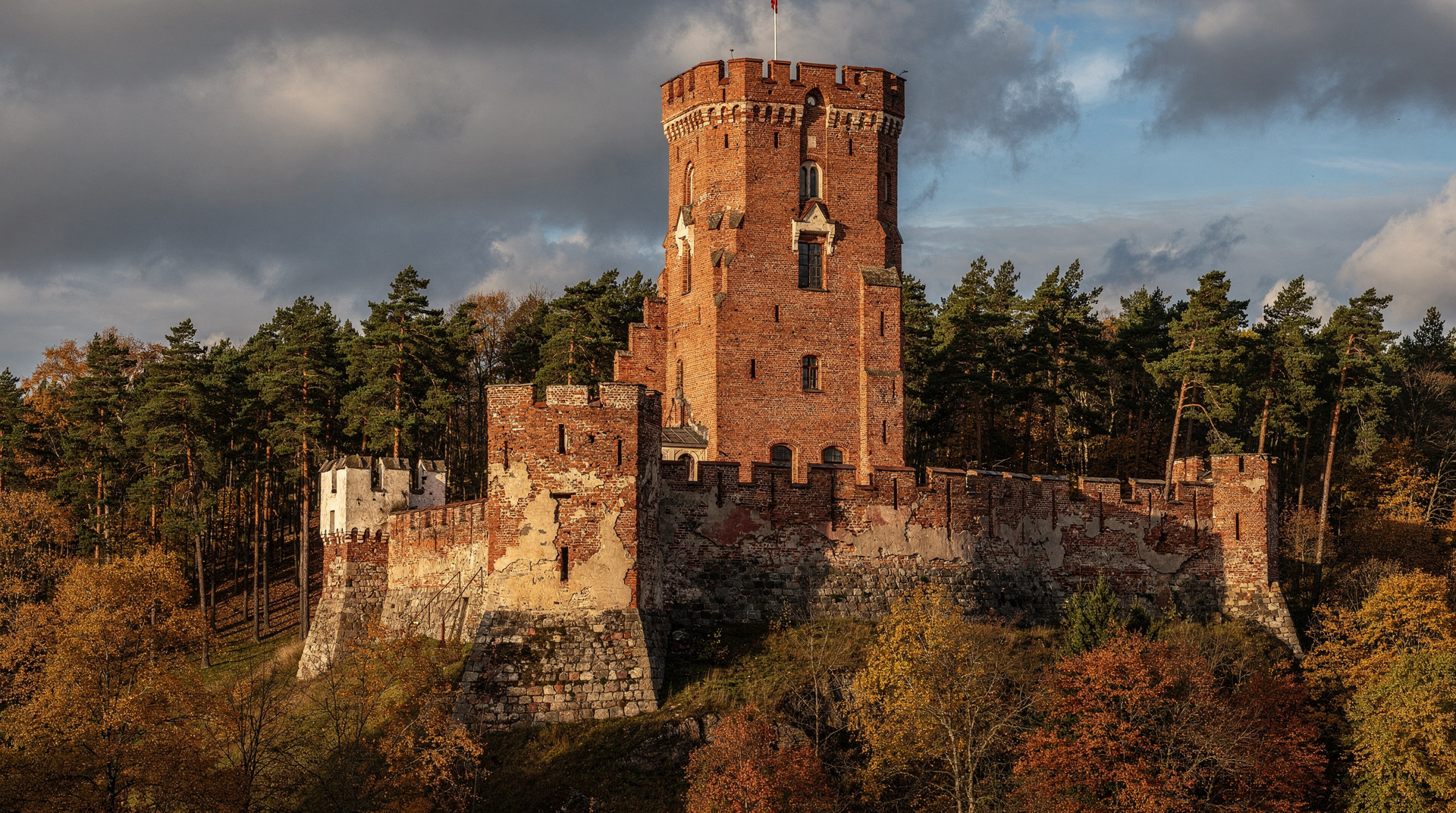
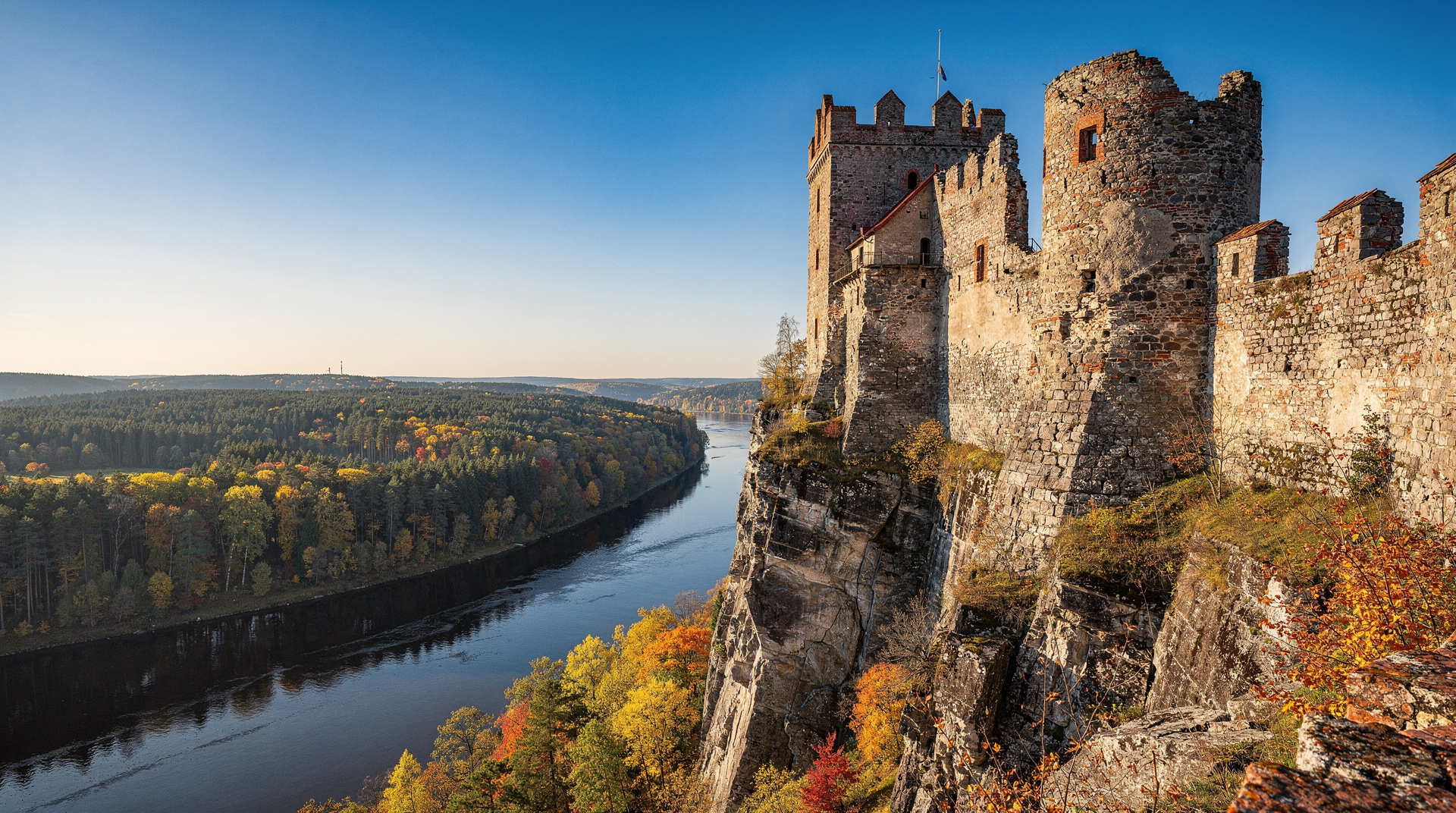
The case for Turaida: The best-preserved castle in Latvia, set dramatically above the Gauja valley with red-brick towers visible across the forest. The climbable main tower, the Latvian folk-song sculpture garden (Dainas Kalns), the 18th-century wooden church, and the Rose of Turaida legend give the site multiple layers of interest. The approach by valley trail through Gūtmanis Cave is one of the finest short walks in the Baltics.
Honest note: It is a museum reserve rather than a raw ruin — the conservation is thorough and the experience is polished. Some castle enthusiasts prefer less restored sites. Entry €8. See the full Turaida Castle visiting guide.
Cēsis Castle — the most historically significant
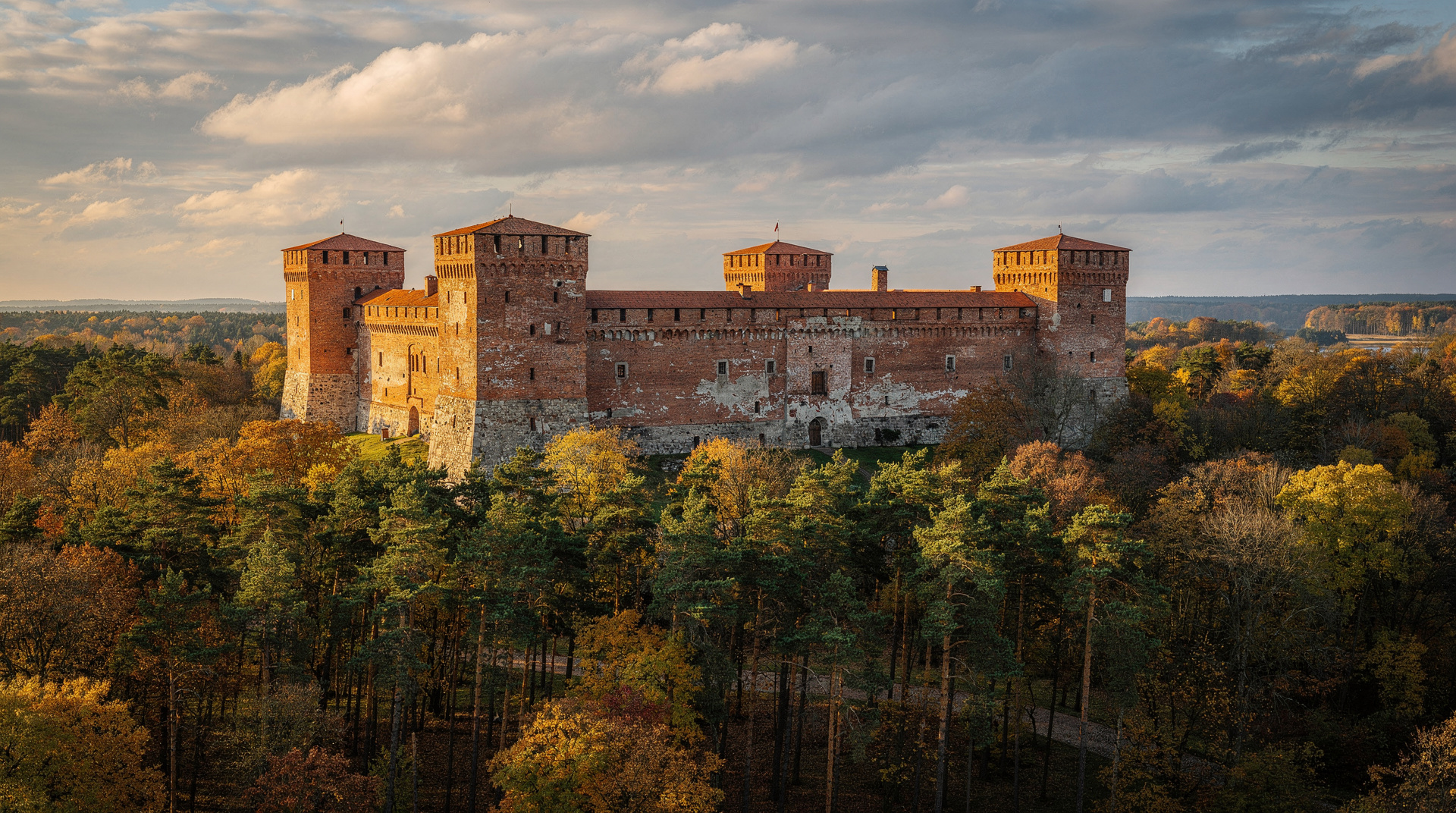
The case for Cēsis: The administrative center of the Livonian Order for 250 years, with the most extensive surviving medieval fortification complex in Latvia. The candle-lantern system for exploring the dark rooms is unique and genuinely memorable. The surrounding medieval town is the best-preserved in Latvia.
Honest note: Two hours from Riga by train makes it the longest independent journey of the options. The ruins themselves, while extensive, require more imagination than Turaida to visualize the original. Entry €8. See the full Cēsis Castle visiting guide.
Rundāle Palace — the most spectacular interior
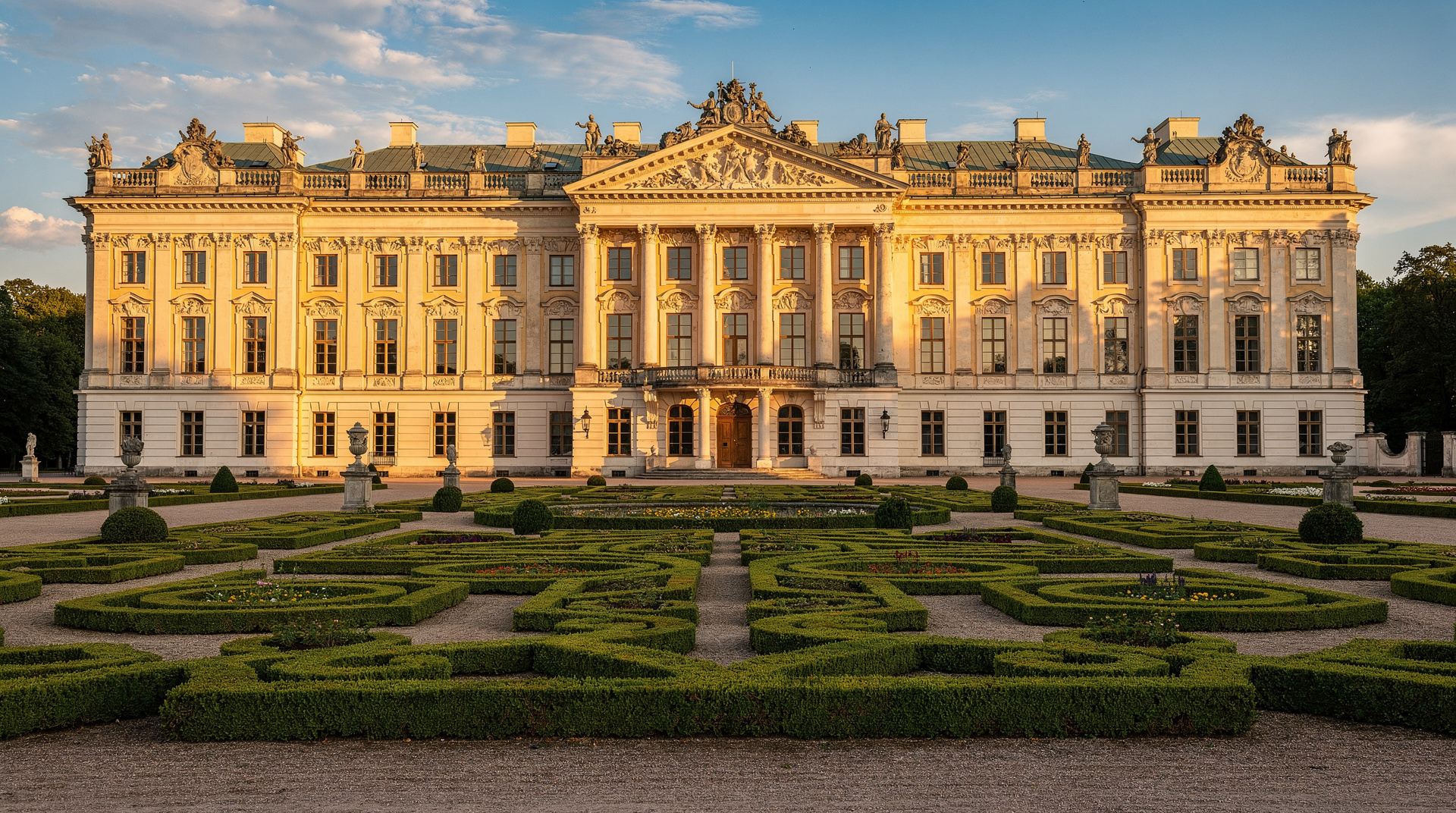
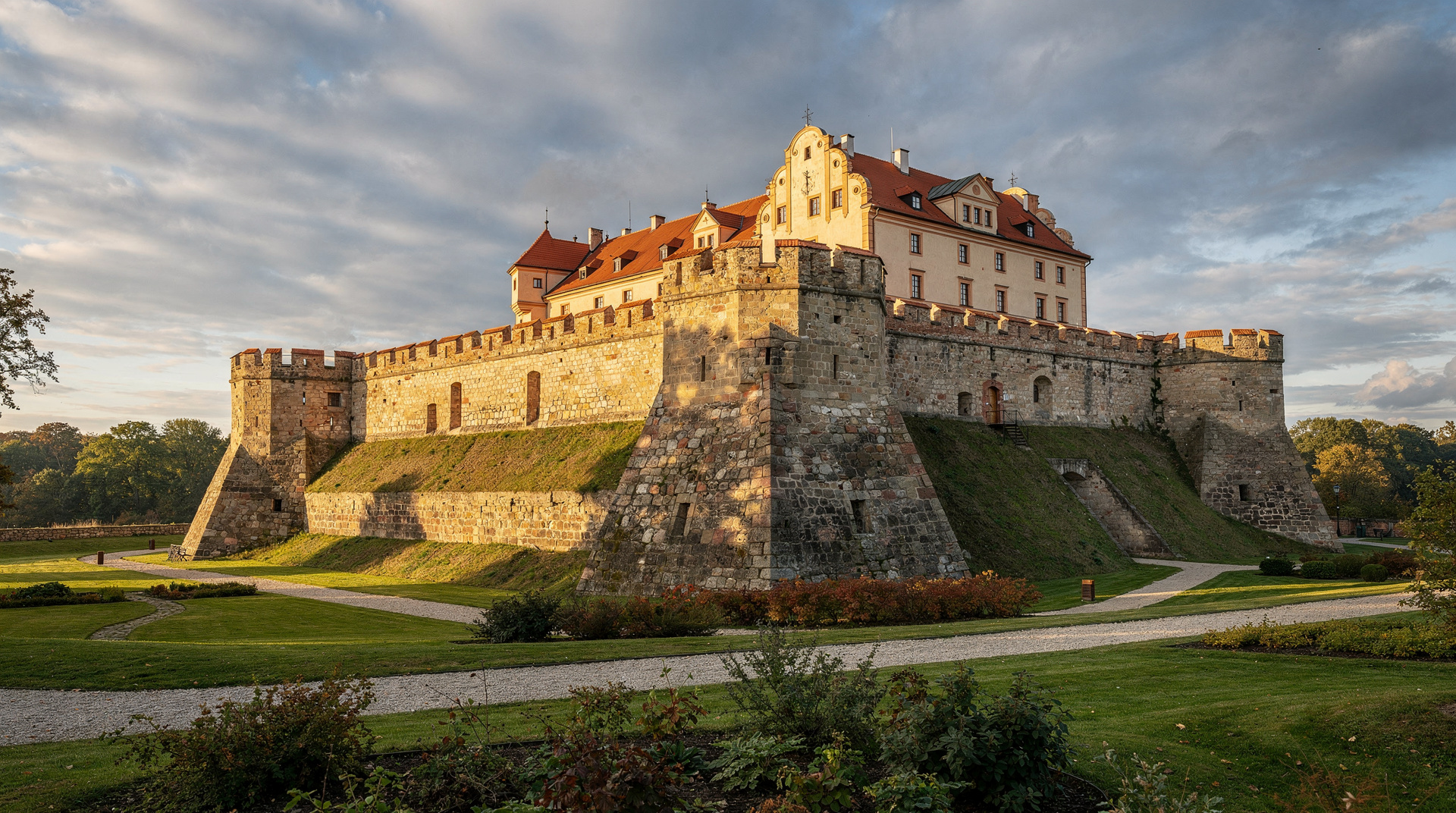
The case for Rundāle: Designed by Rastrelli (Winter Palace, Peterhof), the Gold Room and White Room are among the finest Baroque-Rococo interiors accessible in Northern Europe. The formal French garden with 2,000 rose bushes is extraordinary in June. The isolation — surrounded by Zemgale farmland — adds to the drama of arrival.
Honest note: The photography permit charge (€3 additional on top of €12 entry) is not well communicated and annoys visitors who discover it mid-visit. Buy it with your ticket. There is no convenient public transport — a car or organized tour is required. See the full Rundāle Palace visiting guide.
Bauska Castle — the best combination with Rundāle
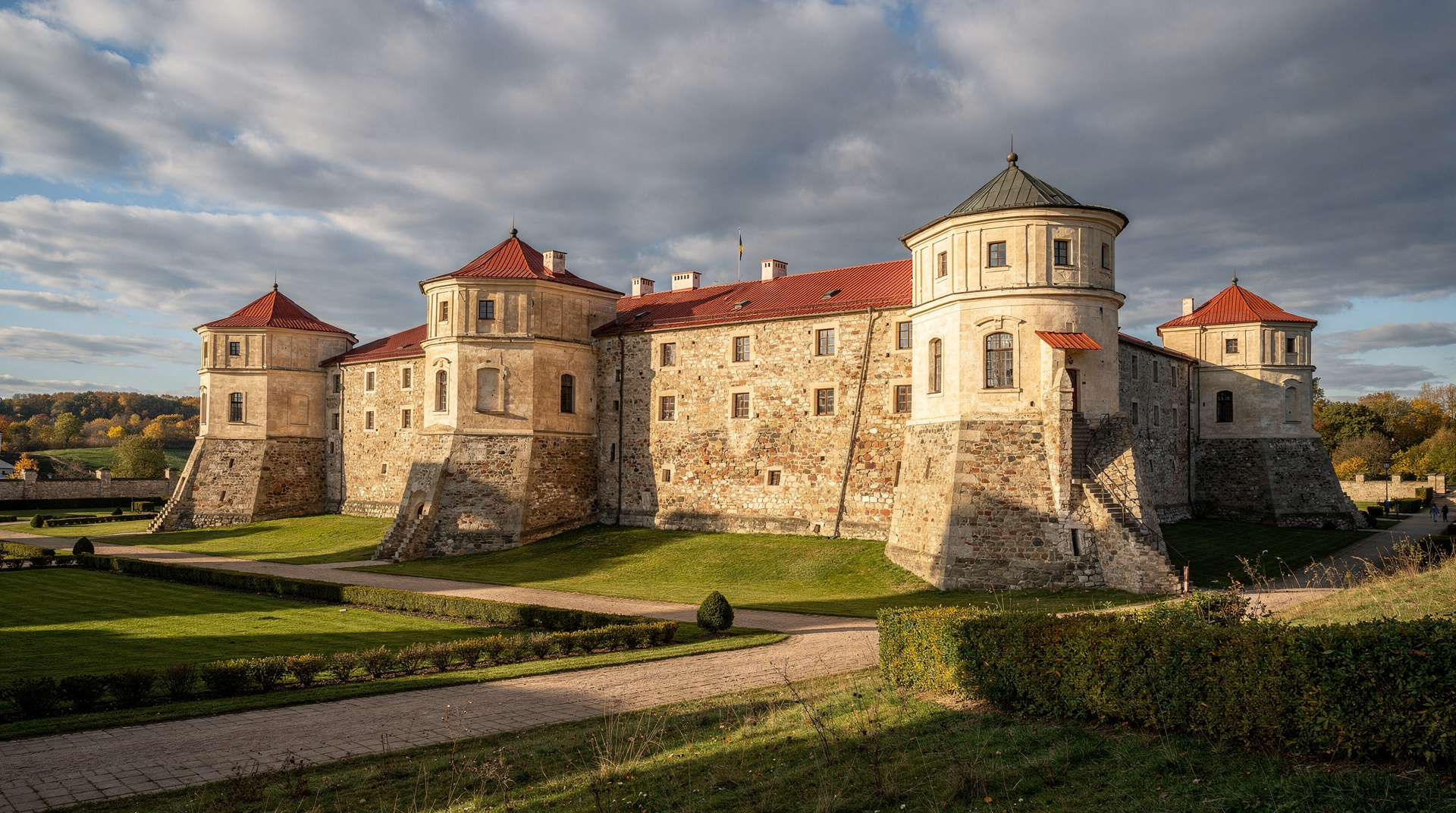
The case for Bauska: Excellent castle at a lower entry point (€6, free first Sundays), with a dramatically positioned site at the confluence of two rivers. The split between ruined original tower and restored ducal palace gives two experiences in one visit.
Honest note: Bauska is nearly always combined with Rundāle (12 km away) and is rarely visited alone — the half-day it takes fits perfectly alongside the 2.5-hour Rundāle visit. On its own, it is a good castle but not a destination that would justify the 66 km round trip from Riga. See the Bauska Castle visiting guide.
Recommended combinations
The Gauja valley day (best for first-time visitors, train-accessible): Riga → train → Sigulda ruins (45 min) → valley trail (2h) → Gūtmanis Cave (30 min) → trail → Turaida Castle (2.5h) → Bolt back to Sigulda → train → Riga.
Total: 8–10 hours, ~€26 including entries and train.
From Riga: Cēsis, Sigulda and Turaida Castle group tour — €95, 10 hoursThe Zemgale day (requires transport or organized tour): Riga → Bauska Castle (1.5h) → Rundāle Palace (2.5–3h) → optional Hill of Crosses (2.5h south) → Riga.
Total: 8–11 hours, €18–21 in entries plus transport.
From Riga: Rundāle Palace and Bauska Castle round-trip tour — €85, 7 hoursThe private castle circuit (maximum flexibility, for castle enthusiasts): A self-drive two-day circuit covering Cēsis, Turaida, Sigulda, Bauska, and Rundāle, with an overnight in Sigulda or Cēsis. This covers Latvia’s complete major castle heritage at your own pace.
Riga: Latvian palace and medieval castle private trip — €235, 8 hoursHonest ranking: if you have time for only one
- Cēsis + Turaida combined tour — deepest historical experience, best castle quality across two sites, includes the finest valley scenery in Latvia
- Rundāle + Bauska combined tour — most spectacular single interior (Rundāle Gold Room), best for garden lovers, most “classic Europe” feel
- Turaida alone (half-day) — if you want one castle in the shortest possible time without the Cēsis distance
The choice between options 1 and 2 depends entirely on your preference: medieval history and natural landscape vs. Baroque palatial grandeur. Both are excellent; neither disappoints. The mistake is treating the options as interchangeable — they are genuinely different experiences of very different things.
Krimulda Castle — the third Gauja castle, usually missed
Krimulda Castle ruins, on the north bank of the Gauja opposite Sigulda, complete the trio of medieval fortifications in the valley. Where Sigulda was the Livonian Order’s castle and Turaida was the Archbishop’s, Krimulda was a secondary Archbishop’s residence — a smaller, less strategically critical site used as a manor and occasional retreat.
Krimulda survives as foundations and partial wall sections rather than upstanding masonry, making it the least impressive visually of the three. Its interest is contextual: the combination of all three sites on a single day gives the clearest picture of the balance of power in medieval Livonia — the constant tension between the military Order and the ecclesiastical Archbishop, both of whom needed fortified strongholds across the valley from each other.
Krimulda is accessible via the cable car from Sigulda (€8 return) plus a 30-minute forest walk. Entry to the ruins is free. The path from the cable car station to Krimulda passes through exceptionally beautiful mixed forest on the valley’s north ridge.
The Hill of Crosses extension — combining Lithuania
Several organized tours combine the Zemgale castle circuit (Rundāle + Bauska) with a stop at the Hill of Crosses (Kryžių kalnas) in Lithuania, 135 km south of Riga. The Hill of Crosses is one of the most remarkable sacred sites in Europe: a hill covered in over 200,000 crosses placed by Lithuanian Catholics, beginning in the 19th century as an act of resistance to Soviet prohibition.
The extension adds approximately 3 hours of driving to the Zemgale day but creates a day trip of exceptional range — Baroque palace architecture, medieval castle, and one of Eastern Europe’s most powerful religious sites in a single circuit. The organized tours that include this combination are consistently rated among the most memorable day trips available from Riga.
From Riga: day trip to Hill of Crosses, Rundāle Palace and Bauska — €95, 10–11 hoursPlanning your castle visits: practical logistics summary
If you have 1 day and want the best single castle: Cēsis + Turaida combined tour is the highest overall quality. Use the organized group tour for efficiency.
If you have 1 day and prefer grandeur to ruins: Rundāle + Bauska. Book the round-trip tour or drive. Arrive at Bauska opening (10:00) for best crowd timing.
If you have 2 days: Day 1 Gauja valley (Sigulda ruins + trail + Turaida); Day 2 Zemgale (Rundāle + Bauska). This covers the full major castle heritage of Latvia accessible from Riga.
If you have 3 days and a car: Day 1 Cēsis (overnight in Cēsis); Day 2 Sigulda/Turaida/Gūtmanis; Day 3 Rundāle/Bauska (+ Hill of Crosses if energy allows). The most comprehensive approach.
Entry costs budget:
| Site | Adult entry |
|---|---|
| Turaida Castle | €8 |
| Cēsis Castle | €8 |
| Sigulda ruins | €4 |
| Rundāle Palace | €12 + €3 photos |
| Bauska Castle | €6 (free 1st Sunday) |
| Total (all sites) | €38–41 |
All five sites in two days costs approximately €38–41 in entry fees plus transport. This is among the best cultural-heritage value propositions accessible from any European capital city.
The honest conclusion: do the castles
Latvia’s castle circuit is consistently underrated by visitors who come primarily for Riga’s nightlife or city culture. The combination of Gauja valley landscape, medieval fortification heritage, and the extraordinary baroque of Rundāle is a genuinely world-class heritage experience that exists at a scale and price point far below the equivalent circuits in Central Europe. The lack of crowds — even in peak summer, Turaida and Cēsis are manageable — makes each site more enjoyable than its more famous European equivalents. Do the castles.
Frequently asked questions
How many castle day trips can you do from Riga in a week?
Realistically two or three distinct castle days: one Gauja valley day (Sigulda ruins + Turaida + Gūtmanis Cave), one Zemgale day (Rundāle + Bauska), and optionally a standalone Cēsis day. Adding the Hill of Crosses in Lithuania adds a fourth longer day trip.Which Latvia castle is most impressive historically?
Cēsis was the seat of the Livonian Order Master for nearly 250 years — the most politically significant castle in the Eastern Baltic. For architectural grandeur, Rundāle Palace (designed by Rastrelli) is unmatched. Turaida has the best-preserved structure and the most dramatic setting.Can you do a Latvia castle tour without a car?
Yes, with careful planning. The Gauja valley castles (Sigulda, Turaida, Cēsis) are all reachable by Pasažieru Vilciens train. The Zemgale castles (Rundāle, Bauska) require organized transport or car — no convenient public bus. Organized day trips cover all destinations.What castle day trip is best for families with children?
Cēsis Castle's candle-lantern experience in the dark rooms is universally praised by families. Turaida has the tower climb and extensive grounds. Rundāle has the formal gardens. Sigulda has the bobsleigh track (summer) which can be combined with the castle visit.Which castle day trip has the best value for money?
The Gauja valley circuit (Sigulda + Turaida + Gūtmanis Cave trail) by train gives the best cost-to-experience ratio: approximately €22–26 for transport and entries, full day, excellent scenery and history. Organized tours add transport convenience at higher cost.