Bauska Castle visiting guide
Is Bauska Castle worth visiting?
Yes — €6 entry (free on the first Sunday of the month) for an unusually complete Livonian Order castle with an excellent viewing tower. Best combined with Rundāle Palace 12 km away. The castle's position at the confluence of the Mūsa and Mēmele rivers is particularly dramatic.
Bauska Castle — the fortress at the river confluence
Bauska Castle sits on a narrow peninsula formed by the confluence of the Mūsa and Mēmele rivers, which join at this point to become the Lielupe — the river that flows westward to the Gulf of Rīga near Jūrmala. The position was chosen with military precision by the Livonian Order in the 15th century: a water-defended promontory controlling the main river crossing on the route between Riga and Lithuania.
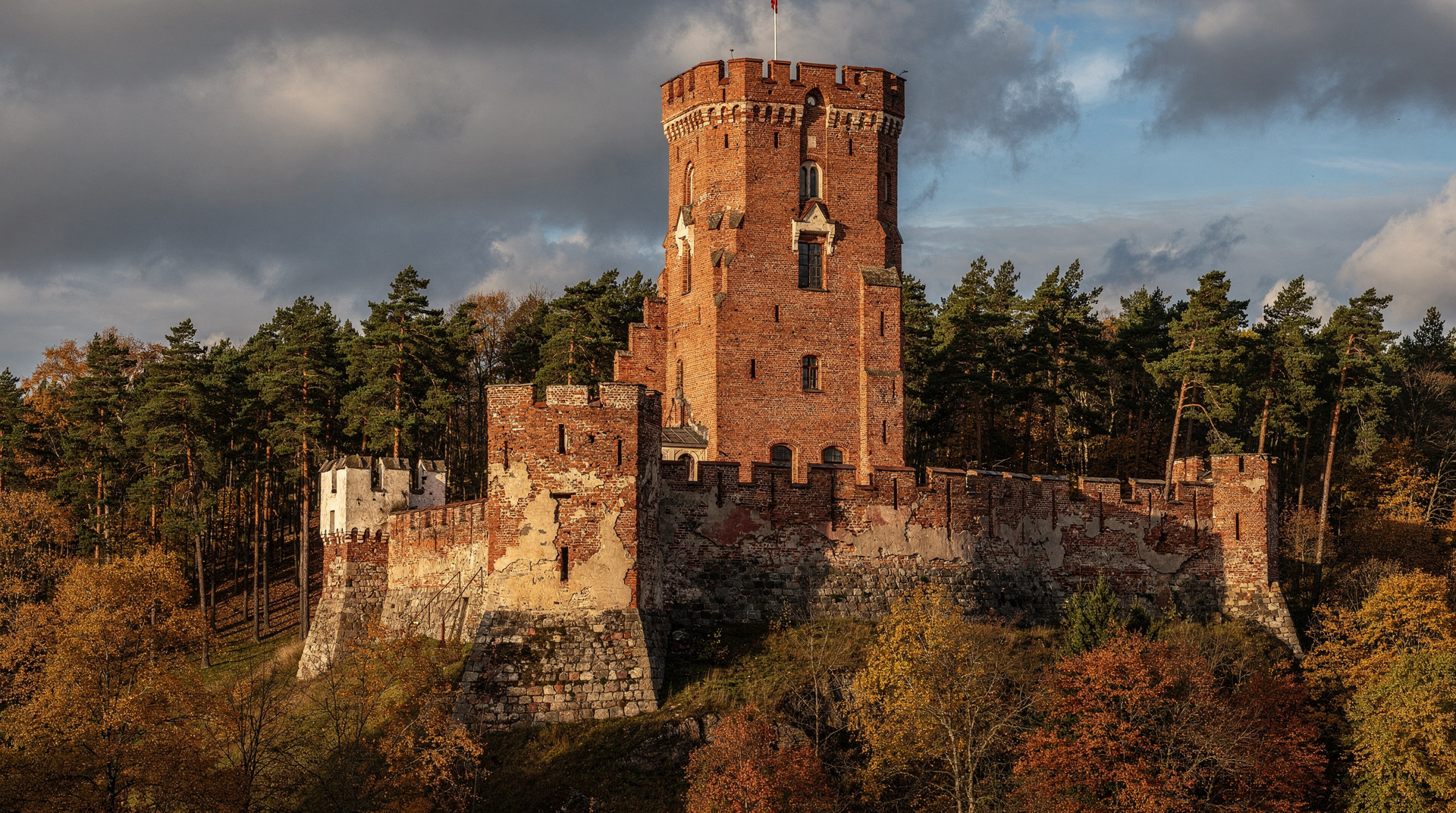
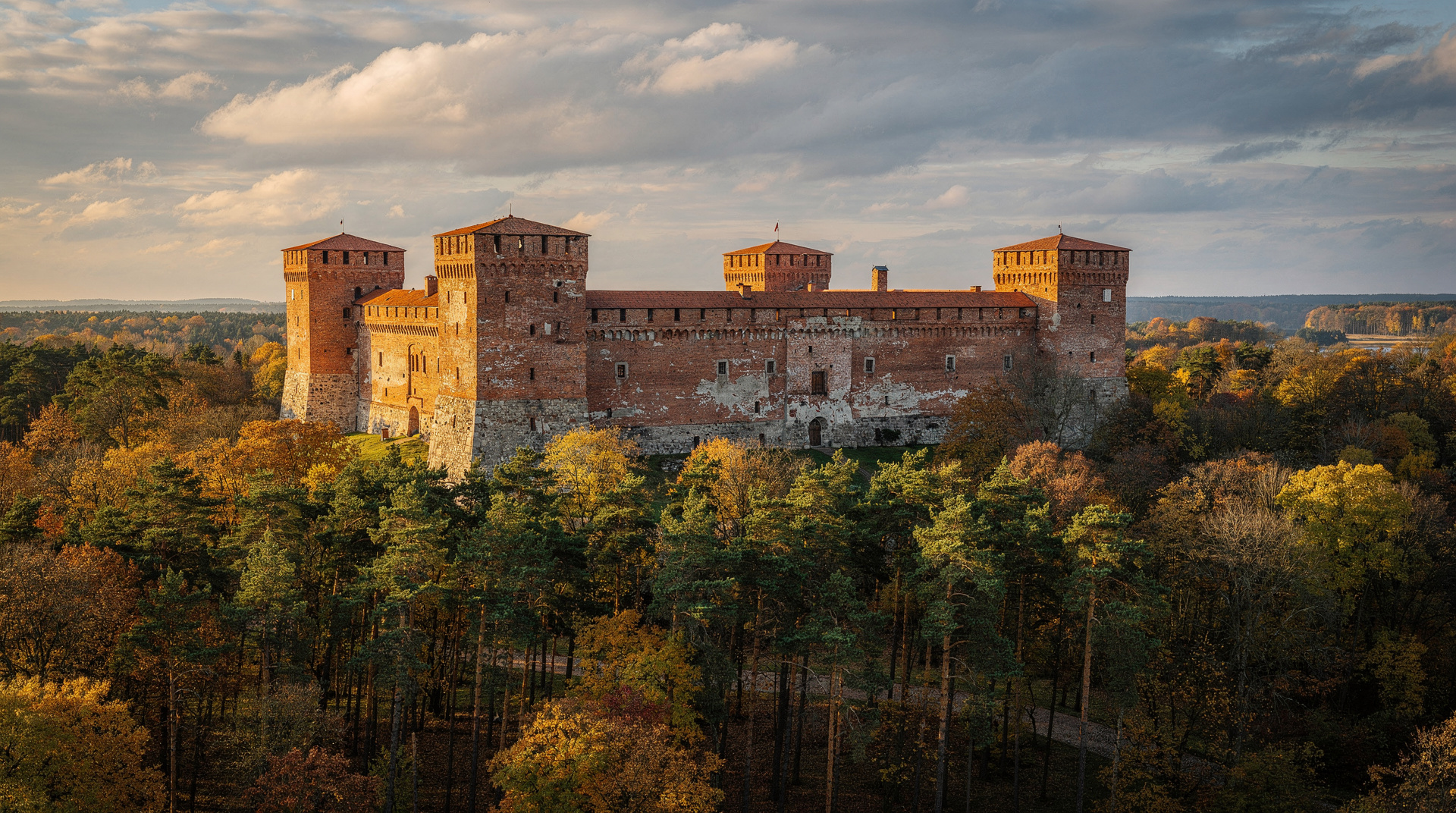
The result is one of the most visually dramatic castle sites in Latvia. Where most Latvian castles are set on ridges above rivers (like Turaida and Cēsis), Bauska is at river level, surrounded by water on three sides, with the restored tower rising directly from the confluence point. Looking up from the river path below, the castle is genuinely imposing in a way that photographs do not fully convey.
Bauska is also one of the most honest heritage sites in Latvia — the split between the ruined towers of the original castle (accessible open-air, atmospheric) and the restored New Palace (full museum, displays, interpretive materials) is well-handled and gives visitors multiple ways to engage with the history.
What you are looking at: two castles in one
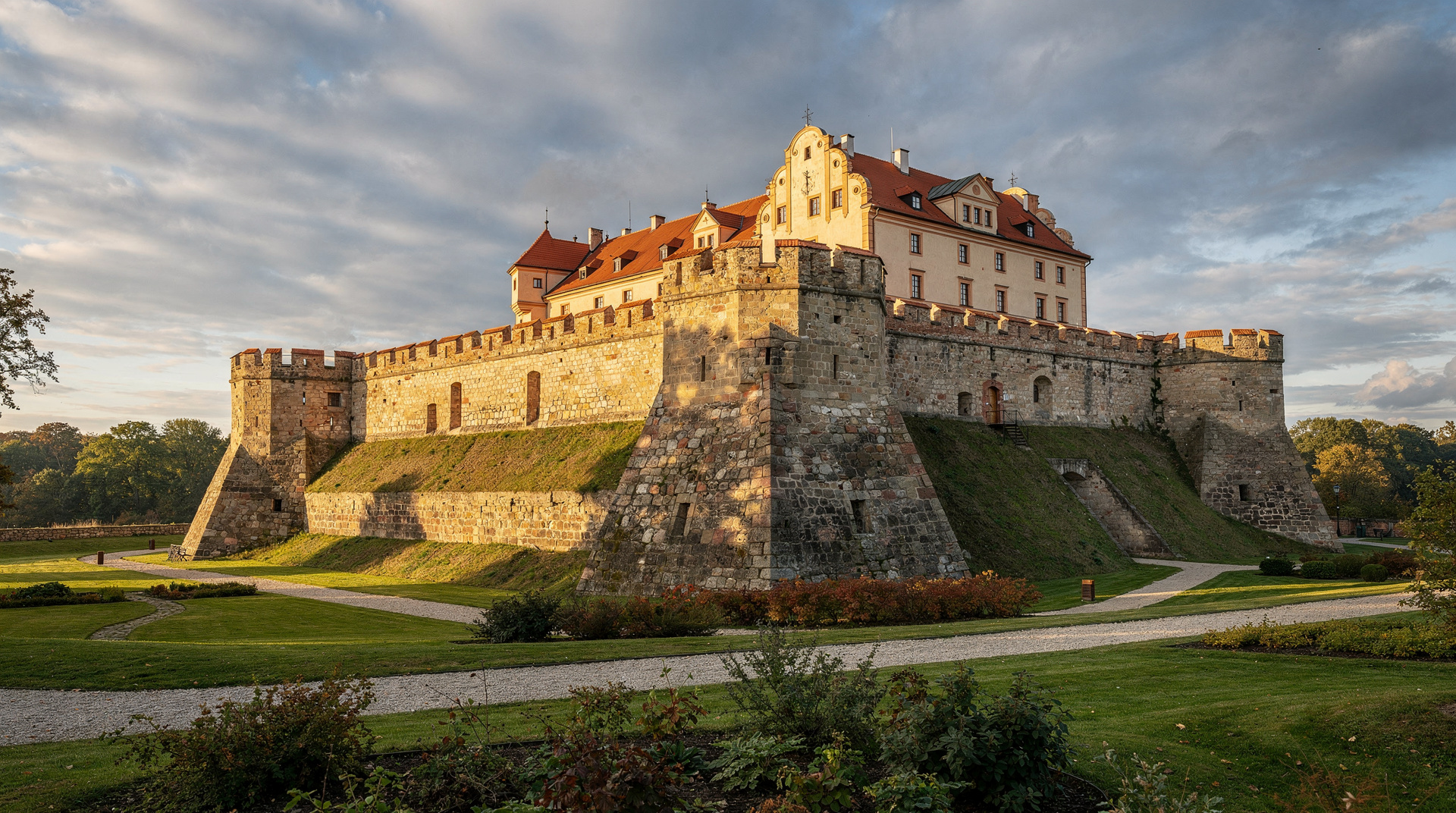
The original castle (1443–1456): Built by the Livonian Order as a commandery controlling the south Latvian river crossing. The original castle was a quadrilateral fortress with four towers; today two towers survive in ruined form. The ruins are accessible via wooden walkways and the main tower has a staircase to the top — the viewing platform is the principal reason to climb.
The Ducal New Palace (1580s–1620s): After the Livonian Order dissolved in 1561, the castle passed to the Duchy of Courland. The dukes constructed a new residential palace alongside the original fortifications — a Renaissance structure that was repeatedly modified over the 17th century. The New Palace was partly destroyed by Swedish forces in 1706 and fell into disuse. The restoration undertaken between 1976 and the present has reconstructed the most important rooms.
The museum in the New Palace covers the history of both the Livonian Order period and the Duchy of Courland, with authentic and replica artifacts, maps of the medieval Baltic military landscape, and a room dedicated to the Kettler ducal family that ruled Courland for 160 years.
The free Sunday policy — an underreported value
Entry to Bauska Castle is €6 adults (€3 students, €2 children under 18). Unusually for a Latvian heritage site, the first Sunday of each month is free for all visitors. This policy applies to both the castle museum and the grounds.
If you are planning a Bauska–Rundāle day trip, aligning it with the first Sunday of the month saves €6–12 per person depending on group composition. Combined with a weekday visit to Rundāle (where the separate photography charge is the main cost), a first-Sunday Bauska visit is the most economical approach to the Zemgale castle circuit.
The confluence walk — the best thing about Bauska
The riverside path below the castle, following the confluence of the Mūsa and Mēmele rivers around the castle peninsula, is the most atmospheric part of the entire site and costs nothing. Entering from the river-level path rather than the main carpark entrance gives a very different impression of the castle’s defensive logic — from below, the walls and towers are genuinely dramatic.
The confluence itself is visible from the tower (the two rivers meet in a V-shape directly below the castle walls) and from the riverside path at the southern tip of the peninsula. In spring and after rain, the rivers run strongly enough to see the distinct color difference between the two streams as they merge.
Combining Bauska with Rundāle
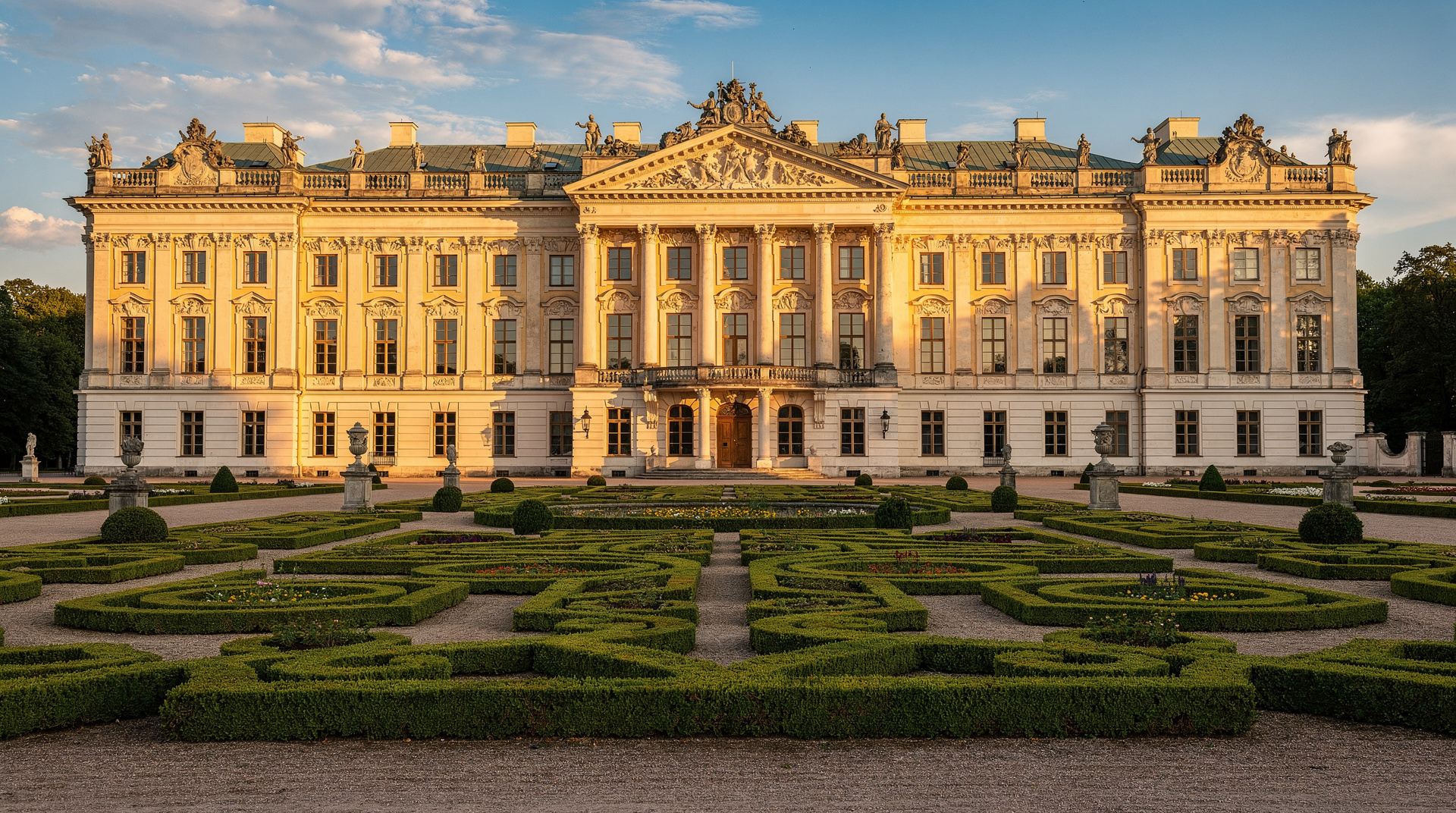
Bauska and Rundāle (12 km apart) are always visited together, and correctly so — they represent two phases of the same historical story. Bauska is the Livonian Order / Ducal Courland fortress; Rundāle is the 18th-century Baroque palace built by the same ducal dynasty. Visiting both in sequence gives the full arc of Zemgale’s history from the medieval military period to the Baroque aristocratic apex.
The practical logistics: arrive at Bauska at opening (10:00 if possible), spend 1–1.5 hours, drive or taxi the 12 km to Rundāle, spend 2.5–3 hours including the garden, and return to Riga by 17:00–18:00. This is a comfortable one-day circuit.
By organized tour:
From Riga: Rundāle Palace and Bauska Castle round-trip tour — €85, 7 hours From Riga: Bauska, Rundāle and Jelgava private full-day trip — €285 private, 9 hoursThe organized tours handle all transport logistics and include guides who provide context for both sites. For visitors without a rental car, the organized tour is the only practical option (see the getting to Rundāle section for the bus-plus-taxi alternative that technically works but is time-consuming).
Bauska town — worth 30 minutes
Bauska town center is 500 m from the castle entrance and worth a brief visit before or after the castle. The Old Town area around Rātslaukums (Market Square) has a cluster of 18th-century buildings, a market on Saturday mornings, and several cafés that are significantly less expensive than Old Town Riga equivalents. Coffee €2, cake €2–3, lunch main €7–10.
The Bauska Regional Museum in the town center (free entry) covers the area’s history from prehistory to the present and is useful context if the castle museum does not fully satisfy on historical depth.
Practical information
Opening hours: May–September: daily 09:00–19:00 (last entry 18:00). October–April: daily 10:00–17:00 (last entry 16:00).
Entry: Adults €6, students €3, children (7–18) €2. Under 7 free. Free first Sunday of each month.
Duration: Allow 1–1.5 hours for a thorough visit including the tower climb and museum.
On-site: A small café near the entrance. Toilets in the main courtyard building. Shop with reproduction prints and local books.
See also: Rundāle Palace visiting guide for the companion site and best Latvia castle day trips compared for how Bauska fits into the overall castle circuit.
Bauska’s history — the Livonian Order to Ducal Courland
Understanding Bauska Castle requires understanding two distinct historical periods that are physically present at the same site.
The Livonian Order period (1443–1561): The Order built Bauska as a commandery — an administrative and military unit — controlling the river crossing and the road south toward Lithuania. The site chosen was a classic military peninsula, surrounded by water on three sides, with the main landward gate controlling the only dry approach. The castle was built in the characteristic Livonian Order style: a quadrilateral fortress with corner towers, a central courtyard, and residential quarters for the knight garrison and their staff. At its peak, the commandery housed approximately 100–150 people including knights, retainers, and servants.
The Duchy of Courland (1561–1795): When the Livonian Order dissolved under Russian and Polish-Lithuanian pressure in 1561, the territories became the Duchy of Courland and Semigallia, ruled by the Kettler family. The Kettler dukes recognized that the original 15th-century fortress was too austere for a 16th-century ducal court, and commissioned the Renaissance New Palace alongside the original fortifications in the 1580s–1620s. This is the building that survives most completely and houses the museum today.
The Duchy of Courland was one of the most unusual political entities in early modern Europe: a small Protestant duchy caught between three major powers (Poland-Lithuania, Sweden, and Russia) that survived as an independent entity for 234 years through skillful diplomacy, strategic marriages, and — unusually for its size — genuine overseas colonial ambitions. Courland briefly held colonies on Tobago (1654–1658 and 1660–1684) and in Gambia (Fort James, 1651–1661). This global reach from a small river duchy is documented in the Bauska museum.
The New Castle museum — what to look for
The museum in the New Castle is better curated than its location (a provincial Latvian town) might suggest. Highlights to seek out:
The Courland ducal gallery: Portraits of the Kettler dynasty, beginning with Gotthard Kettler (the first duke, 1561–1587) through the 18th-century rulers. The portraits were commissioned in the 17th century and represent the ducal court’s attempts to project legitimacy and sophistication equivalent to larger European courts.
The Courland colonial section: Documentation of the Tobago and Gambia colonies — maps, trade records, and the story of how a population of approximately 200,000 people managed to establish and maintain overseas territories for decades. The colonial project ultimately failed when Courland’s larger neighbors refused to support it, but the ambition is extraordinary.
The archaeological section: Objects excavated from the castle site during the restoration work — original artifacts from the Livonian Order period including ceramic fragments, metalwork, and coins. These give the abstract history a material reality.
Medieval weaponry: A selection of period weapons associated with the Livonian Order garrison, including examples of the distinctive Baltic medieval sword and shield combination and the crossbow equipment standard to late-medieval fortress garrisons.
The surrounding landscape — Zemgale plain
Bauska sits in the heart of Zemgale — the southern Latvian plain that stretches south to the Lithuanian border. Zemgale is Latvia’s agricultural heartland: flat, fertile, and genuinely vast. The view from the Bauska Castle tower is primarily agricultural — field and sky to the horizon in most directions, broken only by the tree lines along the river courses.
This landscape was the economic basis for both the Livonian Order commandery (the fertile plain provided agricultural surplus to fund the castle garrison) and the Ducal Courland court at Rundāle (the ducal estates stretched across these same fields). The castle and palace make most sense when you understand the agrarian economy that supported them.
Driving between Bauska and Rundāle (12 km through Zemgale farmland) gives a visceral sense of this landscape — the flat, wide, productive plain, the scattered farmsteads, the linden-lined manor roads that once connected the Ducal estates. It is not a dramatic landscape but it is specifically, historically resonant for visitors who have engaged with the Bauska and Rundāle story.
Local food in Bauska — where to eat
Bauska town has several cafés and restaurants that are significantly less expensive than Riga equivalents and provide the most authentic Latvian comfort food experience available on the Zemgale day trip circuit:
Rātsmāja restaurant (on Rātslaukums, the main square): Traditional Latvian menu — grey peas with smoked pork, potato pancakes, rye bread. Mains €7–12. The lunch menu on weekdays is excellent value.
Café Roze (Pilsētas parks): Smaller, more café-style, good coffee and pastries, outdoor seating in the park in summer. The cake selection is worth knowing about.
Market stalls (Saturday mornings): The Bauska weekly market near the castle entrance sells local produce — smoked fish from the Lielupe river, honey, rye bread from local bakeries, pickled vegetables. Visiting on a Saturday adds a living commercial dimension to the historical site visit.
Frequently asked questions
Is Bauska Castle free to enter?
Entry costs €6 for adults (€3 students, €2 children). Free entry for all visitors on the first Sunday of each month. The free Sunday policy is not widely advertised — if you can plan your visit for a first Sunday, the saving is meaningful for families.How far is Bauska from Riga?
66 km south of Riga. By car: approximately 1 hour on the A7 motorway through Jelgava. By bus: buses from Riga's international bus terminal to Bauska run hourly, taking about 1 hour 15 minutes, €4–6. Bauska is easily walkable from the bus terminal.What is the difference between the ruined castle and the New Palace at Bauska?
Bauska Castle is actually two structures in one site: the ruined towers of the original 15th-century Livonian Order castle (partially open-air), and the adjacent New Palace built in the 1580s–1620s, which is the restored section housing the museum. Both are included in the €6 entry ticket.Can I see Bauska and Rundāle in one day?
Yes, easily. Bauska Castle takes 1–1.5 hours; Rundāle Palace takes 2–3 hours. The two sites are 12 km apart (15 min by car). Most organized tours combine both in a single day with time for lunch in Bauska town.What is the view from the Bauska Castle tower?
The tower lookout gives a panoramic view over the confluence of the Mūsa and Mēmele rivers, the Bauska town center, and the surrounding Zemgale farmland. The confluence viewpoint is genuinely dramatic — the two rivers join almost directly below the castle walls.